


Published Feb 23, 2026 | 7:00 AM ⚊ Updated Feb 23, 2026 | 7:00 AM

Ultra Processed Foods.
Synopsis: New research tracking over 1,50,000 households in the US found that when people start taking GLP-1 drugs such as Ozempic and Wegovy, grocery spending falls by over 5 percent within six months and fast-food purchases drop by 8 percent. Spending declines were strongest for savoury snacks, sweets and some staples, and the pattern lasted while people stayed on the medication but reversed after many stopped.
As GLP-1 drugs arrive in India, US research tracking 1,50,000 households shows how appetite-suppressing medications change what people buy within months of starting treatment.
When Americans start taking GLP-1 drugs like Ozempic and Wegovy, grocery spending falls by over 5 percent within six months, and fast-food purchases drop further, by 8 percent.
The findings are immediately relevant to India. GLP-1 drugs launched here in December 2025, with generics arriving in 2026. As 101 million Indians with diabetes and 136 million with prediabetes become potential users, it matters for patients, doctors and the food industry to understand how these medications change purchasing behaviour.
The study, published in the Journal of Marketing Research, is the first to connect what people say they take with what they actually buy.
Sylvia Hristakeva and Jura Liaukonyte from Cornell University’s Dyson School of Applied Economics and Management paired survey responses on medication use with transaction data from Numerator, a firm that tracks purchases for 150,000 households nationwide.
“The data show clear changes in food spending following adoption,” Hristakeva said in a statement. “After discontinuation, the effects become smaller and harder to distinguish from pre-adoption spending patterns.”
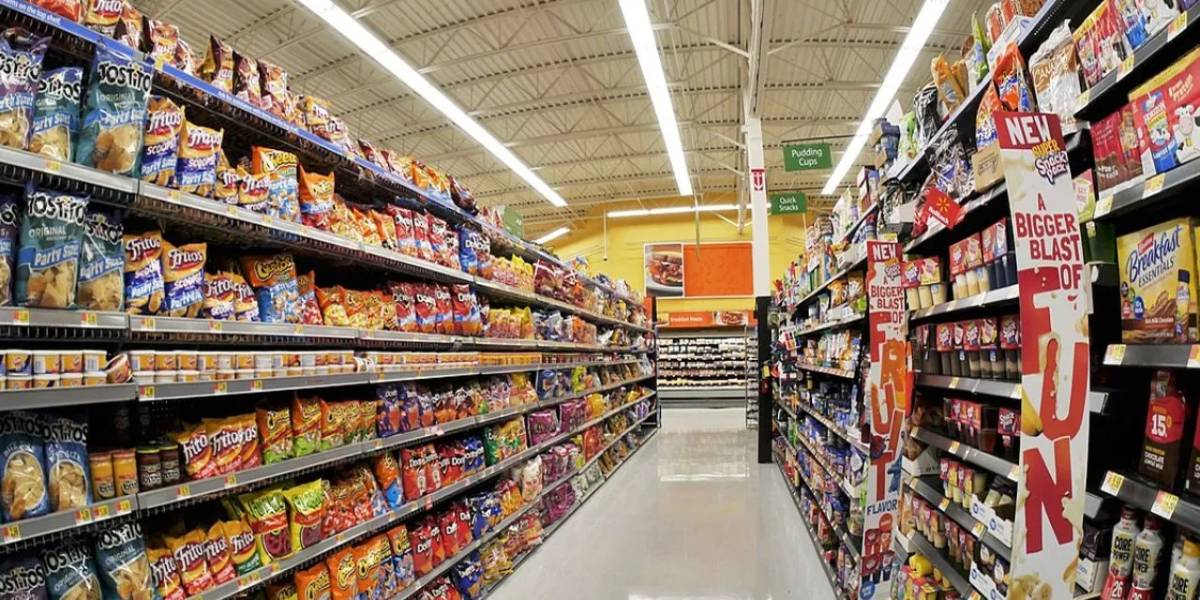
Spending on ultra-processed, calorie-dense foods fell by 10 percent for savoury snacks, with similar drops in sweets, baked goods and biscuits. Even staples declined: bread, meat and eggs all saw lower purchase volumes.
Only a few categories rose. Yoghurt spending increased the most, followed by fresh fruit, nutrition bars and meat snacks. But these gains were modest against the overall decline across most food categories.
Higher-income households cut more. While average grocery spending fell by 5.3 percent, wealthier families reduced spending by more than 8 percent within the same six-month window.
Fast-food chains, coffee shops and other limited-service restaurants saw an 8 percent drop in spending from households using the medications. The pattern lasted at least a year among people who stayed on the drugs, but the size of the reduction shrank over time.
GLP-1 use grew quickly during the study period. The share of households reporting at least one user rose from 11 percent in late 2023 to over 16 percent by mid-2024. Weight-loss users were younger and wealthier, while diabetes patients using the same medications were older and spread more evenly across income brackets.
About one-third of users stopped taking the drugs during the study window. When they stopped, grocery spending returned to pre-medication levels. Their baskets shifted slightly towards less healthy items than before they started, partly because candy and chocolate purchases increased.
This reversal shows a limit the researchers noted. The study cannot fully separate biological effects from other lifestyle changes users may adopt alongside medication. But evidence from clinical trials, combined with spending patterns that return to baseline after discontinuation, shows appetite suppression drives much of the change.
The findings matter beyond individual budgets. If GLP-1 adoption keeps rising at current rates, food manufacturers, restaurants and retailers will face long-term demand shifts, especially in snack foods and fast-food segments.
Companies may need to change pack sizes, reformulate products and rethink marketing. The medications suppress appetite through biological mechanisms. That may explain why medically driven changes succeed where policy tools such as food taxes and nutrition labels have struggled to shift consumption.
“At current adoption rates, even relatively modest changes at the household level can have meaningful aggregate effects,” Hristakeva said. “Understanding these demand shifts is therefore important for assessing food markets and consumer spending.”
The American data offers a preview for India’s emerging GLP-1 market: medications that change biology also change markets. Whether Indian households follow the same pattern will depend on diet, income levels and retail structures.


