

Published Mar 22, 2026 | 8:18 AM ⚊ Updated Mar 22, 2026 | 8:18 AM

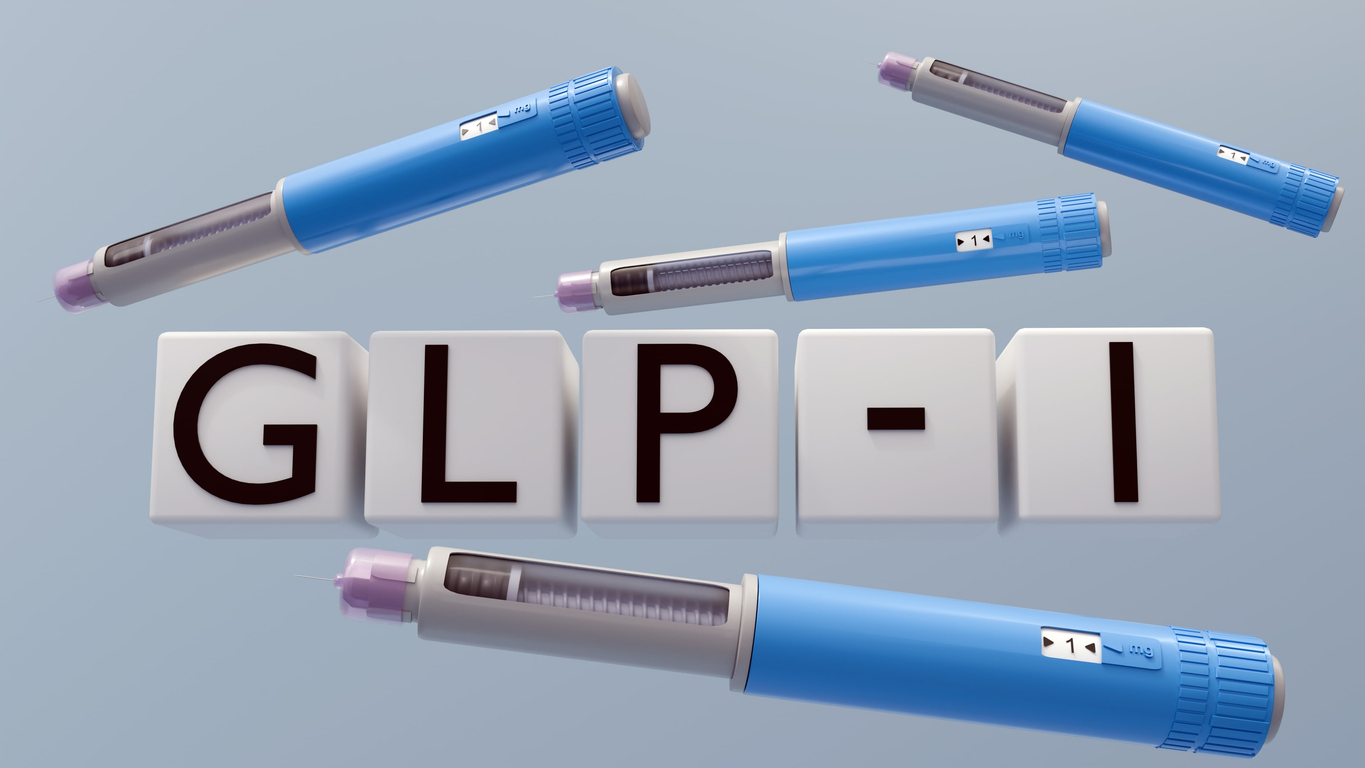
GLP-1 therapy is often long-term. If someone stops the medication, lifestyle changes must continue.
Synopsis: GLP-1 drugs can support weight loss and diabetes control, but they cannot replace diet, exercise, and healthy habits. Lifestyle changes remain essential for safe, sustained weight management. GLP-1 drugs help people lose weight and manage diabetes. But doctors stress that it is not a replacement for diet, exercise, and other lifestyle changes.
Glucagon-like peptide-1 (GLP-1) drugs are not an alternative to lifestyle and dietary habits, doctors said.
“If there is a perception that these medicines replace discipline, it is completely wrong. Lifestyle modification is still at the centre of obesity and diabetes management,” Dr Vidya Tickoo, Endocrinologist and Diabetologist at Yashoda Hospitals, Hyderabad, said.
While GLP-1 drugs can be highly effective, they are intended for those who have tried—and struggled with—traditional lifestyle changes.
“Obesity is a complex chronic disease,” Dr Tickoo added. “Some people eat a lot but remain thin, while others eat less and still struggle with weight. Medicines are now available to support patients, but they do not replace healthy habits,” she told South First.
GLP-1 drugs help people feel full sooner and regulate blood sugar, but poor eating can worsen side effects like nausea or bloating.
“Overeating can trigger vomiting or nausea,” Dr Tickoo explained. “Eating small, balanced meals helps, and sometimes short-term medicine can ease symptoms.”
Good habits matter even when appetite is low. Speaking to South First, Dr Sarika N Holla, Consultant General Physician at Kinder Hospitals, Bengaluru, said, “Avoid junk food, sugary drinks, and excess fats. Include protein, fibre, and essential nutrients to fuel your body and get the most from GLP-1 therapy.”
Exercise also helps. Strength training, cardio, and flexibility exercises preserve muscle mass, especially during rapid weight loss.
“About 70–75% of weight lost with GLP-1 is fat, but without enough protein and exercise, you can lose muscle too,” Dr Tickoo said. She recommended starting 1–1.2 grams of protein per kilogram of body weight from day one.
GLP-1 therapy is often long-term. “If someone stops the medication, lifestyle changes must continue,” Dr Tickoo cautioned. “Hunger will return, so regular exercise and a protein-rich diet are key to keeping the weight off.”
These drugs aren’t for everyone. Dr Holla said, “GLP-1 is usually for people with a BMI over 30, or over 27 if they also have diabetes, high blood pressure, or sleep apnea. Regular follow-ups are important to monitor health and prevent complications.”
In the end, GLP-1 is a tool, not a shortcut. “These medicines help reduce risks of heart, liver, and kidney problems, and support diabetes management—but healthy eating and exercise remain the foundation,” Dr Tickoo added.
(Edited by Majnu Babu).


