

Published Apr 14, 2026 | 7:00 AM ⚊ Updated Apr 14, 2026 | 7:00 AM

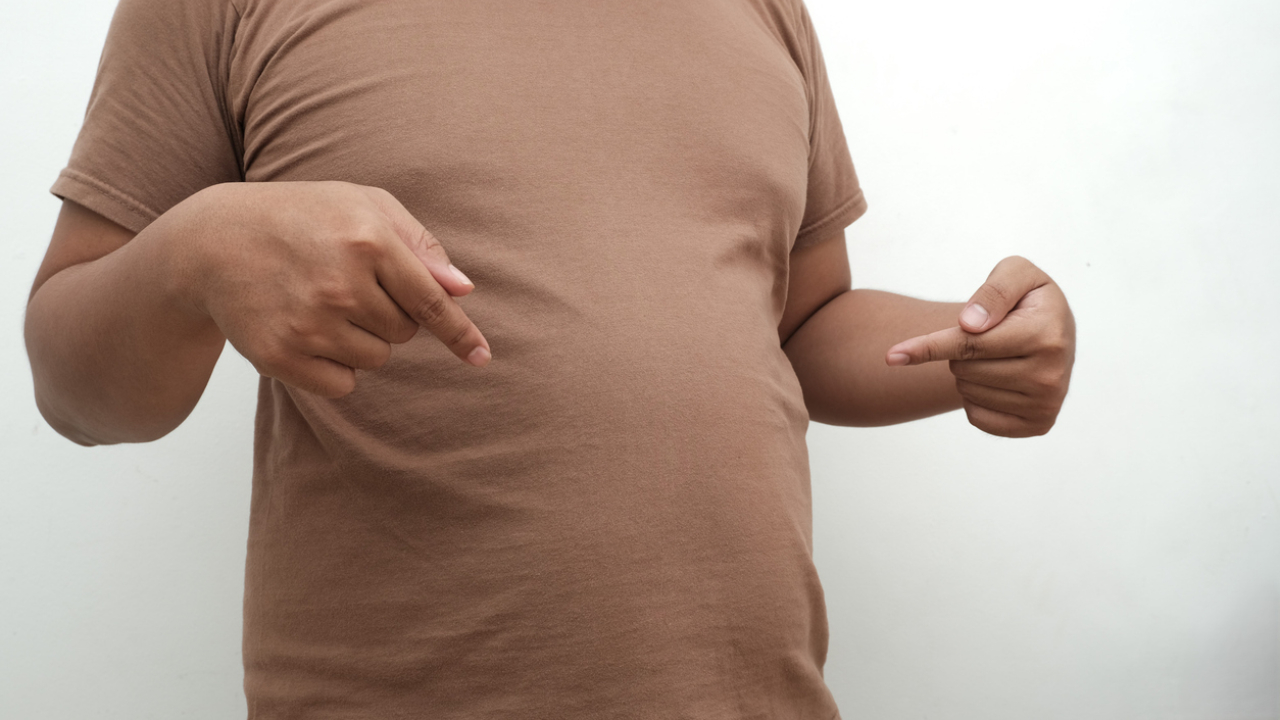
Representational image. Credit: iStock

Synopsis: Visceral fat is the hidden fat stored deep around organs, acting like an endocrine organ that triggers inflammation, insulin resistance, and vascular damage. While small amounts cushion organs, excess levels raise risks of heart disease and stroke. Diet, stress, sleep, and hormones drive its buildup. Consistent exercise, balanced nutrition, and stress management are key to reducing it over time.
You may not see it, but it could be building inside your body right now.
Visceral fat—the fat stored deep around your organs—is increasingly being flagged by doctors as a major hidden risk. Unlike the fat you can pinch, this one works silently, affecting your metabolism and raising your risk of serious conditions like heart disease and stroke.
Not all fat is the same. The kind you can pinch under your skin behaves very differently from the fat stored deep inside your abdomen.
“There are two types of fat one is subcutaneous and another one deep beneath the abdominal muscles, this is called visceral fat,” says Dr. Ravikiran Muthuswamy, Senior Consultant, Endocrinology, SMIS Hospital, Chennai.
It wraps around internal organs, and if in excess, creates an inflammatory state, he explained to South First.
That inflammation is where the real risk begins.
“This fat is more like an endocrine organ,” told Dr. P. Balasubramanian, Senior Consultant, Cardiothoracic and Vascular Surgeon, SRM Prime Hospitals, Chennai, to South First.
“It produces pro-inflammatory markers,increasing insulin resistance and accelerating atherosclerosis.”
In effect, this hidden fat interferes with metabolism, damages blood vessels, and raises the risk of heart disease and stroke—often without obvious signs.
It might sound ideal to get rid of this fat completely—but the body doesn’t work that way.
“A small amount of visceral fat is normal, it is for cushioning internal organs,” says Dr. Balasubramanian. He adds that “less than 10% of body fat as visceral fat is physiological.”
That means some visceral fat is actually necessary. It supports and protects vital organs inside the abdomen.
The issue isn’t its presence—it’s the excess. Once levels rise beyond what the body needs, this fat shifts from protective to harmful, driving inflammation and metabolic imbalance. So the goal isn’t zero—it’s keeping it under control.
Visceral fat doesn’t just come from overeating—it’s shaped by multiple lifestyle and hormonal factors.
“The kind of food intake, stress level, sleep, all these things influence visceral fat,” says Dr. Muthuswamy. He adds that “first the subcutaneous fat is lost, then eventually visceral fat, it is not easy to lose.”
Hormones make it trickier. “Cortisol relocates fat, and insulin keeps it inside the abdominal cavity,” he explains, describing how stress and diet can trap fat around organs.
Still, change is possible with consistency.
Emphasising a holistic approach, Dr Balasubramanian notes that lifestyle habits collectively influence visceral fat levels, with diet, physical activity, sleep, and stress all playing important roles.
He suggests incorporating high-intensity interval training and aerobic workouts, along with strength training, as part of an effective routine.
Progress takes time. “Metabolic improvement begins in 4–6 weeks with significant reduction between 3–6 months. Consistency is the key.”
Do’s:
Don’ts:



