


Published Feb 10, 2026 | 7:00 AM ⚊ Updated Feb 10, 2026 | 7:00 AM

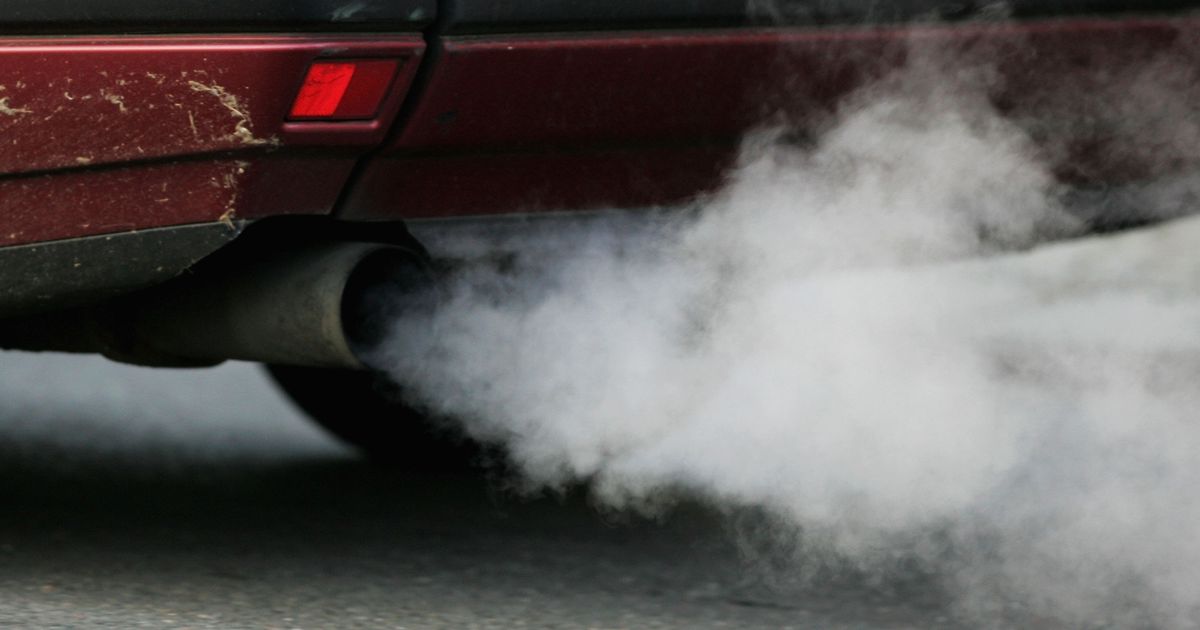
Air pollution contributes to obesity through particulate matter (PM2.5, PM10) and gases like nitrogen dioxide.
Synopsis: Diet and exercise alone are not enough to regulate obesity when air pollution and everyday chemical exposures are widespread. Evidence from laboratory and population studies shows that polluted air and chemicals from plastics and pesticides trigger inflammation, disrupt hormones, and reprogramme fat cells, increasing the risk of obesity and diabetes over time. With more than 100 million Indians living with obesity, experts say tackling this obesogenic environment requires systemic action, not individual blame.
Picture this: a person is trying to lose weight and is eating less and healthier. Yet the scale keeps climbing despite their efforts.
“Obesity isn’t just about ‘eat less, walk more’. We’ve created an obesogenic environment: ultra-processed food everywhere, unsafe streets to walk, motorised transport, screen addiction, and even pollution and pesticides that quietly disrupt the body. In this environment, obesity rises and diabetes follows,” said Dr V Mohan, chairman, Dr Mohan’s Diabetes Specialities Centre.
Air pollution and chemical exposures drive weight gain through biological pathways, regardless of how much a person eats or exercises.
Evidence runs from laboratory models to population studies, showing how environmental factors reshape metabolism at the cellular level.
Air pollution drives obesity through particulate matter (PM2.5, PM10) and gases such as nitrogen dioxide. These pollutants enter the lungs with each breath, pass into the bloodstream, and set off metabolic disruptions.
PM2.5 and PM10 increase fat accumulation by altering adipose tissue, switching on fat-producing genes, and impairing glucose metabolism. Studies show a higher obesity risk in people exposed to traffic-related air pollution. Long-term exposure links to rising BMI, especially in genetically susceptible individuals.
This process works through oxidative stress. Inhaled fine particles generate excessive reactive oxygen species (ROS), molecules that damage cells and disrupt metabolic balance. Think of ROS as sparks from a fire: a few stay manageable, but constant exposure scorches the body’s metabolic machinery.
PM2.5 particles carry metals and organic compounds that trigger ROS production in lung cells. This oxidative burst spills into the bloodstream, overwhelms the body’s antioxidants, and damages fat tissue. Elevated ROS then push fat cells into storage mode by activating genes that increase fat production and suppressing genes that burn fat.
Pollution rapidly activates the hypothalamus, the brain region that controls hunger and energy balance. Think of the hypothalamus as a thermostat that regulates how much a person eats and how much energy they burn. Pollution knocks this thermostat off balance.
PM2.5 activates pathways that raise inflammatory chemicals such as tumour necrosis factor-alpha and interleukin-6, even before weight gain occurs. This damages leptin signalling, the hormone that tells the brain when the body has enough fat stored. When leptin signals fail, the brain thinks the body needs more food. Hunger rises. Energy expenditure falls. Fat mass builds up over weeks and months of chronic exposure.
In fat tissue, PM2.5 drives inflammation that shifts immune cells into pro-inflammatory states and causes insulin resistance. This expands fat deposits, blocks the conversion of white fat (storage fat) into brown fat (fat that burns energy), and increases fat production while suppressing fat burning.
Inflammatory chemicals leak from the lungs into the bloodstream, creating a vicious cycle that worsens gut bacteria imbalance, oxidative stress, and resistance to both insulin and leptin across the body. Laboratory models show that blocking inflammatory pathways reverses these effects, confirming inflammation’s direct role in pollution-driven obesity.
Pollutants also raise obesity risk indirectly by limiting outdoor activity. As air quality worsens, people stay indoors. Sedentary behaviour increases, chronic disease risk rises, and the capacity to exercise drops further.
Beyond air pollution, human-made chemicals known as obesogens promote obesity by disrupting hormone signalling, fat metabolism, and the formation of new fat cells. These synthetic pollutants accumulate in fat tissue and reset metabolic controls, especially during foetal development and early childhood.
Think of obesogens as saboteurs that slip into the body’s control room and flip switches that should not be touched. They activate receptors that push immature cells to become fat cells, increase fat storage in existing cells, and disrupt hormones that regulate appetite and metabolism.
Common obesogens include bisphenol A (BPA) from plastics, phthalates in consumer products, organotins such as tributyltin from antifouling paints, and persistent pollutants including PCBs and dioxins from industrial processes. Pesticides such as organophosphates and DDT, flame retardants known as PBDEs, and perfluoroalkyl compounds (PFCs) also contribute. Heavy metals and industrial solvents further add to the risk. Exposure is widespread through food, water, and air.
Obesogens activate receptors that drive immature cells to differentiate into fat cells and increase fat storage. They disrupt hormones such as leptin, ghrelin, and insulin. They trigger oxidative stress and inflammation. They reprogramme genes towards lifelong fat accumulation. Exposure during pregnancy pushes stem cells towards forming fat tissue, which explains why effects can persist across generations.
Laboratory studies show BPA speeds up the conversion of immature cells into fat cells. Tributyltin increases fat mass in mice. Population studies link higher phthalate and BPA levels to abdominal obesity and insulin resistance. Data from the National Health and Nutrition Examination Survey confirms these links in adults.
“When the environment changes, bodies change. From junk food and sedentary lifestyles to air pollution and chemical exposures, today’s world is pushing obesity up and, with it, diabetes, earlier and faster than before,” Dr Mohan said.
Multiple exposures amplify each other. Air pollution drives obesity through inflammation. Chemical obesogens reprogramme fat cells. High-fat diets interact with both, creating synergistic weight gain by disrupting the same biological pathways.
“Stop blaming individuals. The real driver is the obesogenic environment: calorie-dense food on demand, fewer safe spaces to move, more screen time, and rising pollution. It’s a perfect setup for obesity and a direct pipeline to diabetes,” Dr Mohan said.
For air pollution, people can stay indoors on high-pollution days and use HEPA air purifiers. Air quality index apps track PM2.5 levels in real time. Wearing N95 masks outdoors during poor air quality offers protection. Exercising in low-traffic green spaces rather than along roads cuts exposure. Advocacy for cleaner air matters, as regions that reduce emissions show measurable health gains.
Reducing exposure to chemical obesogens means limiting contact with plastics, packaging, and personal care products where these chemicals leach, especially when heated or worn down.
Choose fresh, unpackaged produce instead of canned or plastic-wrapped foods. Use glass jars, stainless steel, or plastics marked with recycling codes 2 or 4 for storage, not code 3 (often phthalate-heavy) or 7. Never microwave food in plastic. Cook from scratch using dried beans and frozen vegetables to avoid processed foods packaged in plastic.
Store food in glass or metal containers. Do not leave plastic bottles in hot cars. Use reusable stainless steel or glass water bottles. Choose wooden or BPA-free toys for children.
Select fragrance-free personal care products, as fragrances often contain phthalates listed as “parfum” on labels. Wash hands after handling thermal paper receipts coated in BPA. Limit high-fat packaged foods, as fats absorb these chemicals more readily.
The obesogenic environment operates beyond individual control. Air quality depends on industrial emissions, vehicle traffic, and urban planning. Chemical exposure flows from manufacturing choices and regulatory standards. Individual steps still cut exposure while broader policy changes take shape.
For more than 100 million Indians living with obesity, and another 136 million in the prediabetes range, understanding environmental drivers shifts the focus from personal failure to systemic causes that need systemic solutions.


