


Published Mar 14, 2026 | 7:31 AM ⚊ Updated Mar 14, 2026 | 7:31 AM

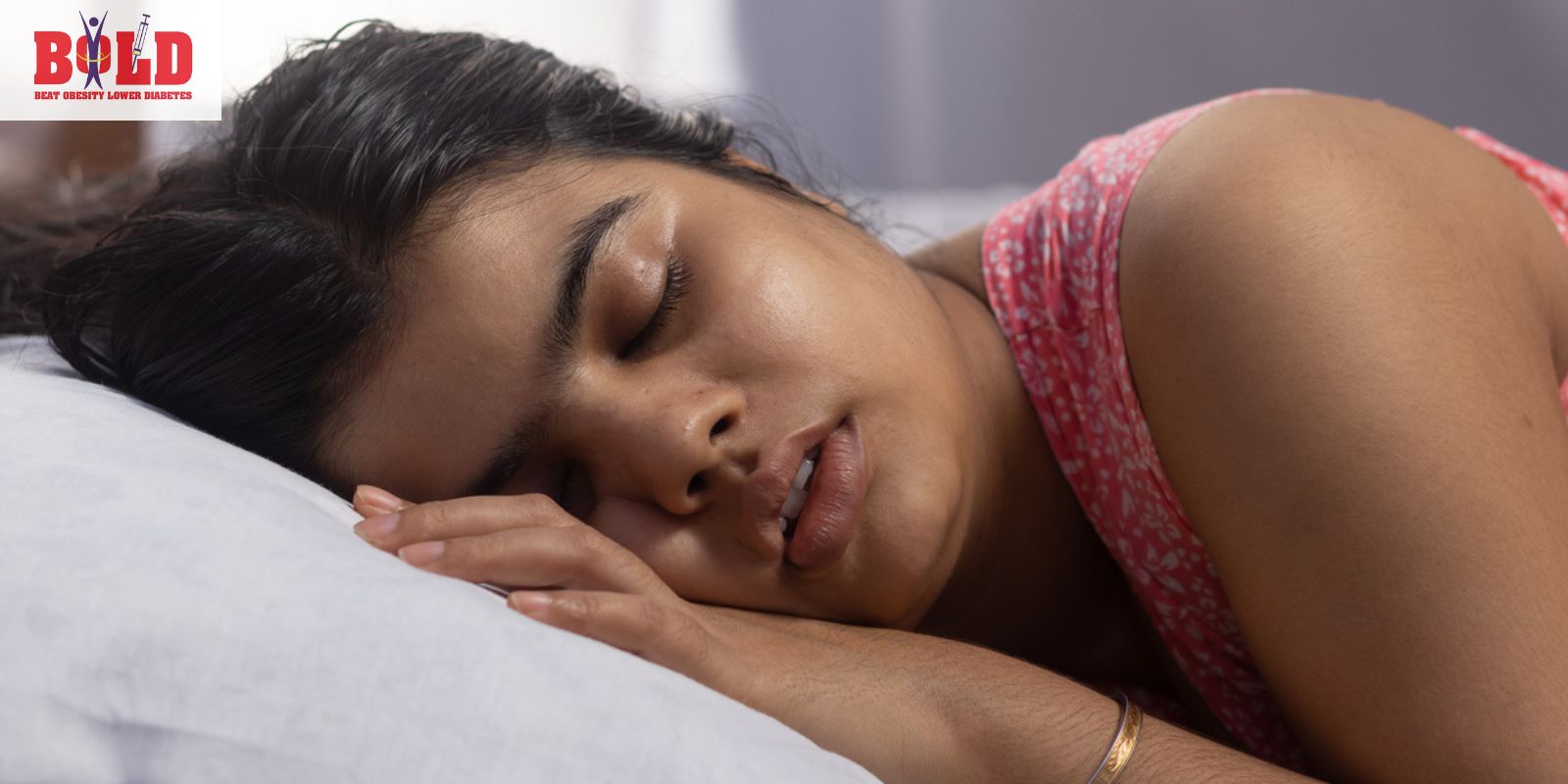
Tirzepatide approved as prescription drug for OSA in adults with obesity. (Representational image/ iStock)
Synopsis: The SURMOUNT-OSA phase 3 trial enrolled 469 adults with moderate-to-severe OSA and obesity across 60 sites in nine countries. Participants received either weekly injections of tirzepatide or a placebo for 52 weeks. The key measure used was the apnea–hypopnea index (AHI), the number of breathing interruptions per hour of sleep.
In December 2024, the US Food and Drug Administration approved tirzepatide, a drug originally cleared for obesity, as the first prescription drug for obstructive sleep apnea (OSA) in adults with obesity.
The approval was based on findings from a large international clinical trial.
Meanwhile, doctors in India say they are already using the drug with patients and seeing results, but caution that it is not a standalone solution.
Tirzepatide is an injectable drug, that works by activating receptors for two gut hormones, GLP-1 and GIP, which regulate appetite and metabolism. This leads to reduced food intake and sustained weight loss. In clinical trials for obesity, participants lost an average of 18 to 20 percent of their body weight over 52 weeks.
Obstructive sleep apnea is a condition in which the upper airway repeatedly becomes blocked during sleep, causing breathing to pause. These pauses can occur hundreds of times a night. OSA is associated with high blood pressure, heart disease, stroke, type 2 diabetes, and depression. It affects an estimated 900 million people globally, with roughly 40 percent having moderate-to-severe disease.
Excess body weight is among the primary risk factors for OSA. Fat deposits around the neck and throat narrow the airway, and abdominal fat can restrict breathing mechanics, making the airway more prone to collapse during sleep.
“Obesity and sleep apnea are very closely linked. Excess fat around the upper airway makes the throat more likely to collapse during sleep. Abdominal fat restricts breathing mechanics. This combination sets the stage for repeated pauses in breathing. The person is forced to mouth breathe, causing dryness in the mouth and even leading to choking,” said Dr Satyanarayana Mysore, Chairman, HOD & Consultant, Pulmonology, Sleep Medicine & Lung Transplant, Manipal Hospitals, speaking to South First.
The SURMOUNT-OSA phase 3 trial enrolled 469 adults with moderate-to-severe OSA and obesity across 60 sites in nine countries. Participants received either weekly injections of tirzepatide or a placebo for 52 weeks. The key measure used was the apnea–hypopnea index (AHI), the number of breathing interruptions per hour of sleep.
In participants not on any existing therapy, tirzepatide reduced the AHI by 25.3 events per hour, compared with 5.3 events per hour in the placebo group. In those already using CPAP (continuous positive airway pressure) therapy, the reduction was 29.3 events per hour with tirzepatide versus 5.5 with placebo.
Between 61 and 72 percent of patients on the drug achieved at least a 50 percent reduction in breathing disruptions. Around 42 to 50 percent reached full remission or mild OSA, the level at which CPAP would not typically be recommended. The trial also recorded reductions in blood pressure and inflammation markers, and improvements in patients’ self-reported sleep quality.
“I have started using it with my patients who are obese and see remarkable help,” Dr Mysore said that he has begun prescribing the drug to obese patients with OSA and is observing improvements. He noted, however, that obesity is not the only factor in play.
“GLP-1 based weight loss drugs can help some patients with obstructive sleep apnea, especially when excess weight is a major driver, because reducing body weight can lower airway collapse during sleep. I have started using it with my patients who are obese and see remarkable help,” Dr Mysore said.
He also pointed to the significant number of patients who do not use CPAP, the current standard of care, due to discomfort or social stigma. Younger patients, he said, are often reluctant to use the device.
“Some of my patients are also conscious when they have to use a CPAP machine. If they are young, have to get married, they are embarrassed. We first counsel them on this and suggest lifestyle changes. The first suggestion is to lose weight. It is here that GLP-1 plays a huge role, as it improves metabolic health and hence reduces sleep apnea severity,” said Dr Mysore.
Dr Mysore also noted that patients often arrive with unrealistic expectations about sleep. He explained that sleep occurs in stages and that REM, or dream sleep, is particularly important, as it is when the brain processes events from the day. Dr Mysore further traced the human sleep pattern back to evolutionary biology: as hunter-gatherers, humans were active during the day and vulnerable at night, and over millions of years, sleep became firmly tied to darkness.
He said preparing the mind for sleep, unwinding, avoiding forced attempts to suppress thoughts, and allowing mental activity to settle naturally, is as important as any medical intervention.
“Everybody expects that they would sleep like a baby, have no disturbance in the night, not even wake up for a bio break, and in the morning when they wake up they would feel completely nourished and refreshed. That is one kind of expectation mismatch,” said DrMysore.
Dr Mysore said tirzepatide should not be seen as a replacement for existing OSA treatments. He told South First that a full sleep evaluation and a broader treatment plan remain necessary.
“However, this alone is not a treatment option. There definitely needs to be a sleep evaluation and other therapies that a pulmonologist can decide. These medicines should be part of a broader plan under strict medical supervision,” Dr Mysore.
Current clinical guidelines continue to recommend CPAP as the primary treatment for symptomatic OSA. The SURMOUNT-OSA trial was not designed to assess whether tirzepatide could replace CPAP, and a number of participants still had residual sleep-disordered breathing at the end of the 52-week study period.
The most commonly reported side effects of tirzepatide in the trial were gastrointestinal, nausea, diarrhoea, vomiting, and constipation, and were generally mild to moderate, occurring mainly during the dose-escalation phase. The drug carries warnings for pancreatitis, gallbladder problems, and a potential risk of thyroid tumours based on animal studies. It is not recommended for patients with a personal or family history of medullary thyroid cancer.
The FDA approval marks the first time a prescription medication has been cleared specifically for obstructive sleep apnea. Researchers say drugs that target obesity and metabolic pathways may open a new pharmacological approach to a condition that has, until now, been managed almost entirely through mechanical devices or surgery. Ongoing trials are expected to provide longer-term data on cardiovascular outcomes.
(Edited by Sumavarsha)


