

Published Feb 18, 2026 | 7:00 AM ⚊ Updated Feb 18, 2026 | 11:55 AM

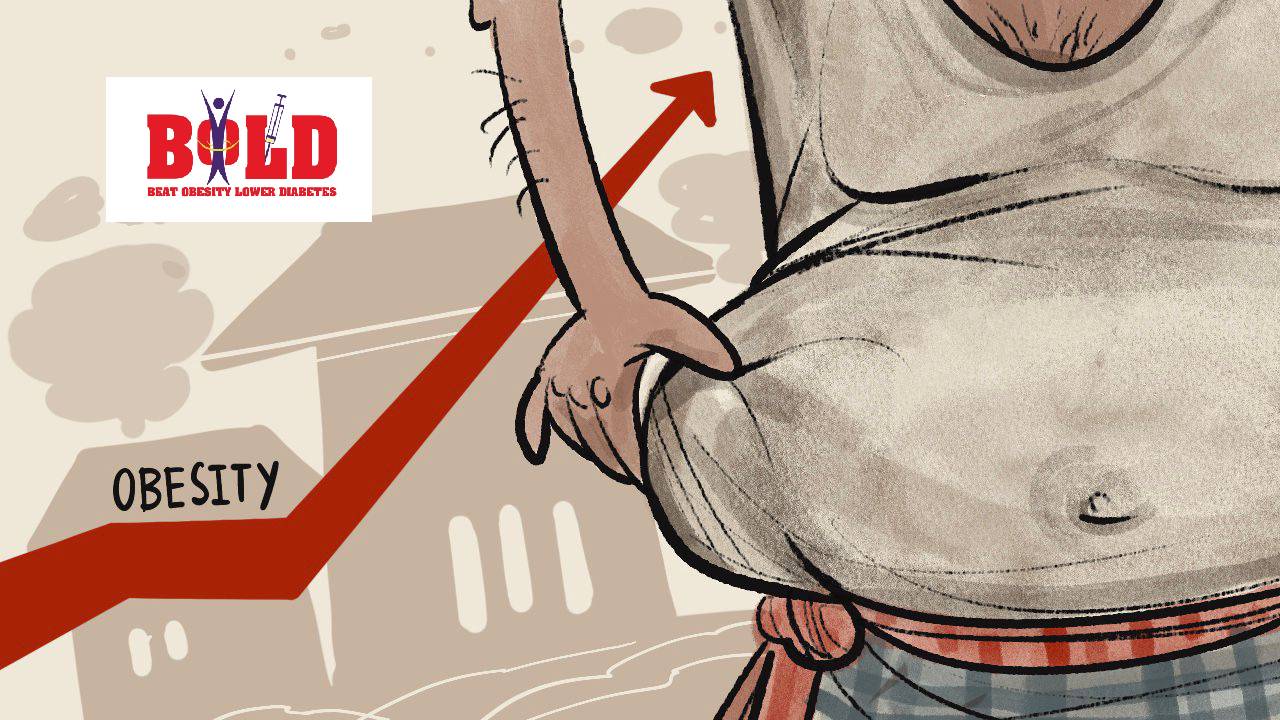
The study reshapes our understanding of body weight and infection.
Synopsis: The findings of a study push obesity prevention beyond its traditional focus on heart disease and diabetes. It suggests health systems should integrate weight management into strategies for fighting infections, including prioritising people with obesity for vaccination programmes.
A man walks into a hospital with pneumonia. His body carries extra weight. Within weeks, he dies. Another person arrives with the same infection, weighs less, and walks out alive.
For years, doctors watched this pattern, but could not explain why the numbers stacked up this way.
Now, researchers have followed more than half a million people across two countries for over a decade and found something that reshapes our understanding of body weight and infection. The study, published in The Lancet, shows that obesity drives one in 10 deaths from infections worldwide.
Scientists from the University of Helsinki and University College London pulled records from 67,766 adults in Finland and 4,79,498 participants from the UK Biobank. None of these people had faced a hospital stay for infection when the study began. Researchers measured their body mass index, then watched what happened next.
Over 13 to 14 years, infections sent 8,230 people to hospitals in Finland. In the UK, that number reached 81,945. Some got better, others did not survive. The pattern emerged when researchers compared weights. People with class III obesity (those with a BMI of 40 or higher) faced three times the risk of landing in a hospital bed or dying from an infection compared with those who maintained what doctors call a healthy weight.
Take two people exposed to the flu. One weighs 75 kilograms at 1.75 metres tall. The other weighs 120 kilograms at the same height. The first person has a 1.1 per cent chance of landing in hospital or dying from infection each year. The second person faces a 1.8 per cent risk. The numbers climb higher as the weight increases.
The team did not stop at tracking weight at just one point. They watched what happened when the weight changed. In Finland, they measured people twice, years apart. Those who gained enough weight to cross from overweight into obesity saw their infection risk climb by 1.3 times. People who dropped from obesity back to overweight or into the healthy range cut their risk by 20 percent.
The study controlled for factors that could muddy the water. Age, smoking habits, alcohol use, physical activity, diabetes, and heart disease were all of these got factored into the calculations. The link between weight and infections held firm. The researchers even checked different measures of body fat (waist size, waist-to-height ratio) and found the same pattern.
The study examined 10 infections that doctors see most often: influenza, COVID-19, pneumonia, gastroenteritis, urinary tract infections, skin infections, lower respiratory tract infections, acute tonsillitis, sepsis, and viral liver disease. Obesity raised the risk for nearly all of them.
Skin and soft tissue infections showed the strongest link. People with obesity faced 2.8 times the risk compared with those at a healthy weight. COVID-19 came in at 2.3 times. Even common throat infections (acute pharyngitis and tonsillitis) carried 1.5 times the risk.
Two infections broke the pattern: HIV and tuberculosis showed no link with obesity. The researchers suspect that it reflects reverse causation. Both conditions cause weight loss as they progress, which means people with these infections often weigh less by the time doctors diagnose them, not because low weight protects them, but because the disease causes weight loss.
The researchers took their findings from Finland and the UK and applied them to global data from the Global Burden of Diseases, Injuries, and Risk Factors Study. The calculations pointed to 600,000 infection deaths linked to obesity in 2023 alone. It represents 10.8 percent of all deaths from infections that year. During the COVID-19 pandemic in 2021, the proportion jumped to 15 percent, then settled back down as COVID-19 infections declined.
Geography matters. North Africa and the Middle East recorded the highest burden, with obesity accounting for 22.5 percent of infection deaths in 2023. In the United States, obesity is linked to 25.7 percent of infection-related deaths, translating to 35,900 of 139,400 deaths that year. The UK saw 17.4 percent. Vietnam recorded just 1.2 percent.
The researchers placed India within the South Asia super-region, where obesity contributed to just 4.1 percent of deaths from infections in 2023. This made South Asia the region with the lowest burden from the combination of obesity and infections. Compare this with North Africa and the Middle East, where obesity accounted for 22.5 percent of infection deaths the same year.
The contrast points to India’s ongoing battle on two fronts. Around 135 million people in India live with obesity, and the condition has grown from affecting 13 percent of women between 15 and 49 years in 2005 to 21 percent by 2016. Yet over 2.34 million deaths still came from infectious diseases in the country, with respiratory infections including influenza and pneumonia, leading the toll.
The country straddles what researchers call an epidemiological transition, where traditional infectious killers like tuberculosis share space with rising chronic conditions linked to weight.
Projections show obesity prevalence will climb further, which could push India’s infection death burden closer to wealthier regions where the obesity-infection link has taken a stronger hold.
Professor Mika Kivimäki from University College London, who led the study, explained what might drive this pattern.
“Our finding that obesity is a risk factor for a wide range of infectious diseases, suggests that broad biological mechanisms may be involved,” he said. “It is plausible that obesity weakens the immune system’s ability to defend against the infectious bacteria, viruses, parasites or fungi, therefore resulting in more serious diseases.”
Evidence from drug trials backs this theory. The SELECT trial enrolled more than 17,000 adults with overweight or obesity and heart disease, but no diabetes. Half received semaglutide, a weight-loss medication. Half got a placebo. Over 3.3 years, it was noted that the fatality rate decreased in those who took the drug and lost weight. Some of that benefit came from fewer deaths from infections.
A separate analysis pooled results from 21 trials of GLP-1 receptor agonists (the drug class that includes semaglutide). Across 99,599 participants followed for an average of 2.4 years, these medications cut infection risk by 10 percent.
Lead author Solja Nyberg from the University of Helsinki stressed the implications for public health.
“As obesity rates are expected to rise globally, so will the number of deaths and hospitalisations from infectious diseases linked to obesity,” she said. “To reduce the risk of severe infections, there is an urgent need for policies that help people stay healthy and support weight-loss, alongside keeping vaccinations up to date for people living with obesity.”
The findings push obesity prevention beyond its traditional focus on heart disease and diabetes. The study suggests health systems should integrate weight management into strategies for fighting infections, including prioritising people with obesity for vaccination programmes.
Sara Ahmadi-Abhari from Imperial College London, who was not involved in the research, cautioned about the global estimates. “Estimates of the global impact give a sense of how large the problem may be, but they should be interpreted with caution,” she noted, particularly given data gaps in low-resource settings.
The researchers acknowledge their work’s limitations. The study watched people over time, but it cannot prove that obesity directly causes worse infection outcomes. It shows correlation, not causation. The Finnish and UK populations studied also do not represent every country or ethnic group, which means the specific risk numbers might not apply everywhere, though the overall pattern probably does.
The study relied on BMI, which measures weight relative to height but does not distinguish between fat and muscle or show where fat sits in the body. Some athletes with high muscle mass might get classified as overweight or obese by BMI even though they carry little fat. The study could not examine people who were underweight because too few cases appeared in the data, even though low weight also raises infection risk.
Hospital records captured the infections, which means the study missed milder cases that never required hospital care. This should not bias the results much if obesity affected hospital admission rates and death rates equally, but it remains a possibility.
Still, the pattern held across two countries, multiple measures of body fat, different types of infections, and various subgroups of people. The researchers adjusted for factors like smoking, alcohol use, diabetes, and heart disease, and the link persisted. Trial evidence showing that weight-loss drugs cut infection deaths adds weight to the idea that obesity itself makes infections more lethal, not just something that travels alongside it.
The study shifts how we should think about obesity. For decades, public health campaigns framed excess weight mainly as a driver of diabetes, heart attacks, and strokes. These remain true. But the research shows obesity also raises the stakes when bacteria, viruses, or fungi enter the body. The immune system, already known to struggle under the metabolic stress of obesity, proves less capable of mounting an effective defence. What starts as a manageable infection in one person becomes a hospital admission or death in another, with weight acting as the decisive factor.
(Edited by Majnu Babu).


