


Published Mar 24, 2026 | 12:20 PM ⚊ Updated Mar 24, 2026 | 12:20 PM

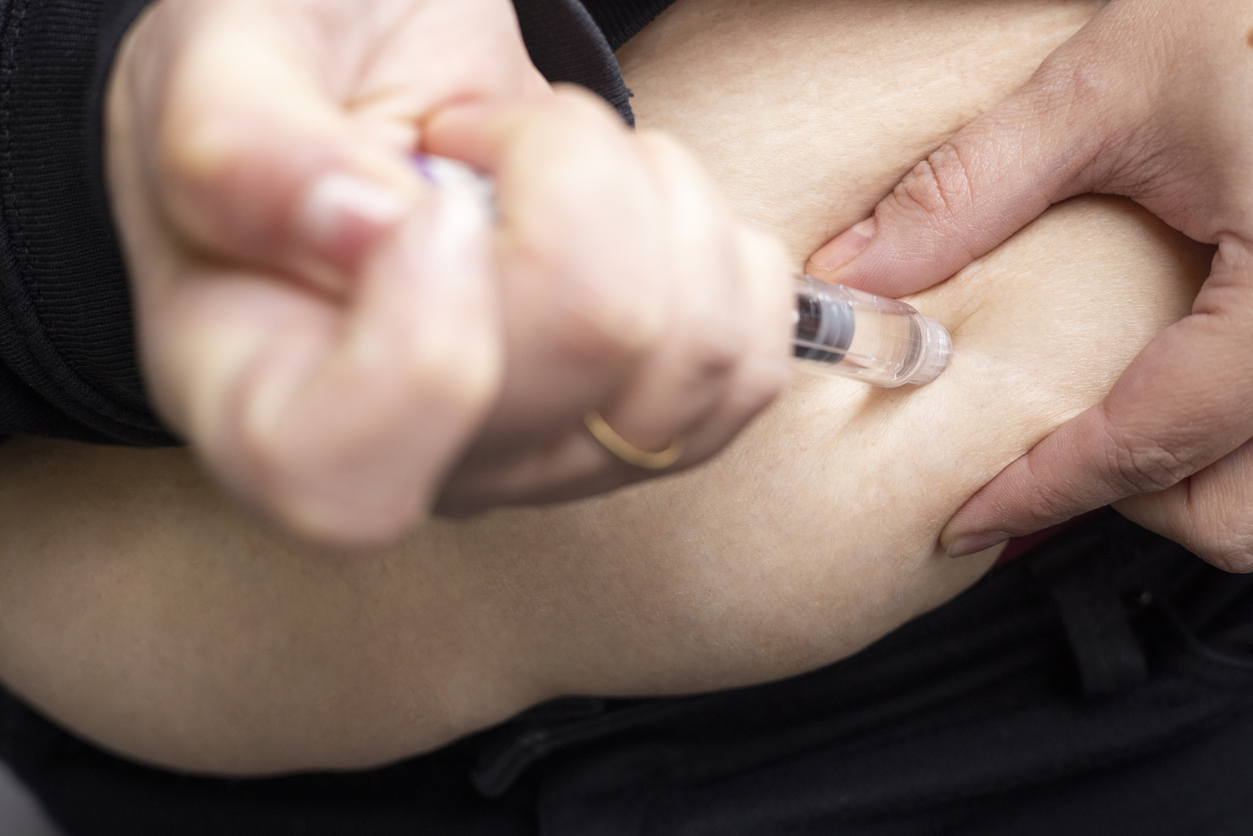
Representational image. Credit: iStock
Synopsis: India’s drug regulator has launched a nationwide crackdown after generic semaglutide flooded the market post‑patent expiry, slashing prices. Audits at 49 entities exposed prescription‑free sales through pharmacies, online platforms, and slimming clinics. The ministry warned of strict penalties, stressing GLP‑1 drugs require specialist oversight. Regulators fear misuse, surrogate advertising, and health risks could undermine safe, legitimate access.
Just days after generic semaglutide flooded the Indian market at a fraction of its original price, the country’s drug regulator has moved swiftly to signal that cheap does not mean unregulated.
On 24 March, the Ministry of Health and Family Welfare confirmed that the Drugs Controller of India, in collaboration with state regulators, has intensified surveillance across the GLP-1 supply chain.
The action follows concerns that generic weight loss drugs are being sold without prescriptions through retail pharmacies, online platforms, wholesalers, and wellness clinics, channels where medical supervision is often minimal or absent entirely.
The crackdown is already operational. In recent weeks, audits and inspections were conducted at 49 entities spanning online pharmacy warehouses, drug wholesalers, retailers, and slimming clinics across multiple regions.
The ministry was direct in its warning: “Notices have also been sent to defaulting entities,” and “regulatory surveillance will continue to be intensified in the coming weeks and non-compliances will be dealt strictly with actions including cancellation of licenses, penalties, and prosecution under applicable laws.”
The timing is not coincidental. On 21 March, the day semaglutide’s Indian patent expired, at least six domestic companies including Dr Reddy’s, Sun Pharma, Zydus Lifesciences, Glenmark, Alkem, and Natco launched generic versions. Monthly costs fell from ₹8,800-₹10,850 to as low as ₹1,300 for vial-based formats. More than 40 companies are preparing over 50 brands in total, and prices are expected to fall further.
That kind of market saturation, arriving almost overnight, creates conditions that regulators find difficult to manage. When a drug is expensive, access itself acts as a filter. When it becomes cheap, the filter disappears — and with it, often, the medical supervision that should accompany use.
The ministry was explicit about who can legally prescribe these drugs. “The drug has been approved in India with condition of prescription by endocrinologists and internal medicine specialists and for some indications by cardiologists only,” it said in its 24 March statement.
General physicians are not on that list, a significant restriction in a country where specialist access is concentrated in urban centres and is often expensive in its own right.
The ministry also left no ambiguity about its core concern. “Patient safety remains paramount,” it said. “The misuse of weight loss drugs without clinical oversight can lead to severe health complications. Citizens are advised to use such medications only under the guidance of qualified medical practitioners.”
A comprehensive advisory issued on 10 March had already put manufacturers on notice. The regulator had explicitly prohibited “surrogate advertisements and any form of indirect promotion that could mislead consumers or encourage off-label usage,” the ministry confirmed.
The concern is that wellness clinics and online platforms, eager to capitalise on the sudden affordability of these drugs, could promote them as cosmetic weight loss solutions rather than prescription medicines with defined clinical indications.
This is not a hypothetical risk. In markets where GLP-1 drugs became widely available, off-label use for cosmetic weight loss — in people who do not meet clinical criteria — became common. The drugs carry real side effects including nausea, vomiting, and gastrointestinal complications. Used without supervision, dose escalation can be mismanaged, side effects can go unmonitored, and patients with contraindications may not be screened out.
India has 10 crore adults with diabetes and an estimated 25 crore with obesity. The potential patient pool for GLP-1 drugs is enormous, and the price collapse is genuinely significant for public health. But the regulator’s intervention points to a tension that will define how this market develops.
Cheap drugs reaching patients through informal channels, wellness clinics, online pharmacies, local chemists — without endocrinologist oversight is not the access story that public health advocates have in mind. It is a different story, one with a higher risk of misuse, adverse events, and eventual regulatory backlash that could slow the very expansion in legitimate access that the patent expiry was supposed to enable.
The 49 entities inspected so far represent an early warning shot. As the ministry put it, “concerns have emerged regarding on-demand availability through retail pharmacies, online platforms, wholesalers, and wellness clinics.”
For patients, the message is straightforward: GLP-1 drugs are prescription medicines, not wellness supplements. The fact that a monthly supply now costs less than a restaurant meal does not change the clinical requirements around their use.
For the Indian healthcare system, the harder question remains unanswered. If these drugs must be prescribed by endocrinologists, and India has a severe shortage of endocrinologists outside major cities, then the promise of cheap, accessible treatment for crores of patients may be considerably narrower in practice than the price tag suggests.


