

Published Jul 27, 2026 | 7:00 AM ⚊ Updated Jul 27, 2026 | 7:00 AM

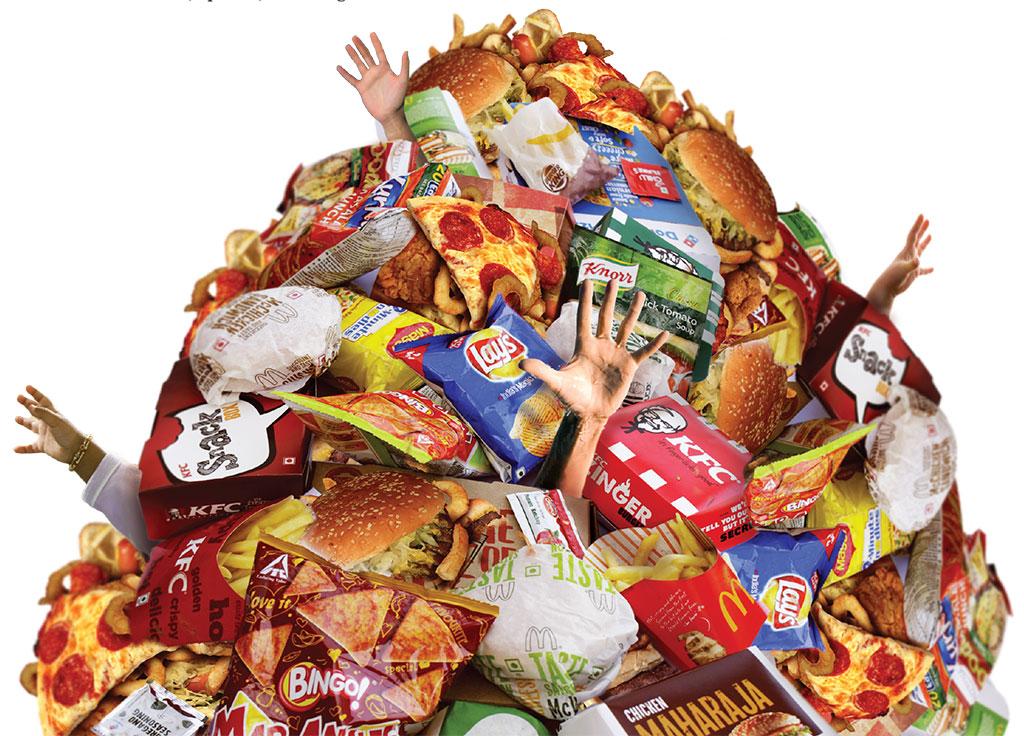
India first needs a regulatory definition of HFSS foods.

Synopsis: A new ICMR-NIN-led policy report says India’s efforts to curb childhood obesity are hindered by the absence of a legally enforceable definition of foods high in fat, sugar and salt (HFSS). The report argues that key measures, including school food rules, advertising restrictions, food labelling and taxation, depend on this missing regulatory foundation.
India has no shortage of ideas to tackle unhealthy diets among children. Experts have called for front-of-pack warning labels on packaged foods, healthier school canteens, restrictions on junk food advertising, taxes on unhealthy foods, mandatory nutrition education and greater physical activity in schools.
But according to a new policy document released by the Indian Council of Medical Research-National Institute of Nutrition (ICMR-NIN)-led Let’s Fix Our Food (LFOF) Consortium, many of these interventions rest on one missing foundation: a legally enforceable definition of foods high in fat, sugar and salt (HFSS).
Without a standardised regulatory definition, the report argues, policies intended to protect children from unhealthy food environments become difficult to implement consistently. Whether it is restricting the sale of unhealthy foods in schools, regulating advertisements targeted at children, introducing front-of-pack nutrition labels or considering fiscal measures such as taxes on unhealthy foods, policymakers must first determine which products qualify as HFSS.
“The absence of a regulatory definition of HFSS foods remains a significant barrier to implementation,” the report states, describing a standardised definition as “a prerequisite for effective policy implementation.”
The policy brief series, released on 22 July, is the outcome of nearly three years of multidisciplinary research, stakeholder consultations and policy dialogues conducted by the consortium led by ICMR-NIN, with participation from Resolve to Save Lives India, UNICEF India, Public Health Foundation of India (PHFI), WHO, the Food Safety and Standards Authority of India (FSSAI), and several national and international institutions.
Launching the report, Dr M Srinivas, Member (Health), NITI Aayog, said, “Evidence-based, multisectoral policy action is essential to create healthier food environments for children and adolescents. Collaborative initiatives such as the Let’s Fix Our Food Consortium are important for addressing the growing burden of overweight, obesity and diet-related non-communicable diseases in India.”
Also Read: DCGI approves India’s first dengue vaccine Qdenga for people aged 4 to 60 years
The consortium’s report is not a new government policy but a collection of 10 evidence-based policy briefs intended to guide future action. Together, they outline recommendations on healthier school food environments, nutrition literacy, front-of-pack nutrition labelling, regulation of unhealthy food marketing, taxation of foods high in fat, salt and sugar, healthier dietary fats, salt reduction, low-sodium salt substitutes, social and behaviour change communication, and youth engagement.
Yet across these diverse recommendations, one message recurs repeatedly: India first needs a regulatory definition of HFSS foods.
The report notes that such a definition forms the basis for several public health interventions. Without identifying which foods fall within the HFSS category, authorities cannot consistently regulate marketing, implement school food standards, introduce warning labels or frame fiscal measures.
Instead of treating each recommendation in isolation, the document presents them as parts of an integrated strategy to improve children’s food environments, with the HFSS definition serving as the common thread linking multiple policy actions.
Dr Bharati Kulkarni, Director, ICMR-NIN, said the recommendations reflected years of collaborative work.
“ICMR-NIN is committed to generating high-quality evidence and fostering partnerships that translate research into public health action. The policy recommendations reflect the collective efforts of researchers, policymakers, development partners and young people working towards healthier food environments for India’s future generations,” she said in a statement.
The report’s recommendations come against a backdrop of rising childhood obesity and changing dietary patterns.
According to the document, India is home to approximately 561 million children and adolescents aged between five and 19 years, accounting for nearly 28.5 percent of the country’s population.
An estimated 41 million children in this age group are living with overweight or obesity in 2025. If current trends continue, India could contribute more than 11 percent of the global burden of childhood obesity by 2030.
The report also cites the Dietary Guidelines for Indians 2024, which estimate that unhealthy diets contribute to 56.4 percent of India’s disease burden.
Against this backdrop, the consortium argues that healthier food environments have become essential to preventing diet-related non-communicable diseases rather than relying solely on individual behaviour change.
Echoing that concern, Marie-Claude Desilets, Chief of Nutrition at UNICEF India, said, “Malnutrition is no longer only about undernutrition. Rising obesity, driven by unhealthy diets, challenges healthy growth among children and adolescents. Every child has the right to grow up in a food environment that enables them to thrive, learn and achieve their full potential.”
Also Read: India’s new draft health policy focuses on medical research changing lives, not papers published
Schools occupy a central place in the policy document.
The report recommends strengthening implementation of the Food Safety and Standards (Safe Food and Balanced Diets for Children in School) Regulations, 2020, to create healthier school food environments.
Its recommendations include making school campuses HFSS-free, improving school canteens, strengthening nutrition education, conducting annual assessments of school food environments, issuing health and nutrition report cards for students and ensuring at least 60 minutes of structured physical activity every day.
However, the report also notes that key provisions under the 2020 regulations, including restrictions relating to the sale and marketing of HFSS foods within schools and within a 50-metre radius of school premises, have not yet been operationalised through notification.
It therefore recommends notifying these provisions, strengthening inspections, improving compliance monitoring and clearly assigning implementation responsibilities.
The policy recommendations extend beyond educational institutions to the wider food environment children encounter every day.
The consortium calls for mandatory front-of-pack nutrition labelling to help consumers identify less healthy products, stronger regulation of food marketing directed at children across television and digital platforms, greater nutrition literacy, social and behaviour change campaigns, healthier dietary fats, salt reduction initiatives and fiscal measures that encourage healthier dietary choices.
Prof K Srinath Reddy, Founder President of the Public Health Foundation of India, stressed the need for comprehensive policy interventions addressing the commercial, social and environmental determinants of unhealthy diets and called for sustained action to protect children and adolescents from obesogenic food environments.
Similarly, Dr Syed Imran Farooq, Executive Director of Resolve to Save Lives India, highlighted the need to reduce excess salt, fat and sugar intake alongside policies that support healthier food environments and lower the burden of cardiovascular diseases and other health threats.
While the recommendations cover diverse policy areas, the report consistently returns to one underlying conclusion: a standardised regulatory definition of HFSS foods is the foundation upon which many of India’s future nutrition policies will depend.
Rather than presenting isolated recommendations, the document argues for a coordinated approach that links school food environments, nutrition education, food labelling, marketing regulations and fiscal policies into a single framework for improving children’s diets.
In that framework, the report suggests, the seemingly technical task of defining HFSS foods could become one of the country’s most consequential public health decisions.



