

Published Feb 04, 2026 | 9:08 AM ⚊ Updated Feb 04, 2026 | 9:08 AM

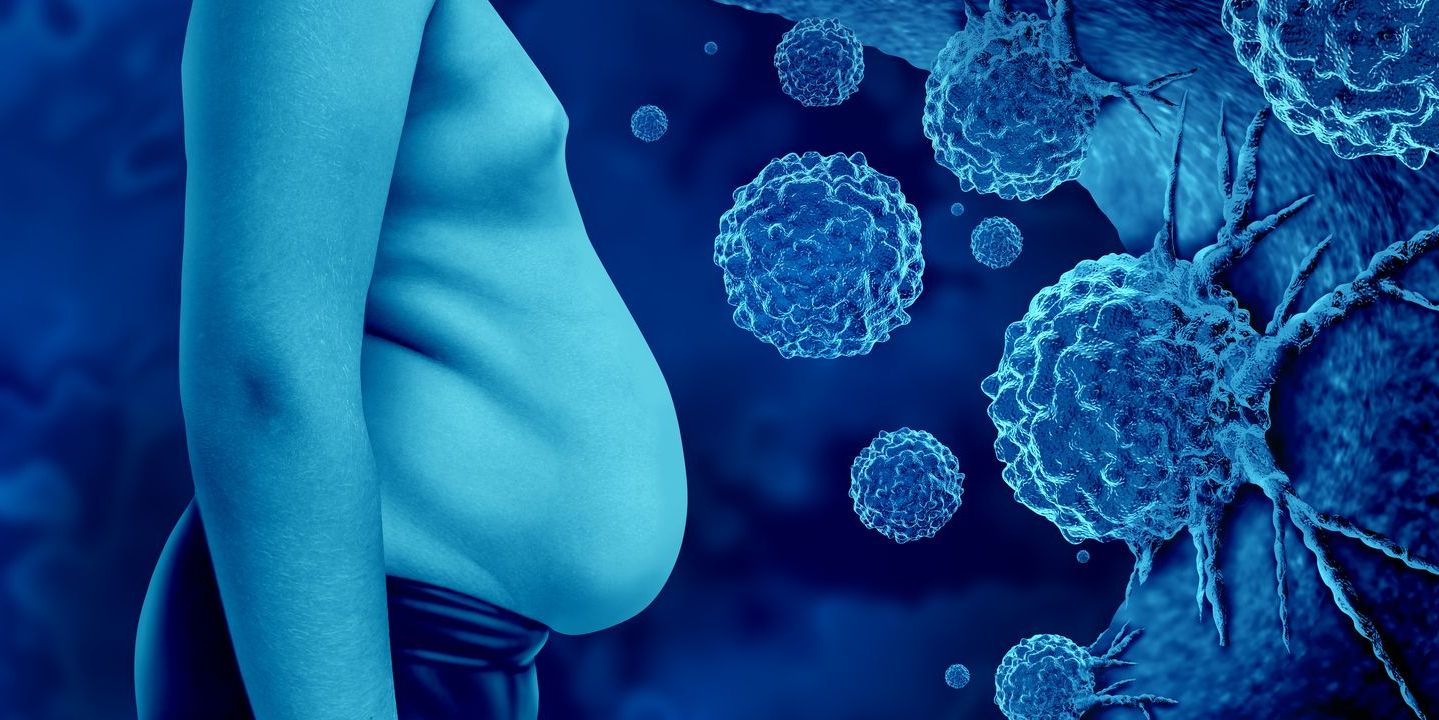
Obesity and cancer. (iStock)
Synopsis: A study found that people with a higher body mass index tend to have a higher cancer risk. Obesity connects to cancer through six biological pathways. Each five-kilogram-per-square-metre increase in BMI is linked to about 10 percent higher cancer mortality.
A woman with a body mass index (BMI) of 40 carries a 62 percent higher cancer risk than someone at a healthy weight, according to a study. Health check-up measures blood pressure, blood sugar and cholesterol, but nobody mentions that fat tissue quietly releases chemicals that damage the DNA, feed tumours, and weaken the immune system.
On World Cancer Day, prevention takes centre stage. However, one of the largest modifiable risk factors for at least 13 cancer types rarely features in awareness campaigns. Obesity connects to cancer through six biological pathways. Each five-kilogram-per-square-metre increase in BMI is linked to about 10 percent higher cancer mortality.
“Associated with obesity, we see cancers of the uterus, breast, colon, oesophagus, liver, pancreas, and ovary. It is important to clarify that this is not a direct causal relationship. It is not that all obese people will develop cancer. Obesity increases the risk,” Dr Vidya Tickoo, consultant endocrinologist and diabetologist at Yashoda Hospitals, Hyderabad, told South First.
Fat tissue releases inflammatory chemicals called cytokines, including interleukin-6 and tumour necrosis factor-alpha. Think of inflammation like a fire that never fully goes out. A small fire stays manageable. However, when it burns for years, it scorches everything around it, including the body’s own cells. Long-term inflammation damages DNA, increases cell turnover and creates conditions that favour mutations. Damaged cells escape normal repair and move toward cancer.
Obesity also causes insulin resistance. The body compensates by producing more insulin and insulin-like growth factor-1 (IGF-1). Think of insulin as a growth signal the body sends to cells. In a healthy body, this signal stays balanced. In obese people, the signal keeps firing. Cancer cells pick up this signal and use it like a turbo button to multiply faster.
Excess fat tissue stays metabolically active. It releases inflammatory chemicals called cytokines, including interleukin-6 and tumour necrosis factor-alpha. Long-term inflammation damages DNA, increases cell turnover and creates conditions that favour mutations. Over time, damaged cells escape normal repair and move toward cancer.
Obesity causes insulin resistance. The body compensates by producing more insulin and insulin-like growth factor-1 (IGF-1). Cancer cells exploit this signal to multiply faster.
“The mechanism mainly involves insulin resistance. In obesity, when insulin resistance develops, the body compensates by producing more insulin from the pancreas. At the cellular level, insulin increases a hormone called IGF-1. IGF-1 can promote mutations or act as a permissive factor that supports the growth of cancer cells,” Dr Tickoo explained.
Fat tissue contains an enzyme called aromatase, which converts other hormones into estrogen. Think of estrogen as a key that opens doors in certain cells, telling them to divide and grow. In a healthy body, this key works in small amounts. In obesity, the body produces too many keys. Doors keep opening. Cells keep dividing. Some of these divisions go wrong.
“Cancers such as endometrial, breast, and ovarian are estrogen-driven. In obese people, fat cells contain aromatase, which increases the conversion of hormones into estrogen. As a result, estrogen levels are higher in obese individuals, and this can contribute to cancers of the uterus and breast,” Dr Tickoo said.
Postmenopausal breast cancer shows particularly strong links to obesity through this pathway.
Fat cells release hormones called adipokines. Obesity increases leptin, which promotes cell proliferation and blood vessel formation. It reduces adiponectin, which normally protects against inflammation and tumour growth. This imbalance tilts the body toward cancer development.
Obesity impairs immune cell function. The body becomes less efficient at spotting and destroying abnormal cells before they develop into tumours.
“Obesity is also considered a chronic low-grade inflammatory state. This persistent inflammatory environment can further drive the growth of cancer cells,” Dr Tickoo noted.
Expanding fat tissue stimulates angiogenesis, the formation of new blood vessels. Tumours use these vessels to access oxygen and nutrients, supporting growth and the spread of cancer to other parts of the body.
Endometrial cancer shows the strongest association. Severe obesity raises endometrial cancer risk up to seven times compared to a person with a healthy weight.
Oesophageal adenocarcinoma shows nearly five times higher risk. Liver cancer shows odds ratios up to 3.83 per standard deviation of higher abdominal fat. Up to 37 percent of gallbladder cancer cases in some men are attributable to excess weight.
Colorectal cancer risk rises 14 to 25 percent. Kidney cancer shows a 24 to 34 percent higher risk for each five-kilogram per square metre increase in BMI.
These figures derive from meta-analyses and cohorts, including the American Cancer Society study of 900,000 adults.
For women compared to those with a BMI below 25, cancer risk rises at each threshold. At BMI 25 to 29.9, risk climbs by eight percent. At BMI 30 to 34.9, it reaches 18 percent. At BMI 35 to 39.9, it hits 32 percent. At BMI 40 or above, risk stands at 62 percent.
Men show a similar pattern starting at BMI 30. At BMI 30 to 34.9, risk rises by nine percent. At BMI 35 to 39.9, it reaches 20 percent. At BMI 40 or above, risk stands at 52 percent.
“In terms of what a person should look for, there are no specific early signs unique to obesity-related cancers. General cancer screening guidelines apply. There is nothing special or separate just because a person is obese. However, weight loss does help reduce risk. Routine measures such as self-breast examination, prostate-specific screening where applicable, and colonoscopy after the age of 50, as per general screening recommendations, should be followed,” Dr Tickoo said.
Sustained reduction in excess weight gradually normalises insulin levels, lowers inflammation, restores adipokine balance and improves immune function. Each step pulls cancer risk downward.
For over 100 million Indians living with obesity and 136 million more in prediabetes territory, the connection between excess weight and cancer represents one of the largest preventable burdens in the country’s disease landscape. The pathways exist. The evidence confirms them. The public health response has yet to match the scale of the problem.
(Edited by Muhammed Fazil.)


