

Published Nov 28, 2026 | 8:05 PM ⚊ Updated Nov 28, 2026 | 8:05 PM

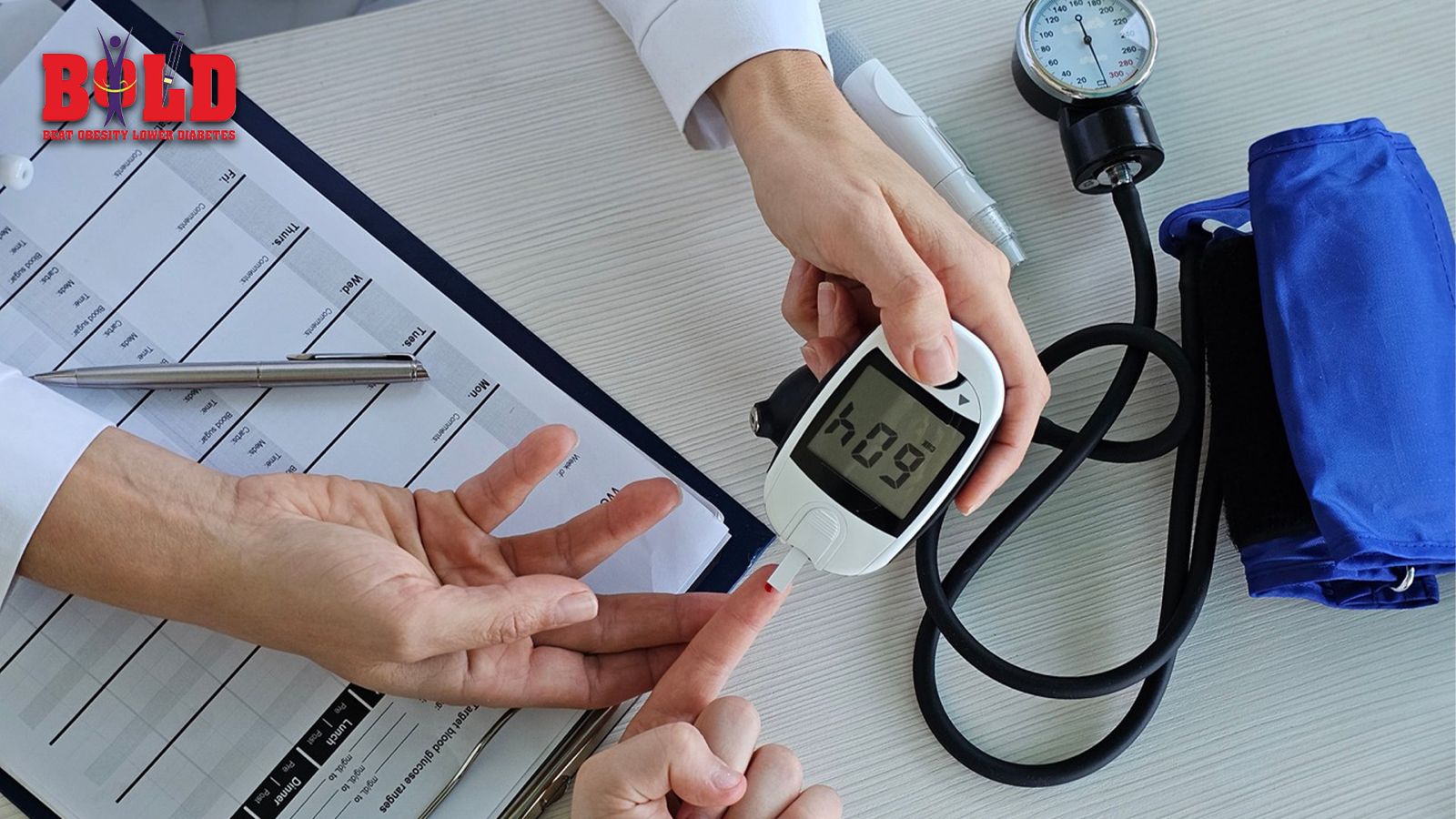
An ICMR-INDIAB study found 101 million Indians living with diabetes and another 136 million prediabetics.

Synopsis: The RSSDI’s 2026 diabetes guidelines recommend universal prediabetes screening for adults aged 30 and above, introduce one-hour glucose testing for early detection, and advocate individualised treatment. The recommendations also emphasise weight management, lifestyle changes, cardiovascular and kidney risk assessment, diabetes remission and technology-assisted monitoring.
India’s leading diabetes association has recommended screening all adults aged 30 years and above for prediabetes, while introducing a one-hour blood glucose measurement as an additional tool to identify people at risk of developing Type 2 diabetes.
The recommendations, issued by the Research Society for the Study of Diabetes in India (RSSDI), also marked a shift in how Type 2 diabetes is treated. It suggested shunning the routine of prescribing metformin as the first drug for every patient. Instead, the association urged selecting medicines based on individual health conditions, cardiovascular and kidney risks, weight and treatment priorities.
The RSSDI Clinical Practice Recommendations for the Management of Type 2 Diabetes Mellitus 2026, published in the International Journal of Diabetes in Developing Countries on 5 November, covered 34 areas of diabetes prevention, diagnosis, treatment and management. They bring together recommendations from a large national consensus group of clinicians and specialists.
The document cited estimates from an ICMR-INDIAB study, which found 101 million Indians living with diabetes and another 136 million prediabetics. It argued that early identification and intervention are important in India, considering the relatively rapid prediabetes to diabetes transition.
“Prediabetes is a heterogeneous metabolic condition rather than a uniform precursor to T2DM,” the recommendations noted while highlighting differences in the underlying metabolic abnormalities and the likelihood of progression among individuals.
Also Read: Vitamin B12 deficiency affects six in 10 adult men
A significant addition to the recommendations is using a one-hour plasma glucose measurement after a 75-g oral glucose tolerance test (OGTT).
The RSSDI endorsed the International Diabetes Federation’s position on using this measurement to identify intermediate hyperglycaemia. A one-hour plasma glucose level of 155 mg/dL or higher indicated intermediate hyperglycaemia, while 209 mg/dL or higher has been proposed as a threshold for diabetes.
The recommendations recognised four criteria for identifying prediabetes or intermediate hyperglycaemia:
The document said the one-hour test identified high-risk individuals earlier than conventional fasting glucose or two-hour glucose measurements, particularly among Asian Indians, who may develop metabolic abnormalities at comparatively lower body mass index levels.
However, the recommendations cautioned against depending exclusively on HbA1c in certain individuals. Iron-deficiency anaemia, altered red blood cell turnover, and haemoglobin disorders could affect the accuracy of HbA1c measurements. In such situations, glucose-based testing should be preferred.
The RSSDI recommended screening all adults aged 30 years and above for prediabetes. Those below 30 should also be screened if they have risk factors such as overweight or obesity, central obesity, family history of diabetes, hypertension, dyslipidaemia, polycystic ovarian conditions, psychological stress or sedentary lifestyles.
It also recommended screening for women with a history of gestational diabetes, requiring lifelong surveillance, every one to three years.
Also Read: How high blood sugar can damage organs in 20- and 30-year-olds before diagnosis
The 2026 recommendations introduced an important change in how oral antidiabetic medicines are prescribed.
Metformin has traditionally been prescribed as the first-line drug alongside lifestyle interventions for people diagnosed with Type 2 diabetes. However, the RSSDI recommended individualising the first-line medication based on the patient’s clinical condition and treatment priorities.
“Depending on the patient’s needs and treatment priorities, the first choice should be individualised out of available options,” the guidelines said.
The document identified several classes of medicines that doctors may consider, including sodium-glucose cotransporter-2 inhibitors (SGLT2i), glucagon-like peptide-1 receptor agonists (GLP-1 RA), dipeptidyl peptidase-4 inhibitors (DPP-4i), sulphonylureas and thiazolidinediones.
The choice would depend on factors such as kidney function, heart failure, established cardiovascular disease, obesity, blood glucose levels, affordability and the patient’s ability to tolerate the medication.
For instance, SGLT2 inhibitors and GLP-1 receptor agonists may be prioritised in patients with specific cardiovascular or kidney-related conditions because of their benefits beyond lowering blood glucose.
Metformin, meanwhile, continued to have an important role, particularly because of its efficacy, safety and affordability. It may also be combined with other medicines when clinically indicated.
The recommendations additionally stressed the need to monitor vitamin B12 levels in people taking metformin over the long term.
Also Read: US recommends regular prostate cancer screening for men aged 50-69
Despite the expanding availability of newer medicines, the RSSDI maintained that medical nutrition therapy and lifestyle modification should remain the first-line interventions for preventing and managing Type 2 diabetes.
The recommendations called for diets that prioritise complex carbohydrates, whole grains, millets, pulses, vegetables and fruits, while limiting refined carbohydrates, polished rice, white bread, sweets and sugar-sweetened beverages.
They recommended obtaining 49–54% of daily calories from carbohydrates, with an emphasis on the quality of carbohydrates rather than merely their quantity.
The guidelines also recommended dietary fibre intake of at least 25–30 grams a day and protein intake of approximately 0.8–1 gram per kg of body weight for most adults, with adjustments based on age, physical activity and kidney function.
On physical activity, the RSSDI recommended at least 150 minutes of moderate-intensity aerobic exercise every week, spread across three or more days. People should do resistance training two to three times a week.
The document also recommended interrupting prolonged sitting every 30 minutes with light physical activity and getting seven to nine hours of quality sleep.
For people with obesity and diabetes, weight reduction is an important treatment goal. The guidelines identified sustained weight loss of 10–15 kg as the strongest predictor of remission in the relevant intervention context.
They also recognised structured low-energy diets, total diet replacement programmes and metabolic surgery as possible approaches for selected individuals.
Also Read: Diabetes no longer an old-age illness, geography plays a role too!
The recommendations gave greater attention to diabetes remission, particularly among people with shorter disease duration.
The RSSDI defined remission as an HbA1c level below 6.5% that occurs spontaneously or following an intervention and persists for at least three months without usual glucose-lowering medication.
However, remission did not mean a person was permanently cured of diabetes.
The guidelines recommended continued monitoring of blood glucose and diabetes-related complications even after remission. They also called for HbA1c testing at least annually to assess whether remission has been maintained.
The document stated that the amount of weight lost is associated with the likelihood of long-term remission. It also recommended lifelong nutritional supplementation for people who undergo bariatric surgery, including multivitamins, calcium, vitamin D, vitamin B12, iron and protein.
Also Read: When diabetes strikes the undernourished: The rise of type 5
The RSSDI recommendations emphasised that diabetes management should extend beyond controlling blood glucose levels.
Doctors are advised to assess cardiovascular risk, kidney function, blood pressure, cholesterol and obesity while deciding treatment.
The document also devoted a separate section to metabolic dysfunction-associated steatotic liver disease (MASLD), which commonly coexists with diabetes and obesity.
For people with diabetes and MASLD, the recommendations called for weight reduction of at least 7–10%, dietary changes and appropriate monitoring.
The guidelines also covered diabetic retinopathy, neuropathy, kidney disease, diabetic foot complications, peripheral arterial disease and stroke.
The emphasis was on identifying complications early rather than waiting for patients to develop symptoms or advanced disease.
Also Read: In India, it’s not the job, it’s the stress behind Type 2 diabetes
The 2026 recommendations also discussed the growing role of technology in diabetes management, including continuous glucose monitoring (CGM), insulin pumps and digital health platforms.
CGM can help patients and clinicians identify glucose fluctuations that conventional periodic blood glucose testing may miss.
The recommendations discussed its use in selected patients and special situations, including pregnancy and insulin-treated diabetes.
However, the document did not recommend routine CGM use for diagnosing prediabetes. It noted that artificial intelligence and CGM may have potential roles in risk assessment and monitoring, but their routine application in prediabetes diagnosis has not been established.
Also Read: Rice, ragi, or wheat — what people with diabetes should eat
The guidelines also addressed the increasing recognition of Type 2 diabetes among children and adolescents, recommending attention to obesity, family history and metabolic risk factors.
For pregnant women with pre-existing diabetes, the recommendations emphasised preconception counselling, glucose control and multidisciplinary care involving diabetologists, obstetricians and dietitians.
The RSSDI stated that diabetes alone is not an indication for preterm or caesarean delivery. Pregnancy may continue up to 39–40 weeks if maternal metabolic parameters are satisfactory and there are no indications of adverse fetal growth or other complications.
For older adults, the guidelines recommended individualising treatment according to functional status, frailty, comorbidities and life expectancy. Avoiding hypoglycaemia and maintaining nutritional status and physical function are important considerations.
Overall, the 2026 recommendations sought to move diabetes care beyond a uniform approach centred on blood glucose reduction. By combining earlier screening, individualised drug selection, weight management and systematic monitoring of complications, the RSSDI placed greater emphasis on preventing the long-term consequences of diabetes.
The document also acknowledged that implementation remains a challenge in India, citing low awareness, inadequate screening, shortages of trained diabetes educators, socioeconomic barriers and weak long-term follow-up systems.
It called for stronger community-based prevention programmes and improved access to affordable care, particularly among underserved populations.
(Edited by Majnu Babu).



