

Published Mar 23, 2026 | 7:00 AM ⚊ Updated Mar 23, 2026 | 7:00 AM

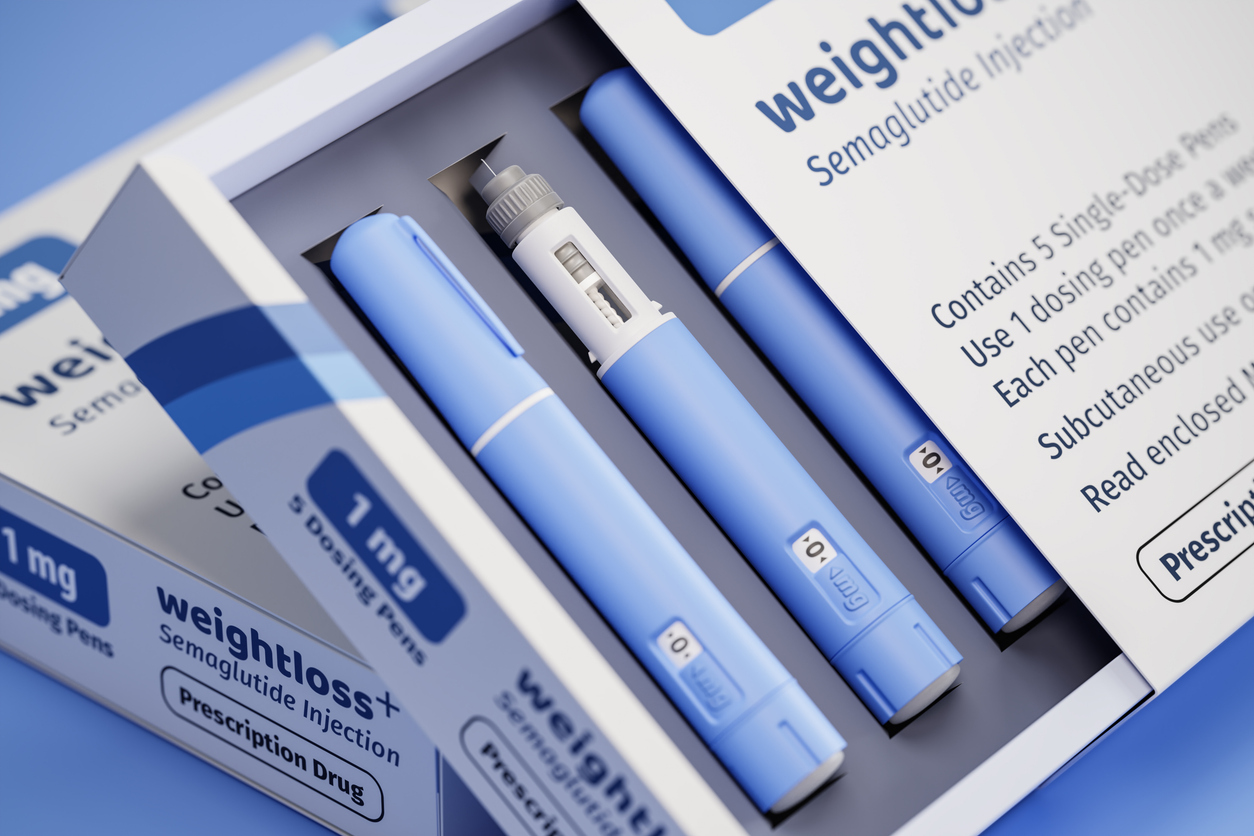
Representational image. Credit: iStock
Synopsis: Six Indian pharma firms launched generic semaglutide after patent expiry, slashing monthly costs from ₹8,800–₹10,850 to as low as ₹1,300. With crores of Indians affected by diabetes and obesity, access is expanding rapidly. Yet studies warn of weight regain and muscle loss after stopping, highlighting the need for sustained care, lifestyle support, and regulatory vigilance.
On 21 March, the day after semaglutide lost patent protection in India, at least six domestic pharmaceutical companies, Dr Reddy’s, Sun Pharma, Zydus Lifesciences, Glenmark, Alkem, and Natco, launched generic versions of the drug.
Monthly treatment costs fell overnight from ₹8,800-₹10,850 for Novo Nordisk’s branded doses to as little as ₹1,300 for vial-based formats. Some formats undercut the innovator price by up to 90%.
For a country with over 10 crore adults living with diabetes and an estimated 25 crore with obesity, this is a significant moment. GLP-1 drugs, long discussed in India but out of reach for most, suddenly look accessible. Analysts project the market could expand fivefold within five years.
But as crores of Indians prepare to start these drugs for the first time, two new studies raise a question that is getting far less attention than the price collapse: what happens to your body when you stop?
The conventional wisdom on stopping GLP-1 drugs is alarming. A meta-analysis published in eClinicalMedicine by researchers at the University of Cambridge, which analysed 48 studies covering over 3,200 patients, found that people regain an average of 60 percent of their lost weight within a year of stopping.
The half-life of weight regain was just 23 weeks, meaning half of all the weight that would eventually return had already come back within six months.
The mechanism is straightforward.
“Drugs such as Ozempic and Wegovy act like brakes on our appetite, making us feel full sooner, which means we eat less and therefore lose weight,” explained Brajan Budini, a medical student at the University of Cambridge who worked on the study.
“When people stop taking them, they are essentially taking their foot off the brake, and this can lead to rapid weight regain.”
To put it in concrete terms: someone who lost 20 kg on treatment would typically regain around 12 kg within the first year, then another 3 kg over subsequent months, eventually settling at about 5 kg below their original weight.
But the Cambridge findings come almost entirely from randomised controlled trials, tightly controlled settings where patients stop the drug and receive no alternative support. That is not how most patients behave in the real world.
A large real-world study from Cleveland Clinic, published in the journal Diabetes, Obesity and Metabolism, tells a considerably different story. Researchers followed 7,938 patients who had stopped injectable semaglutide or tirzepatide between three and twelve months after starting.
One year after stopping, the average weight regain in the obesity group was just 0.5 percent. Patients being treated for type 2 diabetes actually lost a further 1.3 percent of body weight on average.
The gap between the trial data and the real-world data comes down to one thing: people do not simply stop and do nothing. In the Cleveland Clinic cohort, 20 percent restarted their original medication, 27 percent switched to a different drug, and 14 percent continued their care through lifestyle modification visits with dietitians or exercise specialists.
“Our real-world data show that many patients who stop semaglutide or tirzepatide restart the medication or transition to another obesity treatment, which may explain why they regain less weight than patients in randomised trials,” said Dr Hamlet Gasoyan, who led the Cleveland Clinic study.
He added: “Many patients do not give up on their obesity treatment journey, even if they need to stop their initial medication.”
There was still considerable individual variation. Among obesity patients, 55% gained weight in the year after stopping, while 45% either continued to lose weight or stayed the same. Stopping a GLP-1 drug is not, on average, a disaster, but it is not consequence-free either.
The Cambridge study raised a concern that deserves far more attention in India’s current conversation about these drugs. During treatment, 40 percent to 60 percent of the weight lost on GLP-1 drugs is not fat, it is muscle.
“There are significant concerns about the long-term consequences of GLP-1 drugs on body composition,” the Cambridge researchers noted, adding that no large-scale study has yet measured what happens to body composition during the weight regain phase.
Budini put the risk plainly: “If the regained weight is disproportionately fat, individuals may ultimately be worse off than before in their fat-to-lean mass ratio, which may have adverse consequences for their health.”
Consider what this means in practice. A person who lost 20 kg may have lost 8-12 kg of that as muscle. If the 12 kg they regain after stopping arrives predominantly as fat, they weigh less than before, but carry more fat and significantly less muscle. Less muscle means a slower metabolism, reduced strength, greater risk of falls and fractures, and poorer long-term health despite a lower number on the weighing scale.
For India, where the conversation around these drugs has been almost entirely about price and access, this question is barely on the radar.
The Cleveland Clinic study found something that maps directly onto India’s situation. Patients being treated for type 2 diabetes were significantly more likely to restart their medication after stopping, 23.5 percent did so, compared to only 14.2 percent of those treated for obesity. The primary reason was insurance coverage.
“The insurance coverage for these medications currently is much broader for the diabetes indication compared to the obesity indication,” Dr Gasoyan’s team noted in the study.
India does not have meaningful insurance coverage for obesity treatment at all. Most patients pay out of pocket, which was the dominant reason people stopped taking these drugs even before prices fell.
The Cleveland data show that cost is the most common reason for discontinuation, and that people who stop due to cost tend to do so later in treatment, after they have already invested months of time and money.
This creates a particular problem for Indian patients. Even at ₹1,300 to ₹4,200 a month, sustained use over years remains a stretch for many. And the Cleveland study makes clear that what happens after stopping depends heavily on access to follow-up care, alternative medications, or structured lifestyle support.
Steven Luo, a researcher on the Cambridge study, was direct about what patients and doctors need to do differently. “When stopping weight loss drugs, doctors and patients should be aware of the potential weight regain and consider ways to mitigate this risk,” he said.
“It is important that people are given advice on improving their diet and exercise, rather than relying solely on the drugs, as this may help them maintain good habits when they stop taking them.”
The price collapse in India is genuinely historic. With over 40 companies racing to launch more than 50 brands, prices are projected to fall a further 40-50 percent in the next financial year. For crores of Indians who could not previously afford these drugs, that is real progress.
But India’s drug regulator, the CDSCO, has already moved to ban direct-to-consumer advertising of these drugs, a sign that authorities are alert to the risks of unmonitored mass adoption. Dr V Mohan, one of India’s most prominent diabetologists, has called for strict pharmacovigilance and Indian-specific safety data as access widens.
The science is clear that access to the drug is only the beginning of the treatment journey. The Cambridge data show that weight returns rapidly once the brake is removed. The Cleveland data show that outcomes are far better when patients have somewhere to go after stopping, a different drug, a specialist, a structured programme.
“In our future work, we will examine the comparative effectiveness of alternative treatment options for obesity in patients who discontinue semaglutide or tirzepatide, to help patients and their clinicians make informed decisions,” Dr Gasoyan said.
Most Indian patients starting these drugs in the coming months will not have those options readily available. Cheap drugs without sustained support may produce a cycle of starting, stopping, and regaining. That would be a missed opportunity at a moment of genuine potential for India’s obesity and diabetes burden, one measured not in millions, but in crores.


