

Published Apr 12, 2026 | 9:38 AM ⚊ Updated Apr 12, 2026 | 9:38 AM

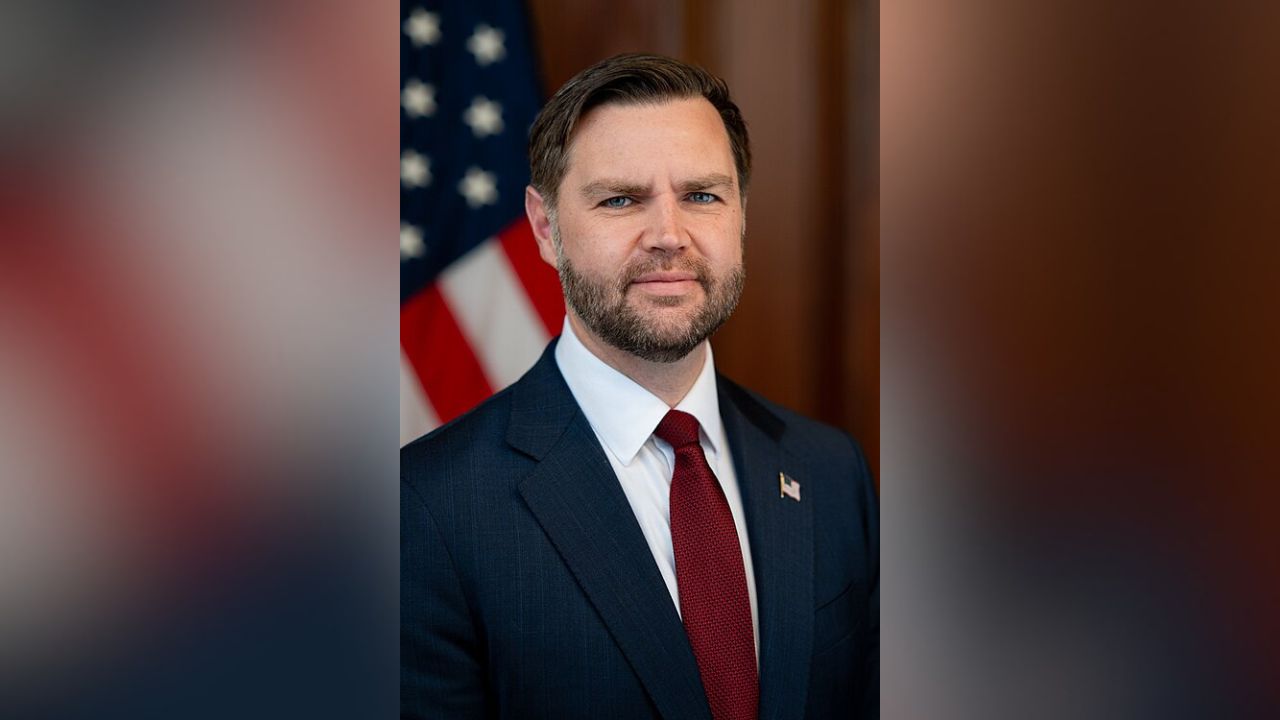
The peace talks were headed by US Vice President JD Vance
Synopsis: The peace talks between the US and Iran failed to conclude, as both sides could not reach an agreement. US Vice President JD Vance said the US delegation failed to reach an agreement with Iran because the latter chose not to accept Washington’s terms. However, Iran blamed the breakdown on “unreasonable” and “excessive” demands by the US.
The peace talks between the US and Iran in Islamabad, Pakistan, failed to conclude, as both sides could not reach an agreement after 21 hours of continuous negotiations.
US Vice President JD Vance said the US delegation failed to reach an agreement with Iran because the latter chose not to accept Washington’s terms.
However, Iranian state media blamed the breakdown on “unreasonable” and “excessive” demands by the US.
Iranian news agency, Tasnim, quoted an informed source as saying that the “ball is in America’s court” and that “Iran is in no hurry” to negotiate.
“Iran presented reasonable initiatives and proposals in the negotiations. The ball is in America’s court to look at the issues realistically,” the source said.
Vance said that he and his team were leaving Pakistan without reaching an agreement. He left the scope of Iranians accepting the “best and final offer” from the US.
“We’ve had a number of substance agreements with the Iranians — that is the good news. The bad news is that we have not reached an agreement. That is bad news for Iran, much more than it is bad news for the United States of America. We go back to the United States having not come to an agreement”, Vance said.
“We just could not get to a situation where the Iranians were willing to accept our terms,” he added.
He said that while the US had been very “flexible and accommodating”, the talks could not make a headway.
“We leave here with a very simple proposal — a method of understanding that is our final and best offer. We’ll see if the Iranians accept it,” the US vice president added.
Iran’s Press TV reported that the talks ended after the US’s “excessive demands prevented a framework from being reached”.
Esmaeil Baqaei, spokesperson for Iran’s Ministry of Foreign Affairs, said the success of the diplomatic process depends on the seriousness and good faith of the opposing side, refraining from excessive demands and unlawful requests, and the acceptance of Iran’s legitimate rights and interests.
He said discussions were held on various dimensions of the main negotiation topics, including the Strait of Hormuz, the nuclear issue, war reparations, lifting of sanctions, and the complete end to the war against Iran and in the region.
“Diplomacy for us is the continuation of the sacred jihad of the defenders of the Iranian land. We have not forgotten and will not forget the experiences of America’s breaches of promise and malicious acts. Just as we will not forgive the heinous crimes committed by them and the Zionist regime during the course of the second and third imposed wars,” he said in an X post.
He said Iranian negotiators employed all their capabilities, experience, and knowledge to safeguard Iran’s rights and interests.
“The heavy loss of our great elders, dear ones, and fellow countrymen has made our resolve to pursue the Iranian nation’s interests and rights firmer than ever before. Nothing can or should deter us from pursuing our great historical mission toward our beloved homeland and noble Iranian civilisation. The Islamic Republic of Iran is determined to utilise all tools, including diplomacy, to secure national interests and protect the country’s well-being,” Baqaei said.


