

Published Feb 01, 2026 | 3:07 PM ⚊ Updated Feb 01, 2026 | 3:07 PM

Pothigai Malai
Synopsis: The Budget’s tourism vision is not limited to forests and hills. It also places heritage and health tourism into a unified growth model. The proposal to develop 15 archaeological sites into experiential destinations, including places like Sarnath and Hastinapur.
The Western Ghats have always been more than a mountain range for Kerala and Tamil Nadu. They are home to indigenous communities, the birthplace of rivers, temples of ancestors and legends, a paradise of medicine, and corridors of life and economy.
In Union Budget-2026-27, tourism is no longer treated as a side story of leisure but as a serious development tool- especially for ecologically rich and culturally layered regions like the Western and Eastern Ghats.
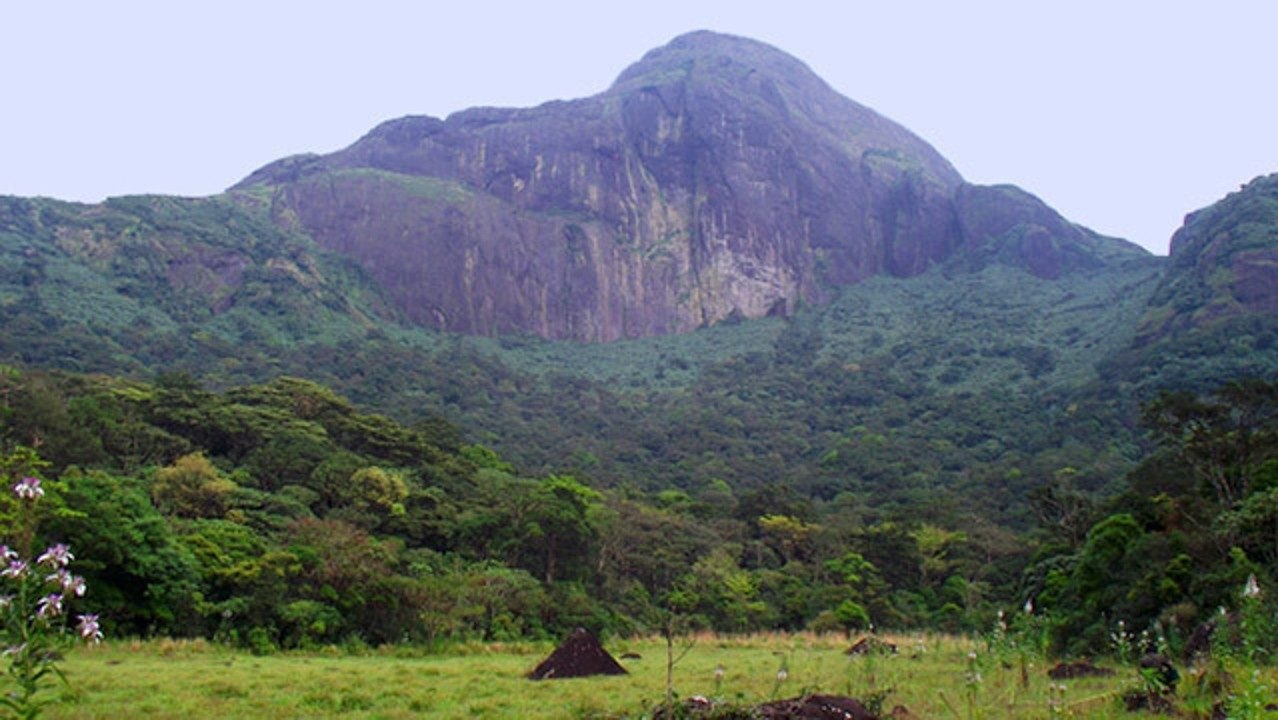
Among the many announcements, one location attracted the most — Pothigai Malai (known as Agasthyarkoodam in Kerala), a peak considered sacred on the Kerala–Tamil Nadu border.
By placing trekking, nature trails, heritage conservation, and medical tourism hubs at the heart of policy, the Union Budget signals a shift from mass tourism to experience-led, sustainable tourism.
For southern states, particularly Kerala and Tamil Nadu, this opens a new chapter.
Pothigai Malai rises from the southern end of the Western Ghats like a spiritual sentinel.
Known in legend as the abode of Sage Agathiyar (Agasthya) and linked by some traditions to the ancient Mount Potalaka, it is equally revered for its ecological richness.
It forms part of the Agasthyamalai Biosphere Reserve, one of the most biodiverse landscapes in India, home to rare medicinal plants and indigenous communities like the Kanikkarans.
The Union Budget has proposed the development of ecologically sustainable mountain trails in Himachal Pradesh, Uttarakhand, Jammu and Kashmir, and in Pothigai Malai in the Western Ghats.
This is not a routine trekking announcement. It marks the formal entry of one of India’s most fragile and sacred landscapes into a national tourism vision based on conservation-first access. For Kerala and Tamil Nadu, this matters deeply.
The western slopes fall in Thiruvananthapuram and Kollam districts of Kerala, while the eastern and southern slopes extend into Tirunelveli and Kanniyakumari districts of Tamil Nadu.
A carefully managed trekking network here can generate local livelihoods through forest guides, eco-stays, transport, and interpretation centres without opening the door to destructive tourism.
In regions where rivers like the Thamarabarani originate, and forests protect coastal areas from climate extremes, tourism becomes a tool of stewardship.
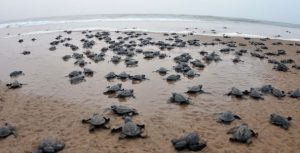
Turtle trails nesting sites in Kerala, Karnataka, and Odisha
Alongside the Western Ghats, Budget 2026 also turns attention to the Eastern Ghats, particularly Araku Valley in Andhra Pradesh’s Alluri Sitharama Raju district, which is set to be developed as part of India’s new eco-trekking network.
This balances the tourism map of the country by giving prominence to landscapes often overshadowed by the Himalayas or beach circuits.
In southern India, the announcements go beyond mountains.
The proposal to develop turtle trails along nesting sites in Kerala, Karnataka, and Odisha, and bird-watching trails around Pulicat Lake in Andhra Pradesh and Tamil Nadu, introduces an idea that wildlife protection can be a tourism narrative.
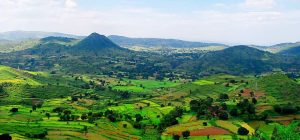
Araku Valley
For Kerala, which already brands itself as a nature-first destination, turtle trails link conservation with coastal communities.
For Tamil Nadu and Andhra Pradesh, Pulicat Lake’s migratory birds gain national recognition as a tourism asset rather than just a wetland.
Together, these trails create a connected geography of slow tourism—walking, watching, learning.
This is especially relevant for districts in the Western and Eastern Ghats, where employment options are limited, and migration is common.
The Budget’s tourism vision is not limited to forests and hills. It also places heritage and health tourism into a unified growth model. The proposal to develop 15 archaeological sites into experiential destinations, including places like Sarnath and Hastinapur.

Kerala’s long association with Ayurveda positions it as an anchor of medical value tourism. (Kerala Tourism)
While many of these sites lie outside the south, the model benefits Kerala and Tamil Nadu through tourism circuits that link culture, medicine, and nature.
This is reinforced by the announcement of five Regional Medical Tourism Hubs, which will integrate hospitals, diagnostics, AYUSH centres, research, and rehabilitation. Southern states, with their strong healthcare infrastructure, are natural candidates for this ecosystem.
Kerala’s long association with Ayurveda positions it as an anchor of medical value tourism.
The creation of a National Institute of Hospitality and the training of 10,000 tourist guides through professional programmes further ensures that the experience of visitors matches global standards. This matters particularly in fragile regions, where poorly trained tourism can lead to environmental damage and cultural misrepresentation.
By highlighting the Eastern Ghats, Western Ghats, and southern biodiversity corridors alongside industrial and heritage projects, tourism becomes a tool of spatial justice.
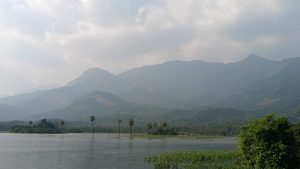
For Kerala, Western Ghats are climate shields and water towers. For TN, they are lifelines feeding rivers and sustaining agriculture. (South First).
For Kerala, the Western Ghats are climate shields and water towers. For Tamil Nadu, they are lifelines feeding rivers and sustaining agriculture. Tourism initiatives that respect this reality can build southern pride while generating income for locals.
The Budget also complements these efforts with a sharp reduction in TCS on overseas tour packages to 2%, which will stimulate outbound travel and strengthen the tourism industry’s financial base, which will be benefiting operators, guides, and hospitality workers across southern states.
Budget 2026 quietly reshapes the idea of tourism in India’s south. It is no longer just about beaches and backwaters, but about peaks like Pothigai Malai, forests of the Eastern Ghats, turtle nesting shores, and bird-filled wetlands.
(Edited by Majnu Babu).


