

Published Sep 17, 2026 | 9:00 AM ⚊ Updated Sep 17, 2026 | 9:00 AM

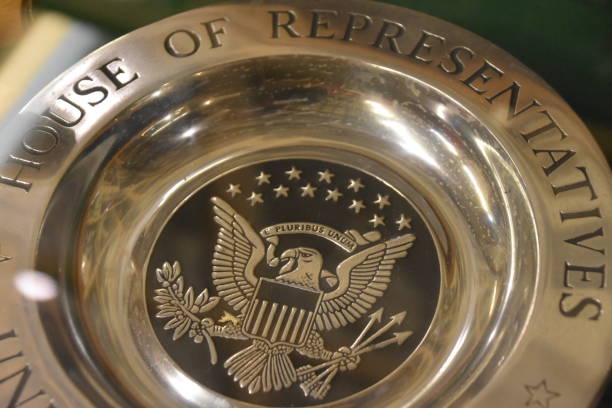
The US House of Representatives passed the Russia Sanction Bill by a 262-159 vote on Wednesday, 16 September (iStock).

Synopsis: The Bill creates two new authorities. It allows the US Trade Representative to impose tariffs of up to 100 percent (down from the previous 500 percent) on Russian oil importers. Additionally, it permits the White House to waive sanctions upon providing a national security justification and certification.
The US House of Representatives passed the Russia Sanction Bill by a 262-159 vote, giving President Donald Trump sweeping powers to impose tariffs of up to 100 percent on major Russian oil importers. The Bill now awaits the president’s assent.
According to estimates, India is the second-largest buyer of Russian oil after China. The Bill targets Russian officials, banks and that country’s energy trade.
Championed by the late US Senator Lindsey O. Graham, the Sanctioning Russia Act gained momentum in the US Congress after 60 senators co-sponsored the revised version, aimed at reducing the Kremlin’s oil revenues by imposing tougher sanctions on Russia’s energy and financial sectors.
The Graham Sanctioning Russia and Iran Act, 2026, gained further momentum on Tuesday, 15 September, after two Democrats broke ranks to vote alongside Republicans.
The US Senate had passed the Bill on 7 August with an 86-11 vote. The legislation would give Trump broad, unchecked authority to impose tariffs. It would also empower the US to impose sanctions on tankers in the “shadow fleet” that help Russia circumvent restrictions on oil movement.
Washington pushed for the legislation, arguing that the Kremlin’s crude oil revenues were funding the war in Ukraine.
The legislation would give Trump broad authority to impose tariffs without sufficient checks.
Beyond the bipartisan Shadow Fleet Sanctions Act, the Bill allows the creation of two new authorities. It allows the US Trade Representative to impose tariffs of up to 100 percent (down from the previous 500 percent) on Russian oil importers. Additionally, it permits the White House to waive sanctions upon providing a national security justification and certification.
India is likely to face higher US tariffs unless it significantly slashes Russian oil imports. China may counter the US with reciprocal tariffs. However, the tariff rate would now depend on Trump’s decision.
Earlier, the White House imposed sanctions on India in April 2025, but rolled them back to 18 per cent from 50 per cent. The rollback followed an agreement between Prime Minister Narendra Modi and Trump in February 2026. India had then committed to curb Russian purchases.
However, the plan fell apart within weeks due to the US-Israel war on Iran and the subsequent closure of the Strait of Hormuz, which impacted India’s imports of petroleum from the Middle East.
If the Bill passes through the House of Representatives, India will have to explore alternatives to keep the country running.
Russian President Vladimir Putin was in New Delhi last weekend for the 18th edition of the two-day BRICS Summit from 12 September.
(Edited by Majnu Babu).



