

Published Jun 17, 2026 | 10:08 AM ⚊ Updated Jun 17, 2026 | 10:19 AM

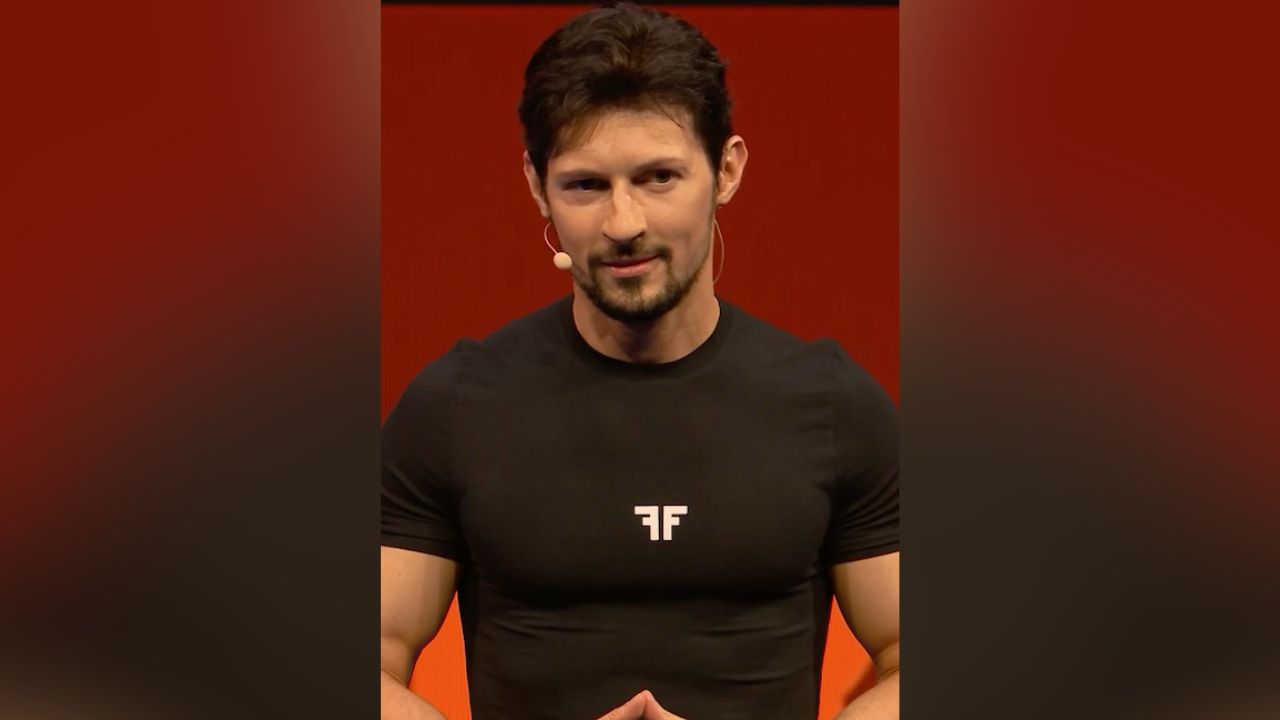
Pavel Durov.

Synopsis: Telegram founder and CEO, Pavel Durov, claimed that Reliance is blocking user access to the app outside India using BGP hijacking. Durov claimed that the action might be part of a competitive war since Meta has partial ownership of Reliance.
Following the Union government’s ban on the messaging platform Telegram till 22 June, its founder and CEO, Pavel Durov, claimed that Reliance is blocking user access to the app outside India using BGP hijacking
“Indian telecom Reliance is sabotaging access to Telegram for millions of users OUTSIDE India (including the UAE) via a rogue method called BGP hijacking. The sabotage seems intentional, as Reliance has ignored multiple reports,” Durov wrote in a post on X.
According to Cloudflare, BGP hijacking is when attackers maliciously reroute Internet traffic. Attackers accomplish this by falsely announcing ownership of groups of IP addresses, called IP prefixes, that they do not actually own, control, or route to.
Meanwhile, tech expert Pranesh Prakash confirmed the BGP hijacking by Reliance.
Also Read: Union government bans Telegram in India till 22 June for NEET (UG) 2026 re-exam
Durov claimed that the action might be part of a competitive war since Meta has partial ownership of Reliance. “This may be part of a competitive war, as Reliance is partially owned by Meta — the company behind WhatsApp,” he said.
Further, he advised network operators to reject unauthorised BGP announcements from Reliance (AS18101) to prevent route hijacks and ensure stable Internet access for their users.
“Such abuse of global Internet routing is alarming. I wouldn’t be surprised if Reliance/WhatsApp were also behind the recent lobbying effort to ban Telegram in India,” he added.
Meanwhile, responding to an X post of MP Karti Chidambaram questioning the ban on Telegram, the official account of the application made a sarcastic reply asking the government to close down shopping malls and roads.
“You should also shut down all the shopping malls since there might be a theft in one of them. And close the roads because I heard someone was speeding,” it said.
However, Prakash said the hijacking could be unintentional.
“How did this happen? It looks like a “local block” gone wrong. Reliance was likely trying to redirect Telegram traffic internally within India to comply with the s.69A blocking order, but misconfigured their filters, leaking the hijack to the global internet.”
Disagreeing with Durov, Prakash said, “He thinks the BGP hijacking was intentional, and I think it highly unlikely to be intentional; it was incompetence. The bar for this being intentional is really high. So far I’ve seen zero evidence.”
Wow. Reliance Communications has engaged in BGP hijacking of Telegram’s IP prefixes and is leaking it globally via FLAG Telecom (AS15412) and affecting traffic far beyond India. (Is this an accident?)
It is still live:
cc: @anurag_bhatia @Squeal @kingslyj @AroonDeep @Aditi_muses pic.twitter.com/gVf9ddmMFC— Pranesh Prakash (@pranesh) June 16, 2026
Earlier, the Ministry of Electronics and Information Technology issued a notification under Section 69A of the Information Technology Act, 2000, restricting access to messaging platform Telegram in India till 22 June, covering the day of the NEET (UG) 2026 re-examination.
In a press release on 16 June, the National Testing Agency (NTA) said a direction has also been issued requiring the platform to disable the message-editing feature in respect of messages already posted, for a defined period ending 30 June.
On 12 May, the NTA had cancelled the NEET UG 2026 examination held on 3 May, confirming a question paper leak allegedly via Telegram groups. The reexamination has been scheduled for Sunday, 21 June.



