

Published Jul 29, 2026 | 2:35 PM ⚊ Updated Jul 29, 2026 | 2:35 PM

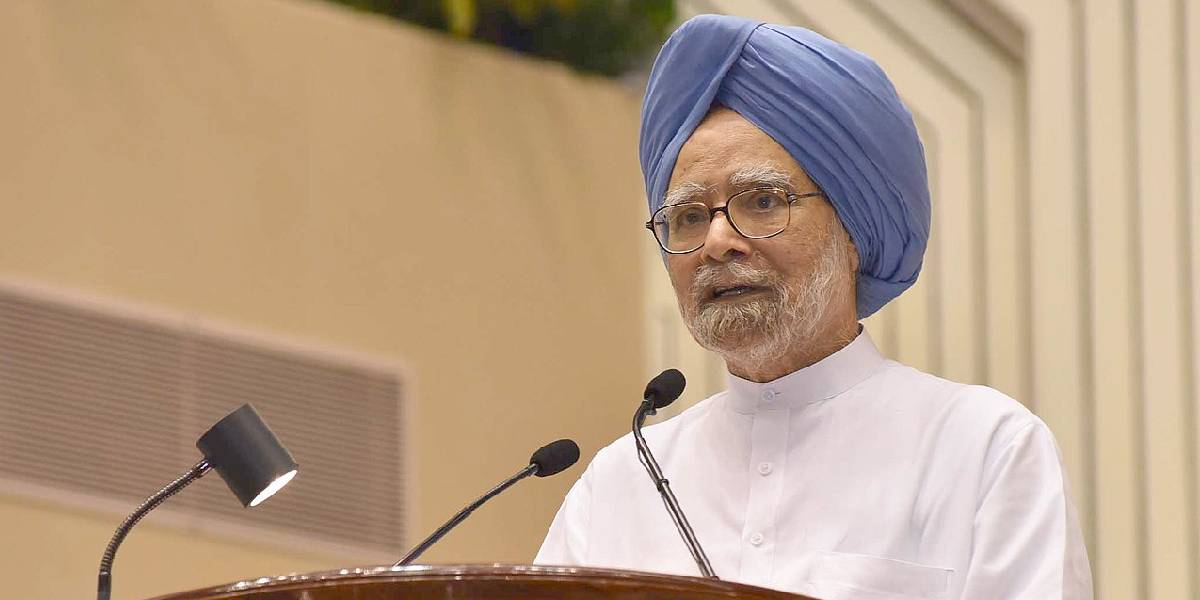
Former Prime Minister Dr Manmohan Singh.

Synopsis: The apex court noted that the Special Judge had failed to apply the settled principles governing acceptance of CBI’s two back-to-back closure reports filed in 2014. The Bench of Chief Justice Surya Kant then closed the case, effectively acquitting Dr Manmohan Singh.
The Supreme Court on Wednesday, 29 July, closed a criminal case against former prime minister, the late Dr Manmohan Singh, in the high-profile coal block allocation case.
A Bench of Chief Justice Surya Kant and Justices Joymala Bagchi and V. Mohana accepted the CBI’s closure report, giving Singh a clean chit.
As a result, the former prime minister has been acquitted in the case.
Despite Singh’s demise on 26 December 2024, the court decided to examine the legality of the trial court’s order that contained adverse remarks against the Congress leader.
On behalf of Singh, Senior Advocate Kapil Sibal submitted that although the appeal could technically have become infructuous after Singh’s death, the lower court’s remarks warranted interference. He requested the court to expunge those remarks.
Senior Advocate Abhishek Manu Singhvi also argued that remarks against Singh could be effaced.
The Bench observed that the Special Judge had taken cognisance under the provisions of the Prevention of Corruption Act against six persons, including Singh. This was despite the CBI filing closure reports absolving the former premier.
“Vide the impugned order, the learned Special Judge took cognisance under the Prevention of Corruption Act against six persons, including the appellant, Dr Manmohan Singh (former Prime Minister of India). CBI, after investigation, filed closure reports thereby giving clean chit to the appellant. Nevertheless, the learned Judge turned down the closure reports and took cognizance,” Livelaw quoted from court record.
The Bench observed that the Special Judge had failed to apply the settled principles governing acceptance of CBI’s two back-to-back closure reports filed in 2014.
“There was no reason for the learned Judge to turn down the closure reports of the CBI and take cognizance,” the court observed while accepting the CBI’s closure reports and closing the matter.
The case — Coalgate, as the media had portrayed it — pertains to the allocation of Talabira-II coal block in Odisha in 2005.



