


Published Apr 05, 2026 | 11:00 AM ⚊ Updated Apr 05, 2026 | 11:00 AM

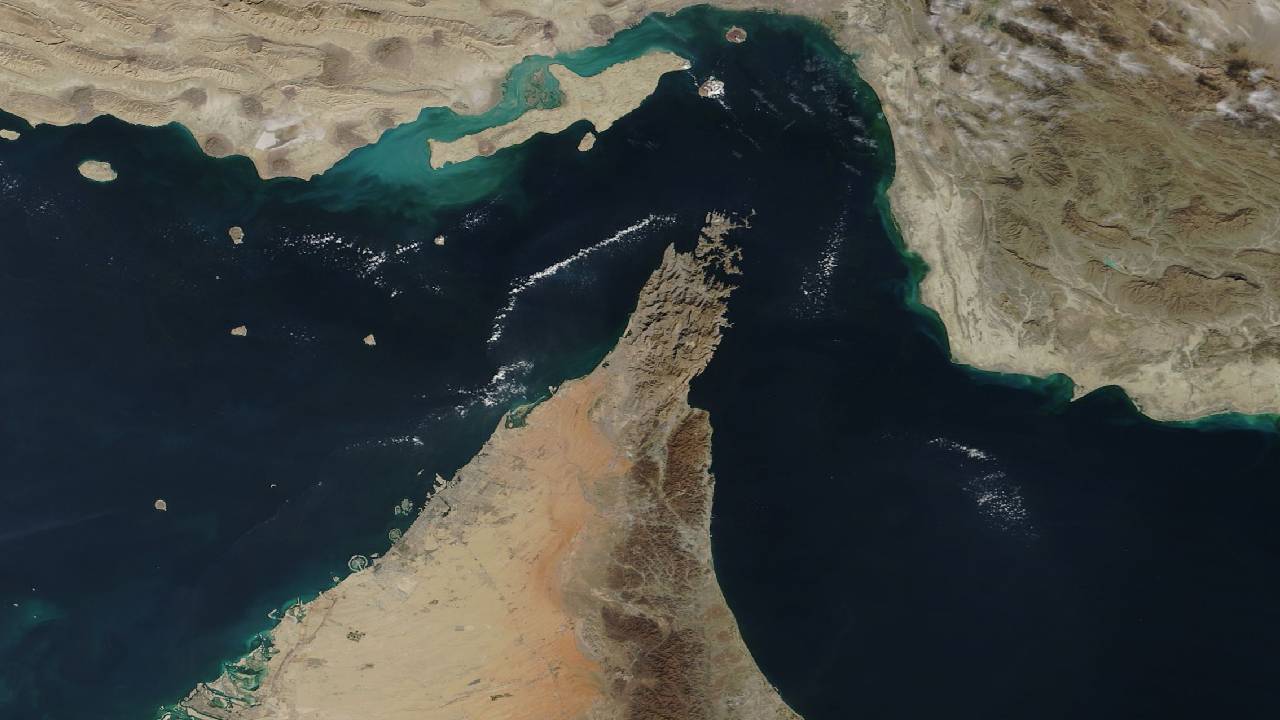
The blockage of the Strait of Hormuz has led to the "largest supply disruption in the history of the global oil market.”
Synopsis: The US-Israel war on Iran is having a cascading effect globally. The conflict and the subsequent blockade of the Strait of Hormuz have left multiple sectors concerned. If the situation prolongs, the end consumers in India, too, will face the brunt of the war.
The ripple effect of the ongoing West Asia conflict has gone beyond LPG and is seen in the supply and pricing of other consumer goods and raw materials.
The blockage of the Strait of Hormuz has created a chokepoint between the Persian Gulf and the Gulf of Oman, leading to what the International Energy Agency (IEA) described as the “largest supply disruption in the history of the global oil market.”
The US administration has sought to lower oil prices by easing sanctions on Russia and coordinating oil releases with the IEA. However, this has not prevented the war from impacting the global oil prices.
Plastic shortage
According to the Centre for International Environmental Law, approximately 99% of global plastics are made from fossil fuels. This means that a shortage of oil due to the closure of the Strait of Hormuz has increased the cost of plastic production, thereby reducing its availability for a range of uses, from the beauty and pharmaceutical industries to everyday applications.
First, the prices of daily-use consumer goods such as disposable cutlery, bottled drinks, and plastic bags are set to surge. According to a study by Data for India, approximately 15% of urban households and 6% of rural households rely on bottled water due to groundwater contamination and general water shortages.
However, in the past month, the bottled water supplier Bisleri increased its prices by 11%, and other brands such as Bailey and Clear Premium Water followed suit. According to reports, the recent increase in bottled water prices can be attributed to rising crude oil prices, as water is primarily supplied in plastic bottles. Such an increase in input prices has come at a time of peak summer, when demand for water is high.
Crude oil is used to make Polyethene Terephthalate (PET) granules, which are then heated and moulded into PET preforms. It is these preforms that are sold to manufacturers to be shaped into their desired shape and size. While the global oil shortage has inevitably led to a shortage of preforms, it has also increased their price from ₹115 to ₹180 per kilogram. This has not only impacted the water bottle manufacturing industry, but also industries such as beauty and pharmaceuticals.
The medical industry
Jathish Sheth, Director of Srushti Pharmaceuticals and President of the Karnataka Drugs and Pharmaceuticals Manufacturers’ Association, told South First that there has been no impact of the conflict on the pharmaceutical manufacturing industry as of yet, but this will become apparent soon.
Manufacturing pharmaceutical products is a process reliant on raw materials such as aluminium, PVC, and other packaging materials, the supply of which has also been disrupted by the conflict in West Asia. Moreover, petrochemicals are a significant source of raw material, which are further used to manufacture consumer goods in this industry.
For example, the Indian condom industry is seen to have taken a hit due to the conflict. Anhydrous ammonia is a component used while manufacturing condoms to stabilise natural/raw rubber latex, while silicone oil is used as a lubricant.
About 86% of India’s anhydrous ammonia imports are sourced from West Asian countries such as Saudi Arabia, Qatar, and Oman, and there has been a significant increase (of 40% to 50%) in the price of ammonia.
When read together, there is a shortage of ammonia, as well as an increase in production costs due to its higher price. There has also been a notable rise in the price of silicone oil, thereby escalating the crisis. Such reduced production and increased prices can rapidly manifest in the form of higher rates of unintended pregnancies and sexually transmitted infections, especially in cases where alternatives are either inaccessible or expensive.
The medical devices industry has also been significantly impacted by the shortage and price rises. The Association of Indian Medical Device Industry (AIMED) has written to the central government, stating that while there is no cause for public concern yet, manufacturers are facing concerns such as price escalations, longer lead times, and higher freight and logistics costs.
The production of essential, high-volume products such as catheters, syringes, nitrile examination gloves, and other disposable medical devices has taken a hit due to the crisis. This can be attributed to an approximately 50% increase in the price of critical plastics, a 20% rise in the cost of packaging material and diesel-based self-generated power, as well as the limited supply and increased prices of Adani PNG gas.
AIMED has said that while delays of 1 to 3 weeks are manageable through buffer stocks, the prolongation of the conflict has created the risk of production slowdown, shortages at hospitals, and vulnerability to opportunistic price rises by raw material suppliers. Any continuous disruption in the supply chains of medical-grade polymers imported by India will hurt manufacturing as well as export commitments to the US and the EU, among other markets.
Fertilisers
After the US sanctions on Russia and China’s export, countries have increasingly relied on West Asian countries to meet their fertiliser demand. However, approximately a quarter of global fertiliser production passes through the Strait of Hormuz.
Furthermore, liquified natural gas (largely produced by Qatar) serves as a key ingredient in producing nitrogen fertilisers such as urea. Shipping delays due to the Strait blockade, as well as supply uncertainty, have increased prices by 19% in a week, creating financial challenges for agriculture worldwide.
On the one hand, the Government of India has stated in a media statement that there is no shortage of chemical fertilisers reported, and the availability of major fertilisers has remained adequate across the country.
On the other hand, officials globally think that if the war prolongs, it could send several million people into acute hunger.
According to Máximo Torero, the chief economist of the Food and Agriculture Organisation of the United Nations, a short-term disruption can be managed, but if it lasts for more than 3 months, it will pose risks to farmers and plantations worldwide for years to come.
The aftermath
Given that companies and manufacturers in India are bound by government-established price caps, they are absorbing most of the price increases. While it has been stated that beverage-manufacturing companies have shielded consumers from any price rise, it has also been said that this is not a feasible long-term solution. If the shortage of raw materials persists, consumers will inevitably bear the brunt.
Jatish Sheth noted that the input costs of pharmaceutical manufacturing companies have increased, but this has not been reflected in higher prices for consumers due to government-established price regulations.
However, the pharmaceutical industry has conveyed to the government the need for relief. Similarly, AIMED has also written to the Ministry of Commerce seeking relief. The Association has requested the government to instruct the Container Corporation of India (CONCOR) to maintain reasonable prices and not take advantage of the opportunity; fast track GST refunds to remedy capital distress (especially because manufacturers pay 18% GST but charge only 5% on the finished product); and avoid reducing import duties on finished medical devices to not disadvantage domestic manufacturers who are already under distress.
(Edited by Majnu Babu).


