

Published May 29, 2026 | 8:00 AM ⚊ Updated May 29, 2026 | 8:00 AM

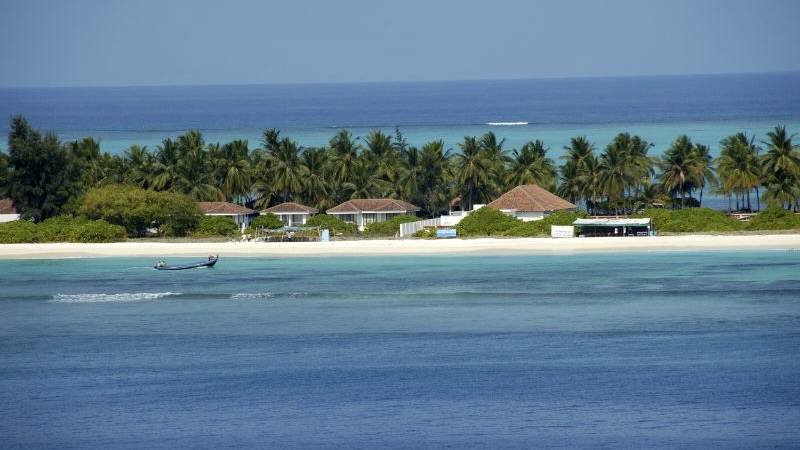
Residents of Lakshadweep argue that the proposed changes could open the door to increased commercial and tourism-related land use.

Synopsis: A proposed amendment to Lakshadweep’s tribal land protection law has triggered protests across the islands, with residents fearing it could weaken long-standing restrictions on land ownership and transfer. Islanders say the draft contains vague provisions allowing land transfers for industrial and tourism-related projects, which they fear could increase the role of outside businesses and private tourism companies in the ecologically fragile islands.
A proposed amendment to Lakshadweep’s tribal land protection law has triggered widespread protests across Lakshadweep, with islanders alleging that the amendment could gradually weaken long-standing legal safeguards protecting tribal land in the Union Territory.
The draft amendment, published by the Lakshadweep Administration for public consultation, seeks to amend the Laccadive, Minicoy and Amindivi Islands (Protection of Scheduled Tribes) Regulation, 1964, a law enacted specifically to protect the land rights, demographic character, traditional livelihoods and socio-economic security of Lakshadweep’s indigenous Scheduled Tribe population.
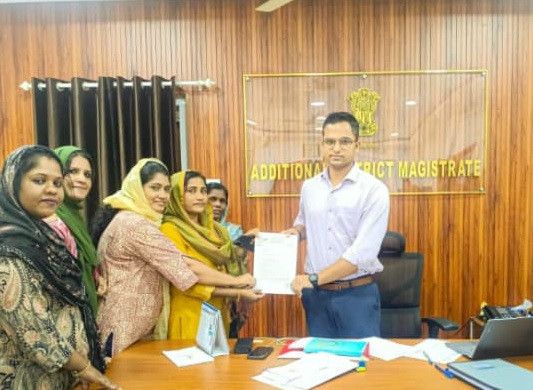
People in Lakshadweep have begun filing formal complaints against the proposed land amendment.
The Administration stated that the amendment aims to “enable timely scrutiny of land transactions at the local level, improve administrative efficiency, and safeguard the interests of the local Scheduled Tribe population.”
Objections and suggestions were invited within 30 days of the public notice.
However, residents of Lakshadweep argue that the proposed changes could open the door to increased commercial and tourism-related land use in the ecologically fragile islands, indirectly benefiting outside business groups and large tourism operators.
Under the proposed amendment, a new Section 2A would be inserted into the 1964 Regulation.
The amendment states that no agricultural land in Lakshadweep can be transferred through sale without prior sanction from the District Collector.
Applications for transfer would require approval unless the land is mortgaged to the government, cooperative societies or banks for cultivation-related purposes, or sold through a court decree or for the recovery of government dues.
The District Collector would be empowered to permit transfers after conducting enquiries and determining whether the transaction is “bonafide”.
The amendment further permits land transfers in several categories, including:
The draft states that such transfers can take place through sale, gift, exchange, lease or assignment.
For islanders, the concern lies in what these terms could mean in practice. Phrases such as “industrial undertaking”, “approved non-agricultural purpose” and “bonafide transaction” are not clearly defined in the draft, raising fears about how they could be interpreted and used in the future.
Also Read: Lakshadweep: A Union Territory or open jail? Islanders feel they are less equal
Lakshadweep MP Adv M Hamdullah Sayeed told South First that “the existing 1964 Regulation historically functioned as a legal shield preventing the alienation of tribal land and protecting the fragile social structure of the islands.”
The MP said the amendment substantially weakens long-standing statutory protections and creates apprehension among islanders regarding the future security of ancestral land and resources.
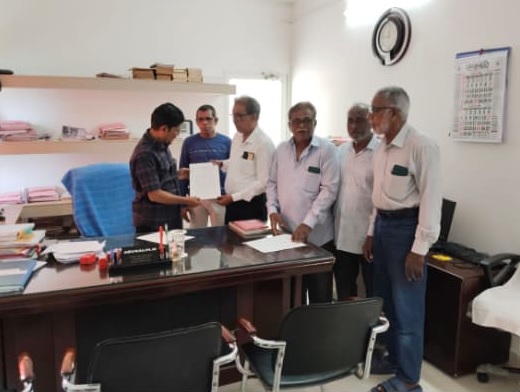
People in Lakshadweep have begun filing formal complaints against the proposed land amendment.
He argued that provisions enabling land use for “industrial undertakings” and “approved non-agricultural purposes” are vague and overbroad, potentially facilitating the indirect transfer, occupation or control of tribal land by non-tribal entities, private corporations and outside commercial interests.
Lakshadweep is geographically unique, environmentally fragile and extremely land-scarce, with land deeply tied to the identity, habitation, livelihoods and social existence of its indigenous communities.
Lakshadweep-based lawyer Ajmal Ahmed also raised concerns that the amendment represents a major departure from the protective framework of the 1964 Regulation.
Ajmal told South First that “the provisions permitting transfer and use of land for industrial and non-agricultural purposes could gradually dilute tribal land protections and enable indirect control or acquisition by commercial interests.”
He also pointed out that the amendment grants wide discretionary powers to the District Collector without clearly defining crucial terms such as “industrial undertaking”, “non-agricultural purpose” and “bonafide”.
Also Read: Lakshadweep’s fragile paradise at risk: Locals protest ‘tent city’ amid environmental concerns
After Prime Minister Narendra Modi’s push to promote tourism in Lakshadweep, the islands received international attention and several private tourism companies began eyeing the region. Multiple tourism expansion projects are currently underway there.
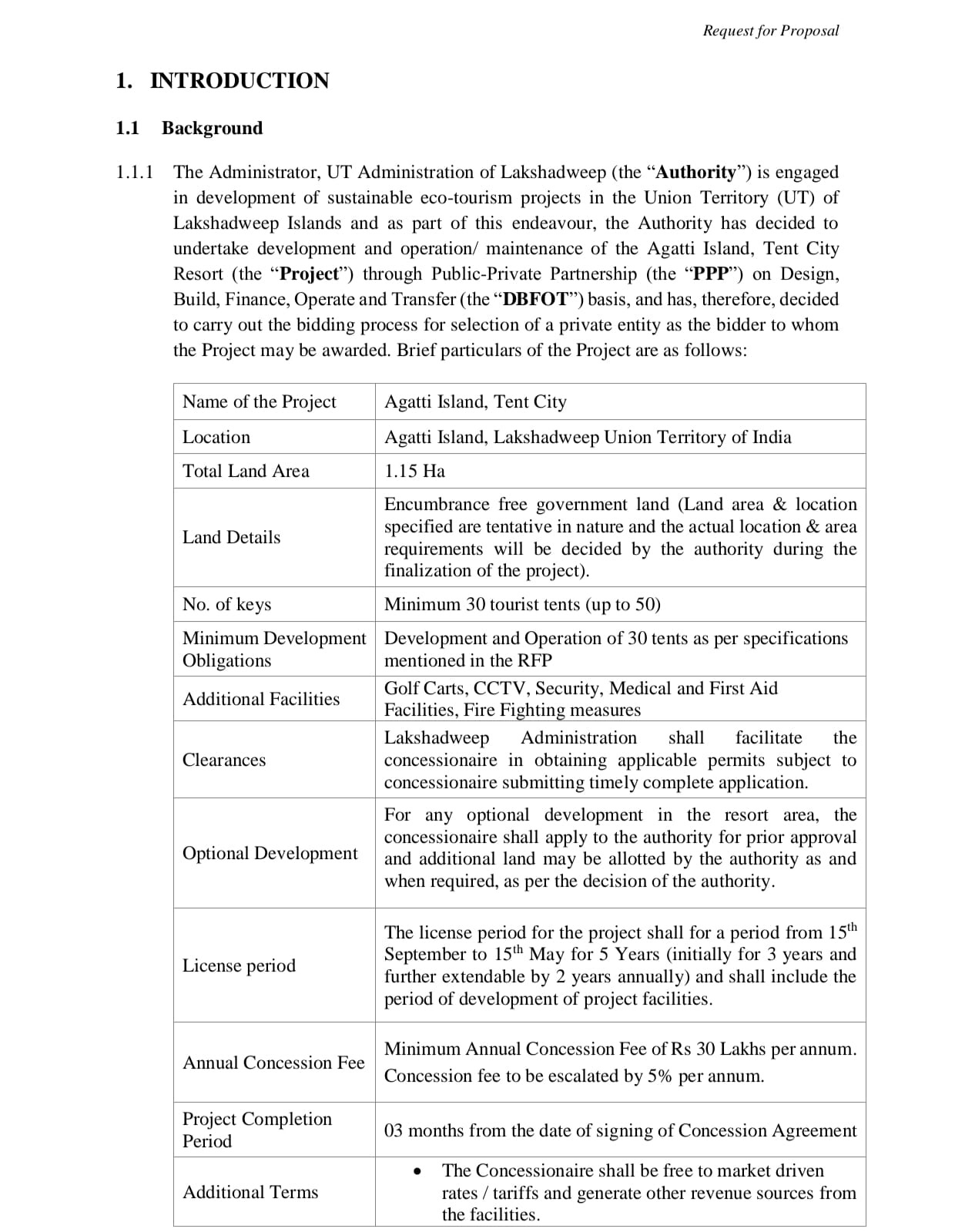
Basic details of the Tent City project at Agatti Island by the UT Administration of Lakshadweep
A year ago, a luxury Tent City project involving 200 tents on Thinnakara Island and 150 tents on Bangaram Island sparked controversy.
The project, launched on 14 June 2022 under a five-year contract with an option for a two-year extension, includes tourism infrastructure such as scuba diving facilities, a health and wellness centre, children’s play areas and coffee shops.
Islanders point out that the projects, although described as “temporary”, involve large-scale concrete construction on ecologically sensitive and uninhabited islands.
The Kerala High Court Division Bench later allowed the construction of temporary tourist accommodation structures to continue, overturning an earlier single-judge order directing the Lakshadweep Administration to halt construction activities.
Sabith, a Youth Congress leader from Lakshadweep, told South First that “large-scale construction activities are threatening the fragile ecosystem and local community interests. Hundreds of coconut trees were cut down as part of the construction work without residents being informed.”
Advocate Fathima Sulfath, a native of Lakshadweep and a lawyer at the Ernakulam District Court, alleged that Coastal Regulation Zone norms were being violated in Thinnakara and Bangaram, claiming that the concrete being used resembled permanent construction material.
The project is being spearheaded by Gujarat-based Praveg Ltd, which has undertaken similar ventures in Narmada, Varanasi and Ayodhya.
The company has also received approval for Tent City projects in Dadra and Nagar Haveli, as well as Daman and Diu.
These developments have fuelled suspicion among sections of Lakshadweep residents, who fear that the proposed land amendment could eventually ease the entry of large tourism businesses and outside commercial groups into the islands.
Also Read: It’s nuts! Lakshadweep administration’s bizarre new order on coconut plucking
For decades, Lakshadweep maintained some of the strictest land protections in the country.
Ismail, a native of Lakshadweep, told South First that “even spouses from outside Lakshadweep faced major restrictions in registering land in their own names if they were not natives of the islands.”
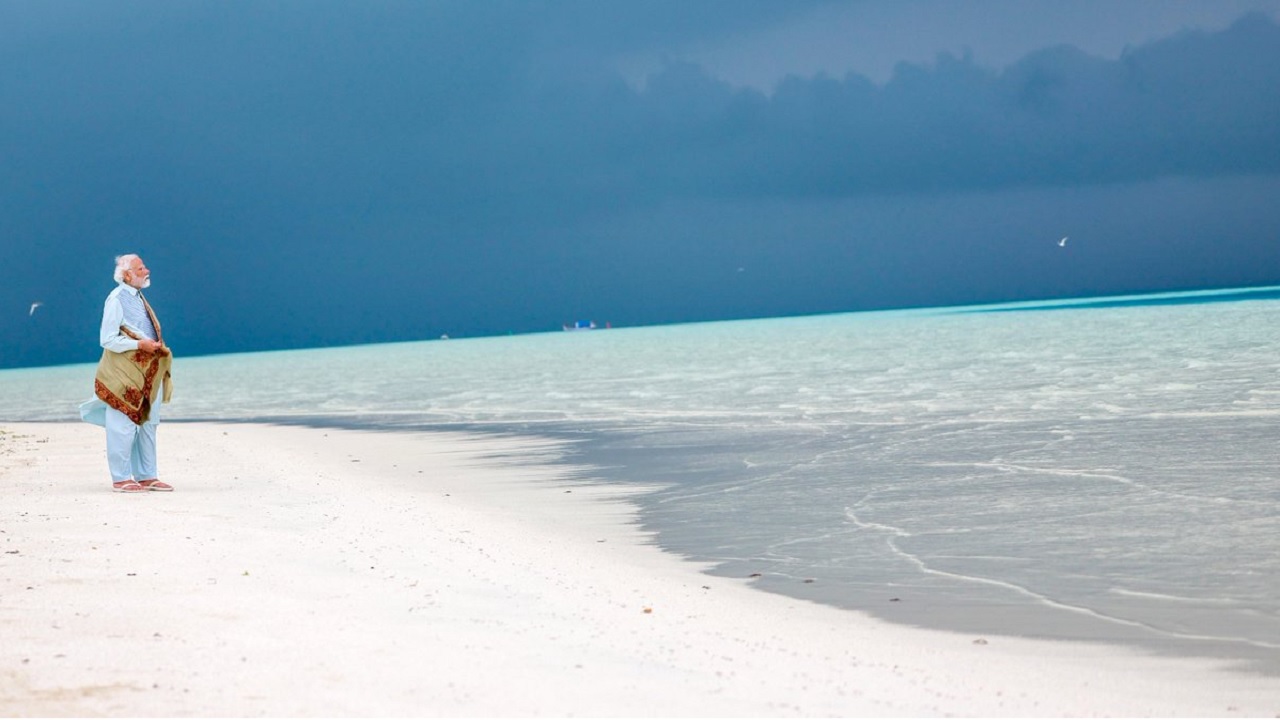
Prime Minister Narendra Modi poses at a beach in Lakshadweep. (File photo)
These safeguards were widely seen as mechanisms to protect the rights of indigenous tribal communities and preserve the demographic balance.
Islanders fear that the amendment, by easing land transactions in the name of tourism, industrial activity and development, could gradually weaken these protections.
Several residents allege that the amendment could pave the way for the dominance of large business groups from North India and other outside commercial lobbies in Lakshadweep’s tourism sector, potentially affecting the livelihoods of local people, for whom tourism remains a major source of income.
They also point out that many officials currently serving in Lakshadweep are from the Hindi belt and argue that the policies being promoted do not adequately reflect the concerns and lived realities of island communities. This, they say, raises fears that decision-making may increasingly tilt away from local interests.
Ajmal Ahmed also criticised the consultation process itself, pointing out that the draft amendment and public notice were issued only in English, without Malayalam and Mahal translations, the primary languages spoken in Lakshadweep.
With protests growing across the islands, many residents are now demanding that the draft be withdrawn or kept in abeyance, and that the existing protections under the 1964 Regulation continue without dilution.



