

Published Jul 19, 2026 | 5:57 PM ⚊ Updated Jul 19, 2026 | 5:57 PM

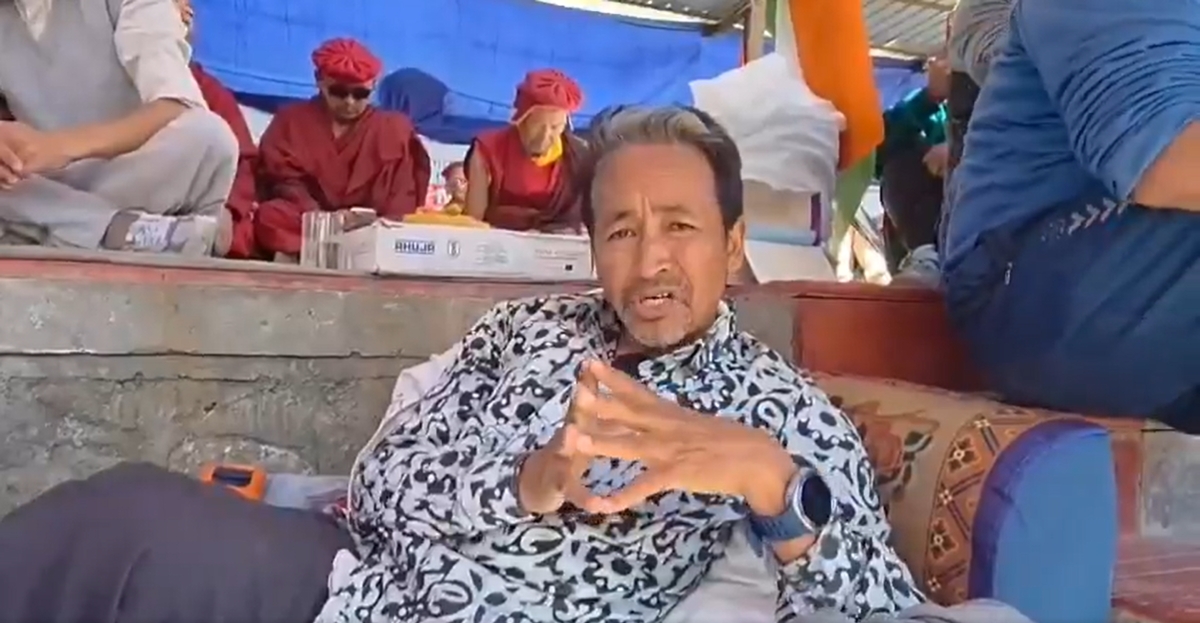
Sonam Wangchuk. (Screengrab)

Synopsis: The Delhi High Court has held that the government and the Delhi Police were justified in removing activist Sonam Wangchuk from his protest site at Jantar Mantar following his prolonged hunger strike. It also refused to allow his transfer from Safdarjung Hospital to a private hospital. The court directed that Wangchuk’s treatment would be decided by the medical team in accordance with medical protocol.
The Delhi High Court on Sunday, 19 July, held that the government and the Delhi Police were justified in forcibly removing activist Sonam Wangchuk from the protest site at Jantar Mantar after his prolonged hunger strike, Livelaw reported.
The court refused to pass an interim order allowing him to be shifted from Safdarjung Hospital to a private hospital of his choice.
Justice Mini Pushkarna made the observations during a special sitting while hearing a writ petition filed by Wangchuk’s wife, Dr Gitanjali Angmo. The court observed that Wangchuk had not checked himself into a hospital on his own.
“Considering the fact that Mr Sonam Wangchuk on his own volition did not check himself into any hospital facility, the Government was within its rights to take such action as already stated,” it said.
Appearing for Dr Angmo, Senior Advocate Kapil Sibal said Wangchuk was taken to Safdarjung Hospital on 18 July and did not have access to his personal doctors or lawyers. He argued that Wangchuk was neither under detention nor facing any criminal charge and should therefore be free to receive treatment at a hospital of his choice.
Sibal told the court that Medanta Hospital had agreed to admit Wangchuk and assured the Bench that he would undergo treatment there if permission was granted.
Additional Solicitor General Chetan Sharma, appearing for the Centre, said Wangchuk’s health had worsened after an 18-day fast, making police intervention necessary.
The court accepted the Centre’s submission that doctors at Safdarjung Hospital were closely monitoring Wangchuk’s condition and that he had been given only sugar-free oral rehydration solution and potassium chloride tablets with Wangchuk’s consent. The court also noted the Centre’s submission that Wangchuk’s wife and brother had been allowed to meet him.
Accordingly, the court said there was nothing on record to indicate that force had been used or that Wangchuk’s bodily autonomy had been violated.
Additional Solicitor General Chetan Sharma urged the court to record that the treating doctors would be free to take any medical steps necessary to save Wangchuk’s life.
Justice Mini Pushkarna initially observed that Wangchuk would cooperate with any treatment the doctors considered necessary.
Senior Advocate Kapil Sibal objected to the wording, arguing that it could be read as allowing treatment without Wangchuk’s consent.
The judge clarified that she was not issuing any such direction and considered adding the words “if he chooses”.
Sharma opposed the change, saying it could allow Wangchuk to refuse even water. The observation was subsequently dropped.
The court instead recorded that “the ultimate decision on any medical condition will be monitored by the medical team, which shall decide as per medical protocol”.
(Edited by Dese Gowda)



