

Published Aug 27, 2026 | 5:14 PM ⚊ Updated Aug 27, 2026 | 5:14 PM

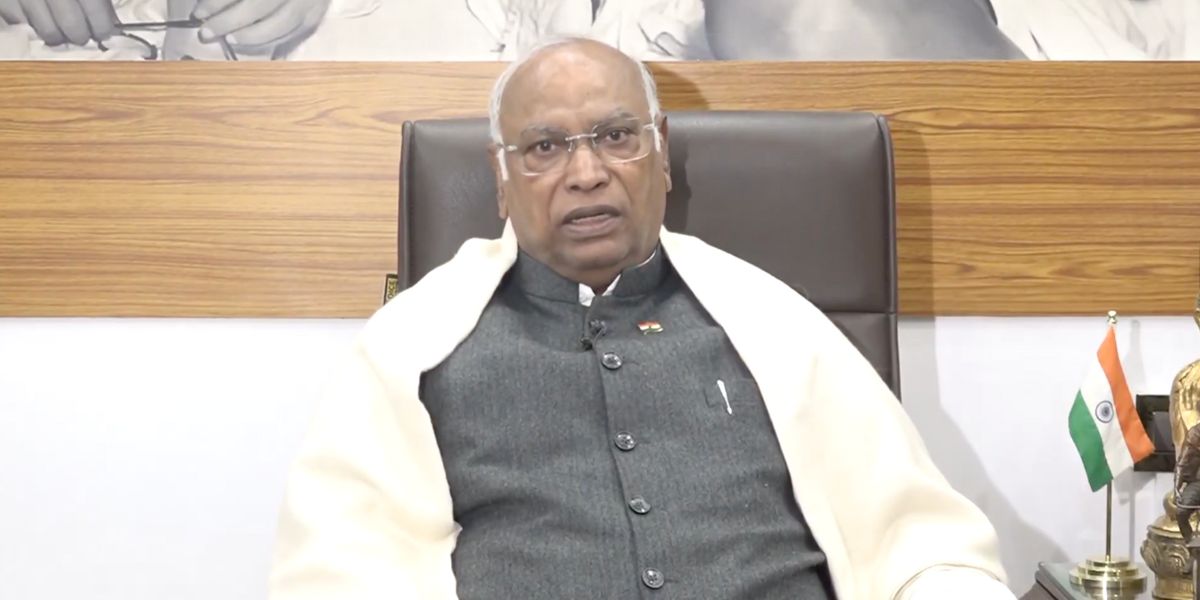
Congress President Mallikarjun Kharge.

Synopsis: Non-NDA-ruled states have opposed the central government’s delimitation based on the 2026 Census because they fear more populous states would get more representation in the top law-making body, while states that implemented the Union government’s earlier population-control instruction would lose out.
AICC president Mallikarjun Kharge has reiterated his request to the government to convene an all-party meeting to discuss the proposed delimitation.
In an open letter to Prime Minister Narendra Modi on Thursday, 27 August, Kharge recalled making a similar request on 16 July.
“I am writing now to reiterate this request since the Union Minister for Parliamentary Affairs has publicly stated in a television interview last night that such a special session of Parliament could well be convened. This perhaps explains the continued delay in the prorogation of the Monsoon Session itself,” the Congress leader wrote.
Before Parliament’s special session, Kharge requested the Prime Minister to convene an all-party meeting to discuss the government’s delimitation proposal and give all political parties and state governments adequate time to study the proposals.
Also Read: ‘Delimitation is a BJP conspiracy to control South India’
Kharge also made clear the Congress’s stand on the issue:
Non-NDA-ruled states have opposed the central government’s delimitation based on the 2026 Census because they fear more populous states would get more representation in the top law-making body, while states that implemented the Union government’s earlier population-control instruction would lose out.
I have written to the PM Modi on delimitation, the delay in prorogation of the Monsoon Session of Parliament, and the likely special session mentioned by the Union Minister of Parliamentary Affairs in a television interview last evening.
Sharing the letter — pic.twitter.com/UCFN5LI4WY
— Mallikarjun Kharge (@kharge) August 27, 2026



