

Published Oct 11, 2026 | 6:32 PM ⚊ Updated Oct 11, 2026 | 7:22 PM

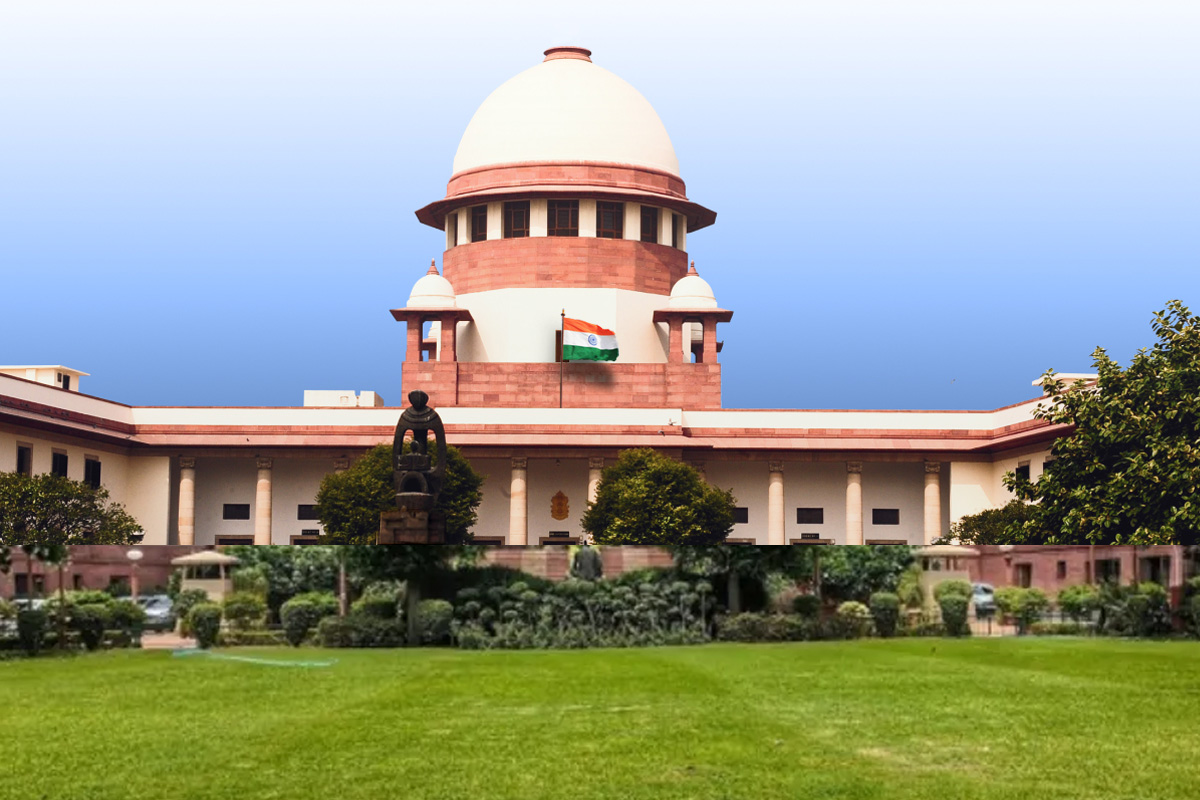
The Bench directed that Metro and rail facilities should function normally unless restrictions were required.

The Supreme Court on Sunday, October 11, issued contempt notices to Union Home Secretary Govind Mohan IAS, Delhi Police Commissioner Anurag Kumar IPS and chairperson of the Delhi Metro Rail Corporation (DMRC), D. Thara IAS, over the violation of its earlier order limiting transportation curbs during the Cockroach Janta Party (CJP) protests against the Election Commission (ECI).
A two-judge bench of the top court, comprising Justices Joymalya Bagchi and V. Mohan, issued the notices during an urgent hearing of a contempt petition filed by advocate Shailendra Mani Tripathi. The petition alleged violations of the Supreme Court’s October 9 order, which directed that transport services should not be completely suspended to manage the CJP’s protests on October 10.
The bench took note of the petitioner’s submission that there were “flagrant violations” of the court order. It noted that metro and railway services were suspended, traffic advisories were not issued and that a large number of people were subjected to illegal detention, even beyond the area which was covered by the prohibitory order passed under Section 163 of the Bharatiya Nagarik Suraksha Sanhita (BNSS).
“Having considered the submissions of the learned counsel for the parties and perused the averments in the Contempt Petition, we are of the opinion that the petitioners have made out a prima facie case,” the court said.
“Accordingly, we issue notice upon the alleged contemnors. They are directed to file a counter affidavit to the said petition, including a compliance report in terms of our order as aforesaid by 13.10.2026. Their personal presence is dispensed with in the meanwhile,” it added.
The court also issued notice on a separate habeas corpus petition filed by advocate Menaka Guruswamy, alleging the illegal detention of more than 7,000 people before and during the CJP protests.
The court directed that “there shall be no detention of any individual except in accordance with the procedure established by law,” specifically referring to people outside areas where prohibitory orders were in force.
It also ordered that journalists and lawyers must not be obstructed from performing their duties.
“Lawyers, journalists and other professionals shall not be hindered in discharge of their professional duties in any manner whatsoever,” the court said.
The court also directed the authorities to remove, if not already done, the board announcing the imposition of Section 163 in the area around the Supreme Court. The measure was intended to ensure that there was no apprehension about access to justice, including entry to and exit from any court of law.
The Bench directed that Metro and rail facilities should function normally unless restrictions were required in response to disturbances to public order, as contemplated under Article 19(2) of the Constitution.
It ordered an immediate review of barricades, taking into account law and order and traffic conditions, and directed that internet facilities remain undisturbed. The directions were subject to any law and order situation.
(Edited by Fayisa CA)



