

Published Apr 14, 2026 | 5:09 PM ⚊ Updated Apr 14, 2026 | 8:52 PM

Union Home Minister Amit Shah justified the Bill, saying it was meant to be correct "declining moral standards" in politics.

Synopsis: The Constitution (One Hundred and Thirty First Amendment Amendment) Bill, 2026 proposes to increase the strength of the Lok Sabha from 543 to 850 seats. The bill seeks to amend Article 81 and delete the third proviso of Article 82, effectively decoupling the seat expansion from the mandatory delimitation exercise based on the first census after 2026.
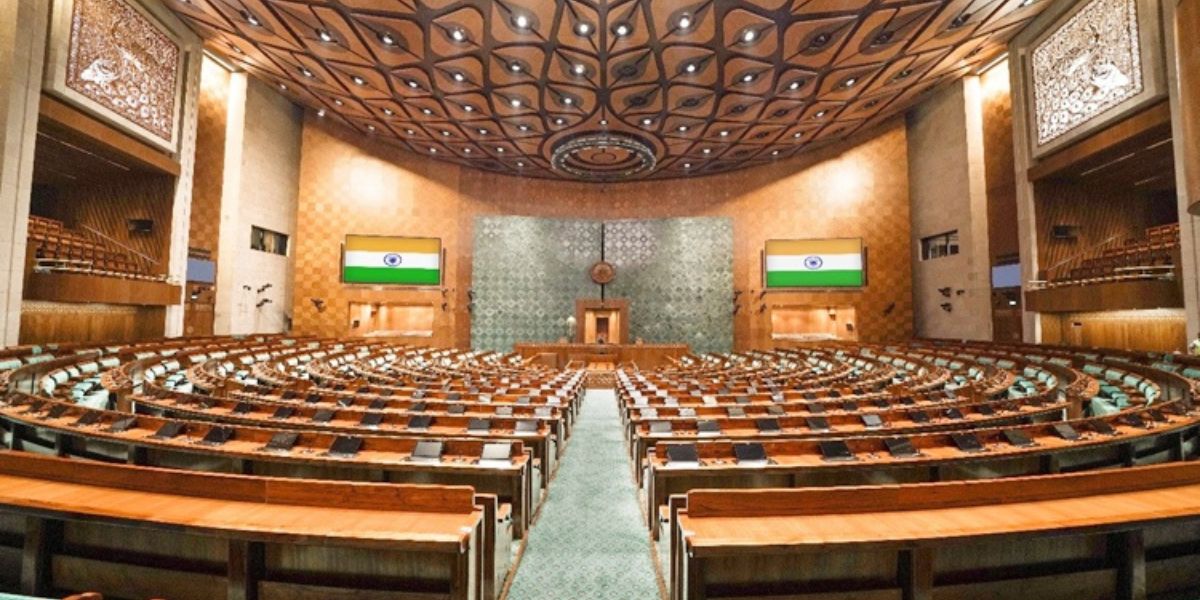
A crucial proposal to nearly increase the size of the Lok Sabha by over 50 percent has come to light with the introduction of The Constitution (One Hundred and Thirty First Amendment Amendment) Bill, 2026 (Bill No. 107 of 2026).
The Bill aims to raise the total strength of the lower house from the current 543 members to 850.
The Bill, which is still at the proposal stage, seeks to amend key provisions in the Constitution related to the composition of the House of the People and the process of delimitation of constituencies.
Expansion of Lok Sabha Seats:
The bill proposes amending Article 81 to increase the maximum strength of the Lok Sabha. Under the proposed changes:
– Not more than 815 members would be elected from territorial constituencies in the States.
– Not more than 35 members would represent the Union Territories.
This marks a substantial rise from the existing ceiling, aimed at enhancing parliamentary representation in line with India’s growing population. Questions, however, remain over diluting the political representation and sway of well performing states like Tamil Nadu, Karnataka, Telangana since the number of seats in states like Uttar Pradesh and Bihar are set to grow substantially.
It’s official, as per the proposed ‘The Constitution (One Hundred and Thirty First Amendment) Bill, 2026, strength of Lok Sabha increased from 543 to 850 members. pic.twitter.com/xxgOILIhX8
— Arvind Gunasekar (@arvindgunasekar) April 14, 2026
Amendment to delimitation provisions (Article 82):
The bill also seeks changes to Article 82, which deals with the readjustment of seats and delimitation following censuses. Notably, it proposes to omit the third proviso entirely.
The existing third proviso mandated that the next delimitation exercise be based on the first census conducted after 2026. By removing this clause and making minor adjustments to the article’s wording and marginal heading, the bill effectively decouples the proposed seat increase from any mandatory fresh delimitation tied to the upcoming census data.
Also Read: MK Stalin issues ‘final warning’ to PM Modi over delimitation plans
The current strength of the Lok Sabha has remained frozen for decades under a constitutional freeze on delimitation (originally linked to the 1971 census and later extended).
The last major delimitation exercise was based on the 2001 census, with the next one long anticipated after the delayed 2021 Census (now expected post-2026).
If passed, the Bill would allow for an expansion of seats without immediately triggering a full-scale redrawing of constituency boundaries based on the forthcoming census figures.
This could have far-reaching effects on political representation, potentially benefiting states with higher population growth while raising concerns in southern states about possible shifts in regional influence.
The proposal comes amid ongoing national discussions on delimitation, women’s reservation in legislatures, and the need for better proportional representation.
However, expanding the House to 850 members would also necessitate infrastructural upgrades to Parliament and raise questions about increased costs and parliamentary efficiency.
As a constitutional amendment, the Bill would require a special majority in both houses of Parliament (2/3rd of members present and voting) and, in certain cases, ratification by at least half of the state legislatures.
No official reaction from Centre or Opposition has been detailed in the initial reporting of the Bill’s contents. Political observers expect intense debate on federal balance, north-south equity in seat allocation, and the timing of any delimitation exercise.
(This is a developing story based on the proposed Bill text shared publicly)



