

Published Mar 10, 2026 | 4:20 PM ⚊ Updated Mar 10, 2026 | 4:20 PM

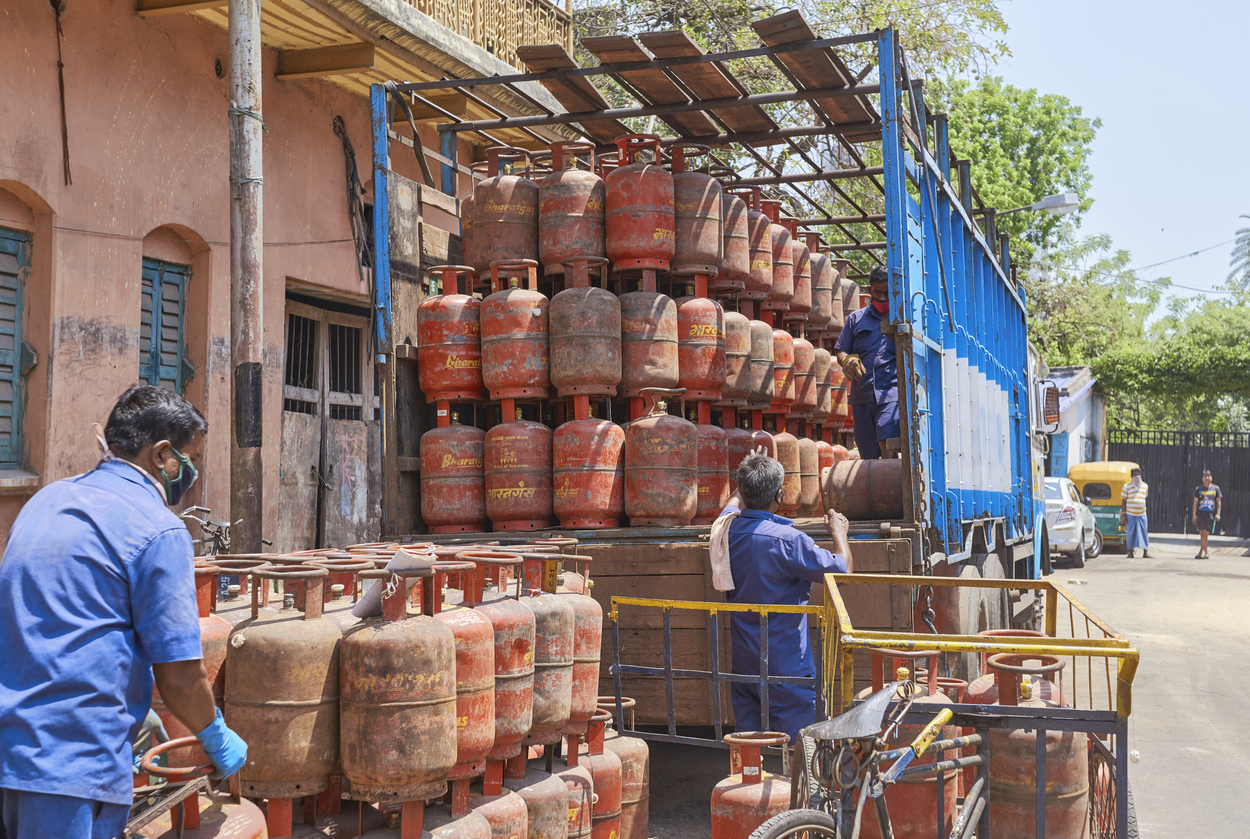
Representational image. Credit: iStock
Synopsis: Amid escalating conflict in the Middle East involving Iran, Israel, and US, Centre has enacted the Natural Gas (Supply Regulation) Order, 2026 under the Essential Commodities Act. The emergency measure prioritises supplies for household cooking gas, public CNG transport, LPG production, fertiliser plants, and key industries, while sharply curtailing gas to petrochemical facilities, refineries, and power plants to avert domestic shortages and protect essentials.
Centre has invoked emergency powers under the Essential Commodities Act, 1955, to regulate the supply and distribution of natural gas, including liquefied natural gas (LNG) and regasified LNG, in response to severe disruptions caused by the ongoing conflict in the Middle East.
The Ministry of Petroleum and Natural Gas yesterday notified the “Natural Gas (Supply Regulation) Order, 2026”, published in the Gazette of India. The measure aims to ensure equitable distribution and safeguard availability for essential sectors as global LNG shipments face constraints, particularly through the Strait of Hormuz, amid the escalation involving the United States, Israel, and Iran.
Suppliers have invoked force majeure clauses, prompting the need for domestic controls to prevent shortages in critical areas.
Government Regulates Natural Gas Supply Amid Crisis
The Government of India has notified the Natural Gas (Supply Regulation) Order, 2026, prioritising gas allocation to essential sectors amid supply disruptions linked to tensions in West Asia and LNG shipment constraints through… pic.twitter.com/JrEkFcL7TA
— DD News (@DDNewslive) March 10, 2026
The order establishes a tiered priority system for natural gas allocation, based on average consumption over the preceding six months, subject to overall availability. It seeks to maintain operational continuity in vital segments while permitting reductions elsewhere to free up supplies.
Priority Sector I (up to 100 percent): Domestic piped natural gas (PNG) for households, compressed natural gas (CNG) for public transport, LPG production (including shrinkage requirements), and essential pipeline operations such as compressor fuel. These measures protect everyday household cooking and mobility needs for millions of citizens.
Priority Sector II (90 percent supply): Fertiliser plants, crucial for agricultural output and food security. Strict rules prohibit diversion of gas to non-fertiliser purposes, with allocations certified by the Petroleum Planning & Analysis Cell (PPAC) in coordination with the Ministry of Chemicals and Fertilisers.
Priority Sector III (80 percent supply): Tea industry, manufacturing, and other industrial users connected to the national gas grid, with PPAC setting allocation guidelines alongside the Industry Committee.
Priority Sector IV (80 percent supply): Industrial and commercial consumers served through city gas distribution (CGD) networks.
To support these priorities, the order authorises curtailment of supplies to non-priority users, including petrochemical facilities (such as those operated by ONGC Petro additions Ltd, GAIL Petrochemicals Complex, and Reliance O2C), power plants, and oil refineries. Refineries may face reductions of up to 60 percent of their recent averages where feasible, absorbing the impact of any LNG import shortfalls.
Implementation falls to GAIL (India) Ltd, in coordination with PPAC, which will physically redirect gas flows. For diverted volumes, GAIL must submit invoice prices to PPAC for transparency and any necessary subsidy or compensation calculations.
The directive follows related steps to bolster LPG supplies, including orders for refiners to maximise propane and butane utilisation for domestic cooking gas production and restrictions on commercial diversions. It also aligns with efforts to extend cylinder booking intervals in some areas to curb panic buying.
India, heavily reliant on imported LNG — much of which transits vulnerable routes — faces heightened risks from the regional crisis.
The measure remains in force until revoked or amended, with the potential for swift reversal should supply conditions improve. The Ministry has stressed that the steps are precautionary to maintain stability amid extraordinary geopolitical circumstances.


