

Published Mar 01, 2026 | 3:54 PM ⚊ Updated Mar 01, 2026 | 3:54 PM

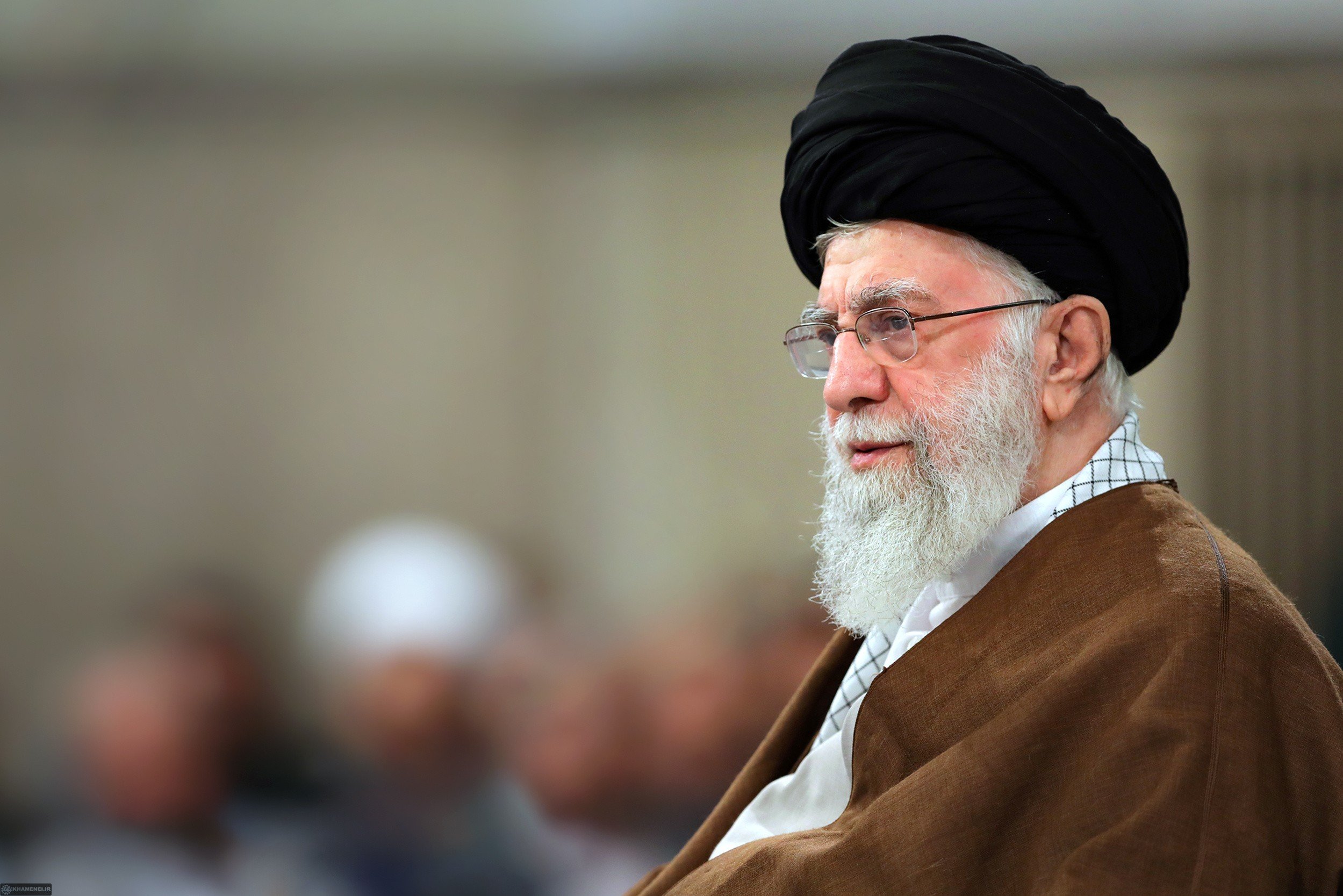
Ayatollah Khamenei assassinated. Credit: x.com/khamenei_ir
Synopsis: Ayatollah Ali Khamenei’s death in a joint US-Israeli strike has plunged Iran into turmoil, sparking mourning and jubilation across cities. State media declared 40 days of mourning, but experts warn of succession struggles and instability. Regional tensions have escalated, with fears of retaliation. Indian leaders expressed concern, urging peace, protection of Indians abroad, and condemning the killing.
The death of Iran’s Supreme Leader Ayatollah Ali Khamenei in a joint US-Israeli strike has triggered shockwaves across the Middle East, plunging the country into chaos while simultaneously igniting unrest in parts of Iran.
State media declared 40 days of mourning, hailing Khamenei as “martyred.” Yet, in stark contrast, footage from several cities showed jubilant crowds tearing down statues and celebrating in the streets, underscoring the deep divisions within Iranian society.
The assassination ends nearly four decades of Khamenei’s rule, leaving a political vacuum at the heart of Iran’s governance. However, as per geopolitical experts, succession struggles and factional rivalries could destabilise the country further.
In the Name of God, the Compassionate, the Merciful
Among the faithful are men who fulfill what they have pledged to Allah: there are some among them who have fulfilled their pledge, and some of them who still wait, and they have not changed in the least (Holy Quran 33:23). pic.twitter.com/f1JizOKWQD
— Khamenei.ir (@khamenei_ir) March 1, 2026
The strike has heightened regional tensions, with fears of retaliatory attacks and wider conflict. Israel and the USA framed the operation as a strategic blow to Iran’s influence, particularly regarding its nuclear ambitions and regional proxies.
Rescue operations and security forces remain on high alert as sporadic protests and celebrations continue. Meanwhile, the Iranian government has constituted emergency committees to manage the transition, though uncertainty looms over the future of the Islamic Republic.
Jammu and Kashmir Chief Minister Omar Abdullah expressed concern over the events unfolding in the Middle East. His tweet read, “Deeply concerned about the unfolding developments in Iran, including the killing of Iran’s Supreme Leader, Ayatollah Ali Khamenei. I appeal to all communities to remain calm, uphold peace, and avoid any actions that could lead to tension or unrest.”
“We must also ensure that those who are mourning in Jammu and Kashmir are allowed to grieve peacefully,” he added.
I’m deeply concerned about the unfolding developments in Iran, including the killing of Iran’s Supreme Leader, Ayatollah Ali Khamenei. I appeal to all communities to remain calm, uphold peace, and avoid any actions that could lead to tension or unrest.
We must also ensure that…
— Omar Abdullah (@OmarAbdullah) March 1, 2026
Meanwhile, Abdullah’s predecessor, Mehbooba Mufti, minced no words and went hammer and tongs while condemning Israel and the US for their “shameful” killing of Khamenei.
“History will stand testaments to who fought for justice & who helped the oppressors. Prayers with the people of Iran. May Allah grant them strength & victory over forces of tyranny & injustice,” read her X post.
She even condemned Iran’s neighbouring Muslim countries for being complicit in the operation.
Today marks a deeply tragic & shameful point in history with Israel & USA boasting about the killing of Iran’s beloved leader Ayatollah Ali Khanenei. What’s more disgraceful & shocking is the explicit & implicit support given by Muslim countries who chose convenience & expedience… pic.twitter.com/WoIBWtDwNI
— Mehbooba Mufti (@MehboobaMufti) March 1, 2026
Congress president Mallikarjun Kharge took to X and said, “Peace and stability in the region are paramount”.
“We are equally concerned about the safety and security of Indians in Iran and across the Middle East. We urge the Government of India to take all possible measures to ensure their protection and well-being,” Kharge’s tweet read.
The Indian National Congress is deeply concerned about the deteriorating situation in the Middle East following the recent military escalation towards Iran. Peace and stability in the region are paramount and must be preserved.
We are equally concerned about the safety and…
— Mallikarjun Kharge (@kharge) February 28, 2026
On the other hand, the X post of Congress MP and Leader of Opposition in Lok Sabha Rahul Gandhi reiterated Kharge’s stand regarding the safeguard of Indians in the Middle East.
“The rapidly escalating hostilities between US-Israel and Iran are deeply concerning. The safety and security of every Indian citizen across the Middle East must be our highest priority,” his tweet read.
The rapidly escalating hostilities between US-Israel and Iran are deeply concerning.
The safety and security of every Indian citizen across the Middle East must be our highest priority.
I urge the Government of India to take immediate and proactive measures to safeguard our…
— Rahul Gandhi (@RahulGandhi) February 28, 2026
Observers say Khamenei’s death marks a turning point for Iran, with the potential to reshape both domestic politics and the geopolitical balance of the Middle East.


