

Published Jun 08, 2026 | 11:48 AM ⚊ Updated Jun 08, 2026 | 11:48 AM

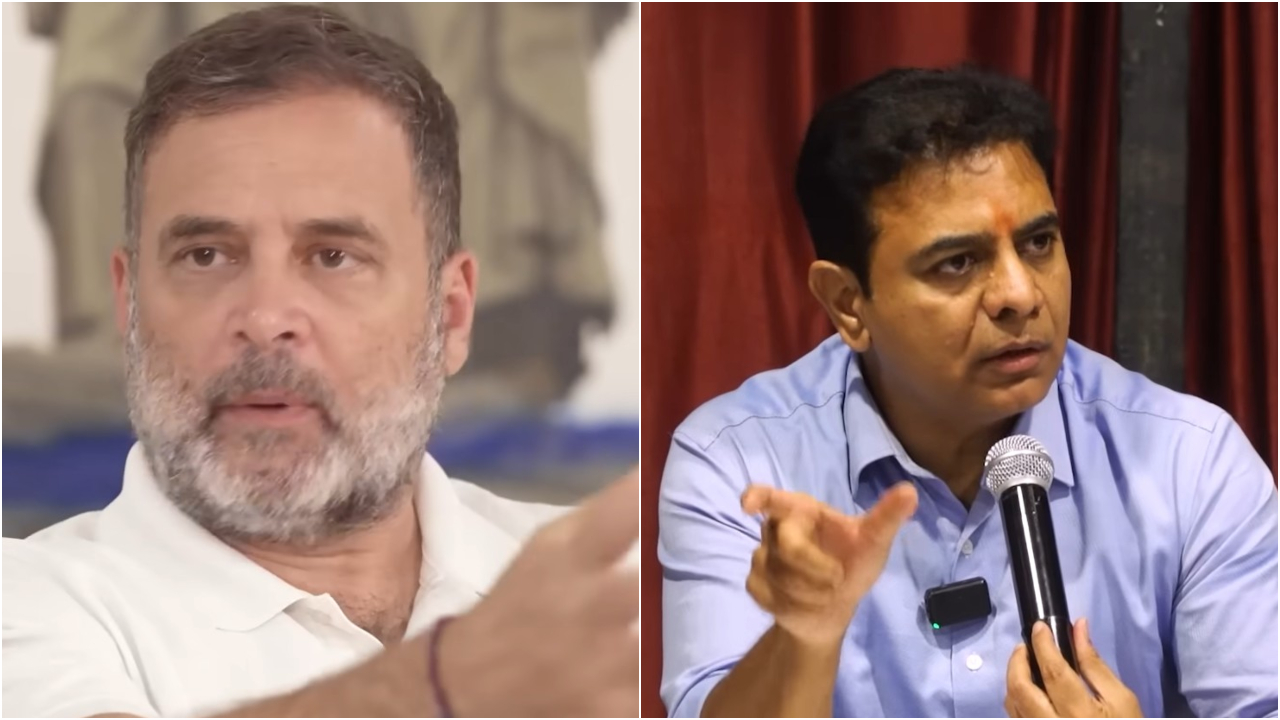
Direct engagement shows Opposition leaders are prioritising affected youth over rhetoric. Credit: youtube.com/@rahulgandhi, youtube.com/@KTarakaRamaRa

Synopsis: Opposition leaders KTR in Telangana and Rahul Gandhi nationally are actively engaging directly with students affected by NEET, CBSE, and other exam glitches. While the Centre faces criticism for inaction, a few Opposition leaders have upped their game and started listening to grievances, demanding accountability, and offering solidarity—making on-ground outreach a powerful political strategy.
BRS Working President KTR recently held a heartfelt interaction with NEET aspirants in Hyderabad affected by the 2026 paper leak scandal.
In the video, he called the leak a “national disgrace,” demanded accountability including the resignation of Union Education Minister Dharmendra Pradhan, and assured students he would raise the issues in the Assembly and Parliament.
KTR listened to their frustrations on grace marks, systemic failures, and the need for re-exams or reforms, while advising them to stay focused and channel energies constructively.
This mirrors a growing pattern at the national level with Leader of Opposition in the Lok Sabha Rahul Gandhi leading from the front.
Gandhi has actively engaged with affected students — including CBSE Class 12 students like Vedant facing evaluation glitches and mix-ups in the new On-Screen Marking (OSM) system, NEET aspirants, and others impacted by CUET delays/technical issues.
He has shared videos of these direct interactions, amplified student voices (e.g., defending those labeled “anti-nationals”, “Soros agents” and “Pakistanis” for raising concerns), met families of students who faced tragedies, and repeatedly slammed the Centre for repeated failures across NEET, CBSE, SSC, and CUET affecting over a crore students.
Also Read: NEET UG-2026 cancelled after paper leak row: CBI probe ordered, re-test date awaited
In an era of recurring exam glitches, paper leaks, and evaluation controversies that have shaken student trust, Opposition leaders like KTR and Rahul Gandhi are making direct, on-ground interactions with those affected a key part of their political outreach.
They are listening to grievances, offering solidarity, pushing for ministerial accountability, and highlighting systemic fixes — filling a vacuum where the PM Modi-led Centre has faced criticism for inadequate responsiveness and transparency.
Will this people-centric approach emerge as an effective strategy to connect with youth aspirations and demand better governance in education? Only time will tell. However, direct engagement shows Opposition leaders are prioritising affected youth over rhetoric.



