

Published Jul 27, 2026 | 9:22 AM ⚊ Updated Jul 27, 2026 | 9:22 AM

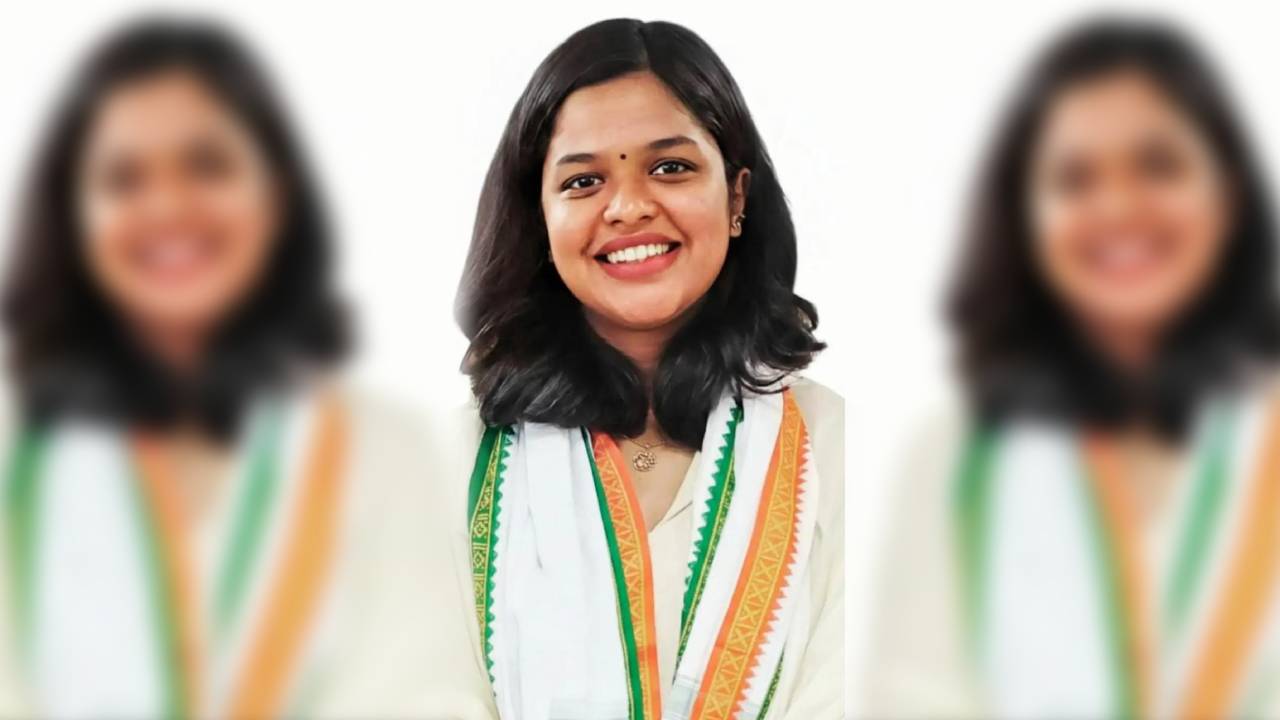
Diya Binu Pulikakandam was 21 when she took charge as the Chairperson of Pala Municipality.

Politics is often likened to a game of musical chairs. In Kottayam’s Pala municipality, however, the chair has been vacated but the political players who helped remove its occupant are showing little urgency to claim it.
The removal of India’s youngest municipal chairperson 21-year-old Diya Binu Pulikkakandam through a no-confidence motion on 21 July, has produced an unexpected political situation in one of Kerala’s most closely watched municipalities.
While four Congress councillors rebelled against their party and joined hands with the Left Democratic Front (LDF) to unseat Diya, the biggest surprise came afterwards. Kerala Congress (M), which played a central role in the change of equations, has chosen not to stake claim to the chairperson’s post. The district leadership openly expressed its unwillingness to lead the council.
For a party that regarded Pala as its strongest political base for decades, stepping aside after an opportunity to regain power appears unusual. But the decision reflects calculations that go well beyond simple numbers.
The 26-member council is now sharply divided.
The LDF has 12 members, including 10 Kerala Congress (M) councillors and two from the CPI(M).
The United Democratic Front (UDF), which formed the administration with 14 members just six months ago, has effectively split after four Congress councillors defied the party whip during the no-confidence motion and were subsequently expelled.
Independent councillor Maya Rahul, who also supported the motion, has emerged as a key figure in the unfolding developments.
Under normal circumstances, Kerala Congress (M) would have been expected to reclaim the municipality it lost after a surprise electoral setback. Instead, the party has publicly stated that it is prepared to support an independent candidate, including Maya Rahul or even one of the expelled Congress councillors, without contesting the post itself.
Also Read: Congress withdrawal plunges India’s youngest municipal chairperson’s administration into crisis
Several factors appear to have shaped Kerala Congress (M)’s decision.
The party has several senior councillors, including former chairpersons, each with their own support base. Choosing one over another could revive internal rivalries at a time when the party has regained political momentum. By avoiding a contest for the top post, the leadership also avoids reopening factional debates.
The decision also places the Congress in an increasingly uncomfortable position.
The district leadership has expelled four councillors for violating the party whip, yet several local Congress leaders have openly defended them, arguing that their real fight was not against the LDF but against the Pulikkakandam family.
The contradiction has exposed divisions within the party far more publicly than the loss of the chairperson’s post itself.
Ironically, leaders who had spent years attacking Kerala Congress (M) are now welcoming its decision to stay out of the race because their immediate objective was to weaken the growing influence of the Pulikkakandam family, which had emerged as an independent political force after breaking away from multiple parties.
Also Read: Congress rebels help LDF oust India’s youngest municipal chairperson
Binu Pulikkakandam’s political career reflects Pala’s shifting political landscape. He began in the Congress, later joined the BJP, moved to the CPI(M), and eventually left after differences over the chairperson’s post. He subsequently formed an independent group along with his daughter Diya and brother Biju Pulikkakandam.
The trio won three seats in the municipal election and unexpectedly became kingmakers, helping the UDF end Kerala Congress (M)’s long-standing dominance in Pala. The alliance, however, began showing signs of strain within months.
Relations worsened after the independent councillors stayed away from a council meeting that approved permission for the DYFI district conference at Kottaramattom bus stand. While the Pulikkakandam camp maintained they were attending a funeral and that such permissions were routine administrative matters, sections of the Congress viewed their absence as evidence of growing proximity to the LDF.
The relationship deteriorated further following Diya’s allegation that Congress councillor Biju Mathews had stolen her wristwatch and official files from the chairperson’s office. The accusation came soon after Biju Mathews alleged that Binu and Biju Pulikkakandam had assaulted him during a dispute over shifting an autorickshaw stand. Disagreements over ward-level issues, development funds and personal differences widened the gap between the allies.
By the time the no-confidence motion was taken up, the coalition existed largely on paper.
For Kerala Congress (M), extending outside support without directly heading the administration offers political flexibility.
It can influence the municipality’s functioning without assuming full responsibility. If the arrangement succeeds, the party benefits politically. If it runs into trouble, the Congress remains burdened by the fallout from its own internal rebellion.
That leaves Maya Rahul as the frontrunner for the chairperson’s post.
With the backing of the LDF and the expelled Congress councillors, the acting chairperson is well placed to secure a majority.
In Pala, the contest has shifted from capturing power to deciding whether it is wiser to exercise influence from the chair—or from just behind it.



