

Published Aug 29, 2026 | 8:00 AM ⚊ Updated Aug 29, 2026 | 8:20 PM

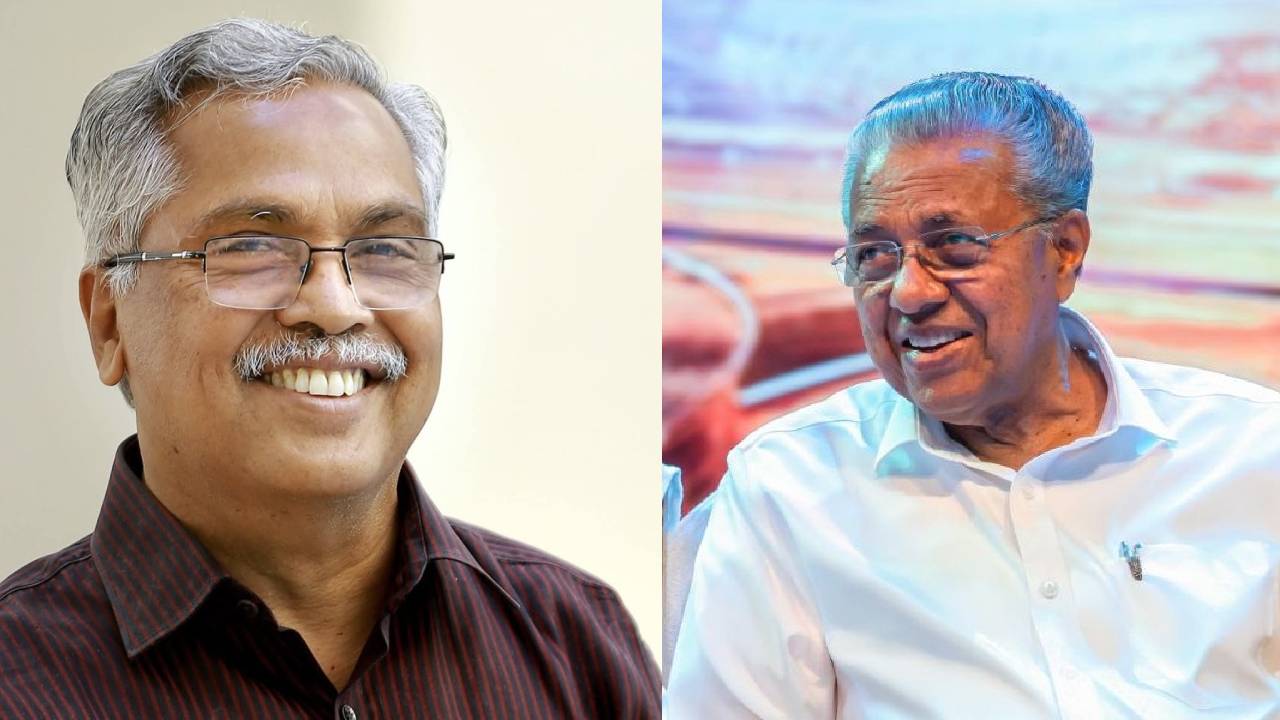
Binoy Viswam and Pinarayi Vijayan.

For three months, the CPI and CPI(M) have been fighting over a chair that has yet to acquire an occupant—and, in a sense, over a post whose political importance has grown with every passing argument about it.
The proposed Deputy Leader of the Opposition (LoP) has become the latest battlefield in the LDF, turning what might have been a routine allocation of responsibilities into a contest of prestige, power and political pride.
Neither ally appears ready to blink, and the longer the chair remains empty, the louder the fight over who should sit in it has become.
What began as a demand for greater collective functioning within the Left Democratic Front following its electoral drubbing has evolved into a three-month-long exercise in political arm-wrestling. Every attempt to lower hands has apparently resulted in someone raising their voice instead.
The CPI, the second-largest constituent of the LDF, has argued that it should get the Deputy LoP post as part of a broader effort to ensure collective functioning within the alliance after the election defeat.
The CPI(M), however, appears equally convinced that the chair—assuming it is formally occupied—belongs to it.
For weeks, the disagreement remained within the familiar boundaries of alliance negotiations: meetings, discussions, postponements and carefully worded expressions of “differences of opinion”.
Then came 22 August, when Pinarayi Vijayan decided to remove much of the suspense.
Speaking to reporters, the Leader of the Opposition said appointing a Deputy Leader was a relatively simple matter.
All that was required, he indicated, was a letter to the Speaker, before making the crucial point unmistakably clear: the letter would carry the name of a CPI(M) leader.
For the CPI, which believed the issue was still under discussion, that was less a clarification than a political thunderclap.
CPI state secretary Binoy Viswam responded sharply, saying disputes between alliance partners were supposed to be resolved through dialogue rather than unilateral public declarations. He questioned whether such remarks were in keeping with the political culture and collective traditions of the LDF.
The CPI had already made its position clear. Viswam had earlier warned that the party would not withdraw its claim and suggested that parliamentary party meetings and Assembly committees on behalf of the LDF could not simply proceed as though the disagreement did not exist.
In short, the message was unmistakable: this was no longer merely about who gets the chair. It was about who gets to decide where the chair goes.
If 22 August added fuel to the fire, 25 August ensured that nobody could claim the fire was accidental.
In a strongly worded article in the CPI mouthpiece Janayugom, assistant secretary Sathyan Mokeri accused Pinarayi of violating coalition etiquette and the political morality expected in Left politics.
Mokeri took particular exception to what he described as the attitude of “I will decide”, arguing that such an approach was incompatible with the collective functioning expected within a communist-led alliance.
His central question was simple: how could the Opposition Leader announce a unilateral decision when discussions between the two parties were still continuing and the matter had also reached the attention of their national leaderships?
CPI(M) hit back, arguing that taking internal disagreements to the media itself violated political etiquette. Former minister V Sivankutty defended Pinarayi’s stand as democratic and practical, while accusing the CPI of turning the dispute into a personal attack.
The quarrel soon acquired younger voices as well, with leaders of the AIYF and DYFI entering the exchange with their own counter-allegations.
For a dispute over a deputy’s post, it was beginning to develop a surprisingly large supporting cast.
By 28 August, veteran CPI leader C Divakaran offered perhaps the most revealing summary of the impasse.
Pinarayi, he said, was ultimately the person who had the final say on the appointment. But Divakaran also questioned the approach being adopted, arguing that the CPI(M), as the leading party in the Front, should be prepared to make concessions.
“The Deputy Leader is not the right of the CPI(M),” was essentially his argument.
He also raised the question haunting the entire controversy: if the post is not indispensable, why has it become so indispensable that neither side can let go?
That question now hangs over the LDF more prominently than the proposed designation itself.
LDF convener TP Ramakrishnan attempted to restore some calm, urging leaders to exercise restraint and insisting that differences should be settled through discussions. He maintained that Pinarayi’s statement was based on an earlier decision and said efforts to resolve the issue were continuing.
Which, in LDF lingo, may mean that the discussions are continuing precisely because the decision has not ended the discussion.
The dispute has exposed an uncomfortable reality within the alliance.
The CPI wants recognition of its political weight and a greater role in collective decision-making after the electoral setback.
The CPI(M), accustomed to leading the Front and unwilling to surrender political space, appears reluctant to concede a position it believes is naturally its own.
And the irony is difficult to miss: before someone can sit next to the Leader of the Opposition, the two biggest allies in the Left coalition may first have to learn how to sit across the table from each other.



