

Published Jun 26, 2026 | 7:43 PM ⚊ Updated Jun 26, 2026 | 7:43 PM

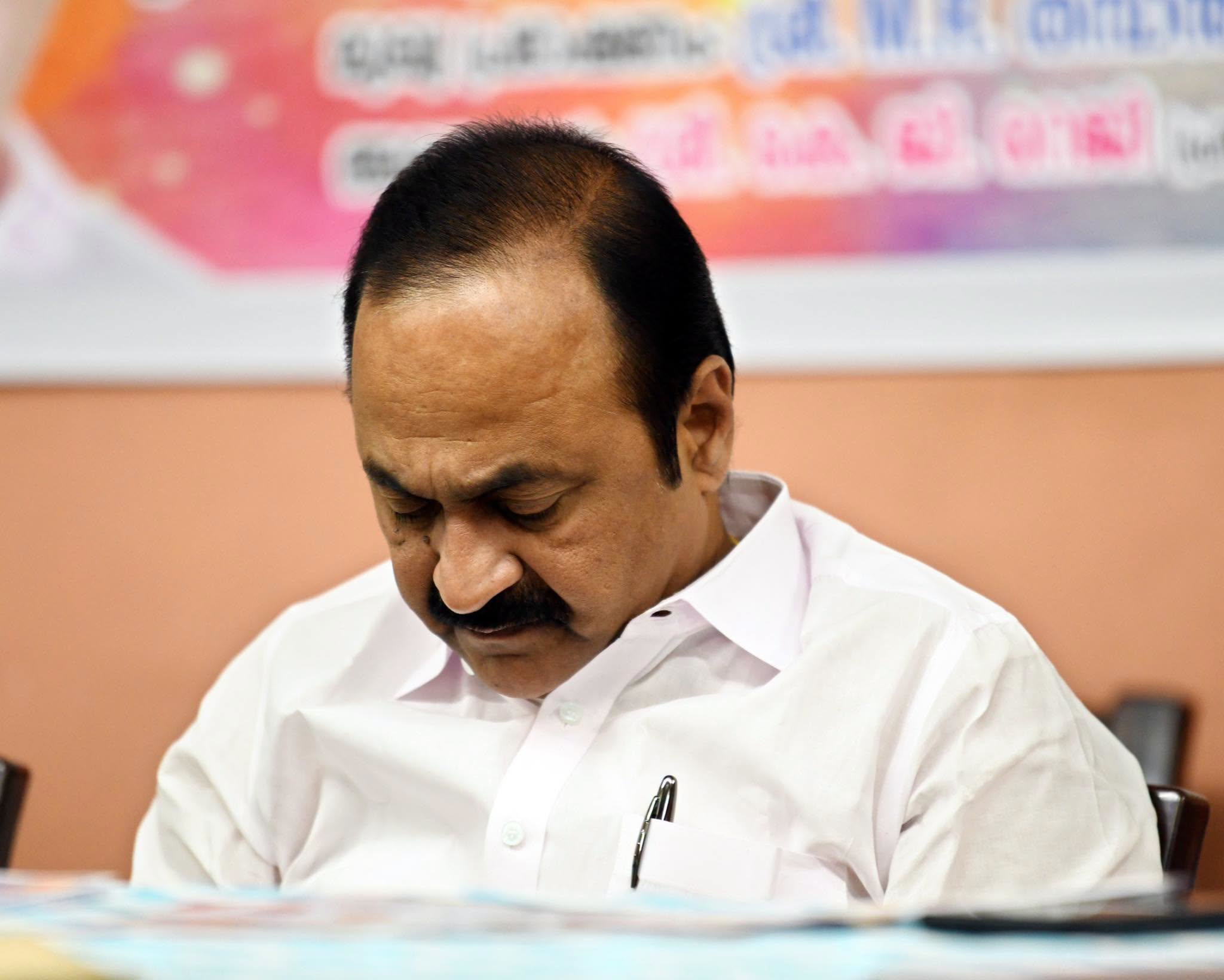
Chief Minister V D Satheesan

Politicians spent much time and effort crafting an image for themselves. Sometimes, all it takes to puncture it is a microphone that remains live unnoticed.
Kerala politics has produced its share of unforgettable hot-mic moments.
Ministers have been caught venting frustration, legislators have been overheard making candid remarks, and occasionally an unguarded sentence has travelled much farther than an hour-long speech.
The latest entrant to that list is Chief Minister VD Satheesan, whose off-the-cuff contradictory comment following a submission on the historic Champakulam Moolam Vallamkali has become the political equivalent of a viral meme.
The issue itself appeared harmless enough.
Kuttanad MLA Reji Cherian sought a local holiday on 29 June, coinciding with the Champakulam Moolam Vallamkali—one of Kerala’s oldest and most celebrated snake boat races.

Champakulam Moolam Snake Boat Race
It was hardly an unprecedented emotional appeal. Every year, local representatives seek holidays for festivals deeply woven into the cultural identity of their regions.
The official response was textbook governance.
The government would examine the request. There was an existing policy against creating new local holidays. The event was not covered under the relevant government order. The demand would be considered before arriving at a decision.
Then came the sentence that no one in the Assembly was supposed to hear.
Or rather, everyone heard it.
As he was on his way to resume his seat after his reply, Satheesan was caught on the live Assembly feed, reportedly remarking that the holiday would not be granted “under any circumstances.”
In a matter of seconds, the carefully balanced official reply collided head-on with an apparently definitive private verdict.
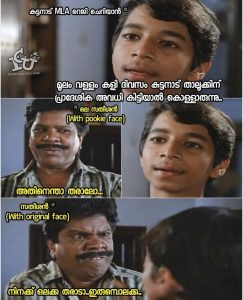
One of the troll posts on the political development
The internet went into overdrive.
Within hours, social media had transformed a procedural Assembly submission into a festival of satire.
The irony was impossible to miss. In an age where politicians rehearse every public sentence, it was the unscripted whisper that became the headline.
Ordinarily, a plea for a local holiday would have remained a routine constituency issue. MLAs frequently seek exemptions for festivals, fairs and events that hold emotional significance for their regions. Such submissions rarely survive beyond the day’s Assembly proceedings.
This one did.
Not because of the demand itself, but because of what followed it.
The apparent contradiction between the official reply and the remark caught on the live microphone handed the Opposition an issue that was far bigger than whether Kuttanad would get a holiday on 29 June.
LDF MLA KU Jenish Kumar wasted little time in turning the episode into a question of legislative ethics rather than administrative discretion.
In a sharply worded Facebook post, Jenish argued that the government was well within its rights to grant or reject a holiday. “That is an administrative decision,” he noted. “But what no Chief Minister should do is say one thing in the Assembly and another the very next second.”
He described the alleged contradiction as an insult not merely to the people of Kuttanad but to the institution of the Assembly itself.
For Jenish, the issue was not the boat race—it was the sanctity of the legislature.
“The Assembly is a place where truth and responsibility must prevail,” he wrote, accusing Satheesan of misleading the House by giving two entirely different responses to the same question within seconds. He claimed such conduct violated Assembly conventions as well as public propriety.
The CPI(M) legislator also widened the political attack by invoking history. He reminded Satheesan of former Chief Minister K Karunakaran’s political troubles after allegedly misleading the Assembly and even referred to former Prime Minister Indira Gandhi’s expulsion from Parliament in 1978 as a reminder that legislatures take misleading statements seriously.
His post concluded with a line that quickly found its way into social media conversations: politicians may escape elsewhere, he said, but “the microphones in the House that remain switched on will always become a hurdle for those who attempt to deceive the people’s representatives.
Outside the Assembly, the controversy gathered an emotional dimension.
Supporters of the historic Champakulam Moolam Vallamkali staged protests and even burnt Satheesan in effigy, arguing that the issue had ceased to be about a day’s holiday and had become one of respect for a cultural tradition that occupies a special place in Kuttanad’s identity.
Ironically, the most restrained voice in the controversy came from the man whose submission had triggered the storm.
Cherian, a first-time MLA, admitted that the episode had left him disturbed. His disappointment, however, was expressed without theatrics.
“It was my first submission in the Assembly,” he pointed out, explaining that he had merely articulated a long-standing demand from the people of Kuttanad. The annual Moolam Vallamkali, he said, is not just another festival but an occasion awaited by thousands living in one of Kerala’s most geographically and economically challenging regions.
Initially, Cherian said, he did not attach much importance to the video clips circulating on social media. Like many politicians today, he assumed they might have been selectively edited. It was only after watching the complete House TV footage that he realised the controversy had substance.
Rather than escalating the matter publicly, Cherian chose the institutional route. He announced that he would meet Satheesan personally when the Assembly reconvened on Monday and seek an explanation.
Whether Kuttanad eventually gets its local holiday is now almost a secondary question.
The real takeaway from the episode is that politics in 2026 offers very little room for “off-the-record” moments.
For Satheesan, what was probably intended as a fleeting aside has turned into a lesson in political optics.
For the Opposition, it became an opportunity to question the government’s credibility.
For Cherian, a routine constituency demand unexpectedly became the most talked-about submission. And for social media, it was yet another reminder that satire often writes itself.
If there is one winner in the entire episode, it is perhaps the Assembly microphone.
It neither belongs to the ruling side nor the Opposition. It merely amplifies and records.
In an era when politicians carefully script every public statement, it is often the sentence they never intended the public to hear that reveals the other side.



