

Published Mar 16, 2026 | 1:25 PM ⚊ Updated Mar 16, 2026 | 1:25 PM

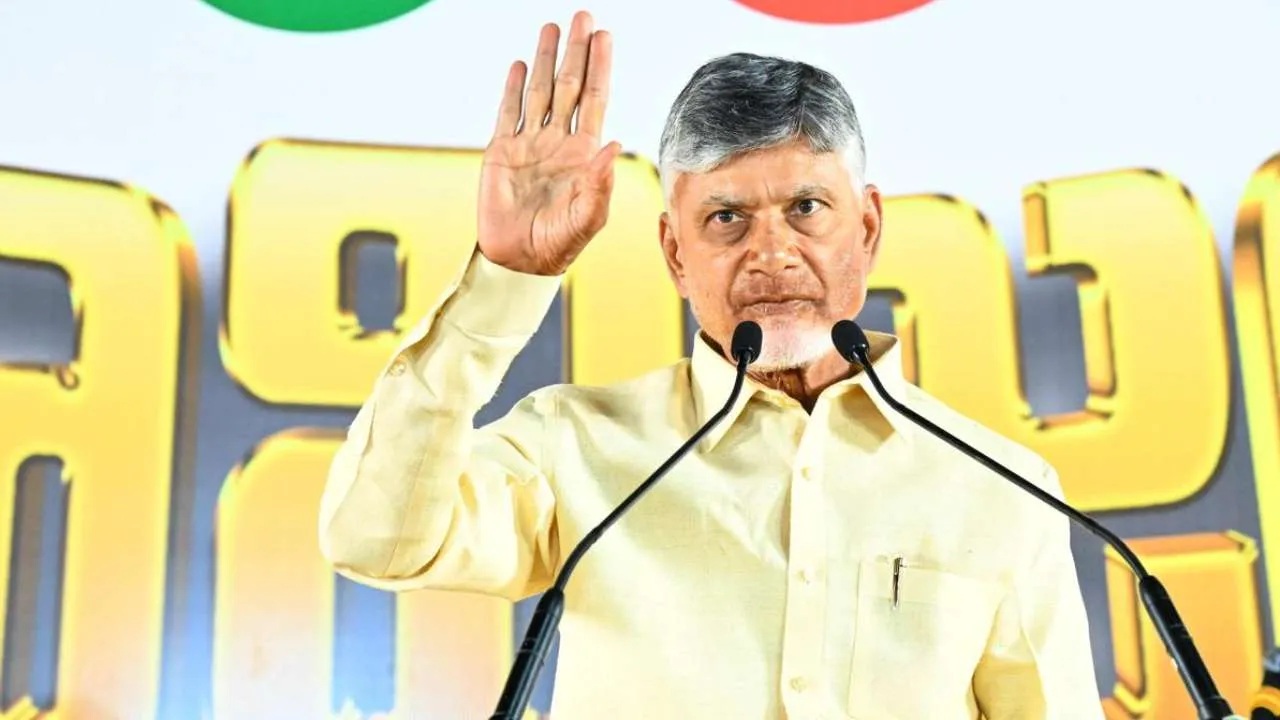
Andhra Pradesh Chief Minister N Chandrababu Naidu
Synopsis: Andhra Pradesh is set to introduce a landmark Backward Classes Protection Act, fulfilling a key TDP poll promise. The draft law, inspired by the SC/ST Atrocities Act, will criminalize 15 forms of caste-based discrimination and harassment against BCs. With consultations underway, the legislation aims to safeguard dignity, property, and rights of 138 BC communities statewide.
The Andhra Pradesh government appears to be in the final stretch of bringing in a Backward Classes (BC) Protection Act, a law intended to safeguard the interests of BC communities across the state. If all goes according to plan, the legislation could soon move from drawing board to statute book.
The proposal is not coming out of the blue. It was, in fact, one of the Telugu Desam Party’s key election promises, repeatedly highlighted during the campaign trail.
Should the government translate the promise into law and implement it effectively, Andhra Pradesh could acquire the distinction of attempting legislative protection specifically for BC communities — a social bloc widely regarded as the backbone of the TDP’s political support.
Speaking in Vijayawada on 14 March, BC, EWS Welfare, Handlooms and Textiles Minister S. Savitha said the legislation has reached an advanced stage of preparation and will be rolled out soon. In her words, the government is determined to see the process through and ensure that the safeguards envisioned under the proposed Act are not merely symbolic but firmly enforceable.
The proposed legislation seeks to provide legal protection for members of the 138 Backward Class communities in Andhra Pradesh. The intent is wide-ranging — covering the protection of life, dignity, property and overall social well-being of individuals belonging to these communities.
According to Savitha, the draft law will make certain forms of discrimination and harassment punishable offences. These include verbal abuse or insults directed at individuals because of their caste identity or traditional occupation, as well as attempts to impose social or economic boycotts on members of BC communities. Such practices, she noted, often go unreported or unpunished despite causing deep social wounds.
The minister explained that the legislation identifies 15 specific forms of harassment or discrimination, each of which will attract stringent legal consequences if proved.
The framework, she said, takes inspiration from the Scheduled Castes and Scheduled Tribes (Prevention of Atrocities) Act, a law that provides strong legal protection to SC and ST communities. The proposed BC Protection Act seeks to extend similar safeguards to BC groups, who currently lack a dedicated legal instrument addressing such forms of discrimination.
Savitha made the announcement following a high-level meeting of BC ministers held at the BC Welfare Director’s office in Vijayawada. The meeting brought together several senior leaders and policymakers tasked with shaping the contours of the legislation.
Among those present were ministers Kinjarapu Atchan Naidu, Kollu Ravindra, and Anagani Satya Prasad, along with MLC Beeda Ravichandra Yadav. Ministers Vasamsetti Subhash, Kondapalli Srinivas, and Satya Kumar Yadav participated in the deliberations through video conferencing.
During the meeting, BC Welfare Department Secretary S Satyanarayana presented a detailed note on the proposed safeguards being incorporated into the draft bill. The provisions, he explained, have been formulated after extensive consultations with legal experts, and guidance from the National Commission for Backward Classes.
Officials indicated that this was at least the third ministerial consultation on the proposed legislation. Earlier meetings helped refine the draft and address several legal and administrative questions. With each round of discussions, the framework of the bill has been sharpened, moving it steadily toward completion.
Ministers at the meeting stressed the need for wider consultations with BC organisations across the state before the bill is finalised. The idea, they said, is to bring as many stakeholders as possible on board so that the legislation enjoys both legal strength and social acceptance.
As part of this process, the government plans to engage with BC MLAs, MLCs, and representatives of BC associations across Andhra Pradesh. Their feedback will be incorporated wherever feasible before the bill takes its final shape.
Once the consultation exercise is complete, the details will be placed before Chief Minister N. Chandrababu Naidu, who will decide the legislative roadmap and timeline for introducing the bill in the Assembly.
Savitha described the proposed Act as a reflection of the coalition government’s commitment to empowering BC communities. She said the initiative is in tune with the promises made in the ruling alliance’s election manifesto and aims to ensure that BC citizens are able to live with dignity, security and opportunity.
If enacted, Andhra Pradesh could become the first state in India to introduce a dedicated BC Protection Act of this nature. While India already has robust legal frameworks safeguarding the rights of Scheduled Castes and Scheduled Tribes, there is no comparable national or state-level law specifically targeting discrimination against Backward Classes. It is felt that the proposed legislation could therefore fill a long-standing gap in the legal architecture of social justice.
The move also forms part of the wider welfare agenda pursued by the NDA government in Andhra Pradesh. Recent state budgets have allocated substantial resources for BC-focused programmes, with allocation crossing Rs 51,000 crore.
The funds support a range of initiatives, including residential schools for BC students, subsidies for traditional weaving communities, and the restoration of 34 percent reservations for BCs in local bodies.
According to sources within the Telugu Desam Party, the proposed Act is also a strategic response to persistent socio-economic challenges faced by BC communities. These communities make up a large share of Andhra Pradesh’s population and are deeply woven into the state’s economic fabric — from agriculture and fisheries to handicrafts and traditional trades.
By making caste-based insults, harassment and organised boycotts legally punishable, the legislation is expected to deter both overt and subtle forms of discrimination. At the political level, the stakes are equally high. BC voters have long been a crucial pillar of support for the Telugu Desam Party, and the leadership appears keen to consolidate that base through policy measures that translate promises into tangible protections.
In the rough and tumble of Andhra Pradesh politics — where electoral waters are rarely calm and the YSR Congress Party remains an ever-present rival breathing down the government’s neck — the proposed BC Protection Act could well become both a social justice initiative and a significant political statement.
(Edited by Amit Vasudev)


