


Published Mar 08, 2026 | 3:25 PM ⚊ Updated Mar 08, 2026 | 3:25 PM

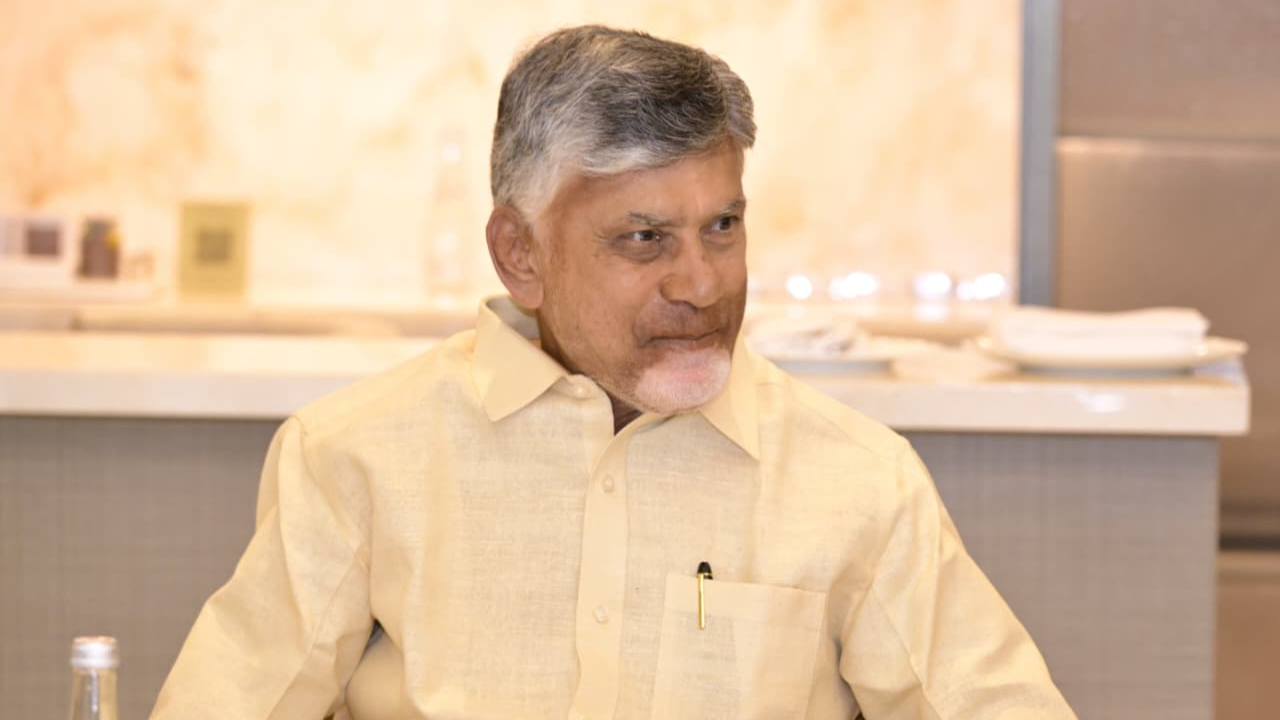
Andhra Pradesh CM Chandrababu Naidu. (X/ncbn)
Synopsis: Andhra Pradesh government has renewed focus on the Polavaram Project after the Central Water Commission flagged design discrepancies and former MP Vundavalli Arun Kumar raised safety concerns. CM Chandrababu Naidu warned officials against negligence, ordered a new diaphragm wall, and urged strict quality standards while seeking central support to resolve regulatory hurdles and accelerate completion of the long-delayed national project.
After years of delays, controversy and technical setbacks, the Andhra Pradesh government appears to be tightening the screws on the long-pending Polavaram Project.
The renewed urgency comes after the Central Water Commission (CWC) flagged concerns over aspects of the project’s design and data earlier this year and former Rajahmundry MP Vundavalli Arun Kumar sounded the alarm in an open letter addressed to AP Chief Minister N Chandrababu Naidu.
Against this backdrop, Chandrababu Naidu convened a high-level review meeting with officials on 6 March and made it abundantly clear that there would be no compromise on quality or safety in the construction of irrigation projects including Polavaram.
Naidu read the Riot Act to officials involved in the project and warned that the government would not hesitate to act against those found wanting in their responsibilities. The safety of people, he said, must remain the first and last word in the execution of major irrigation works.
The latest concerns trace back to a communication from the CWC dated 30 January, which reportedly flagged serious discrepancies in data, design inputs and hydrological modelling related to certain components of the dam works.
The issue gained wider attention after Vundavalli Arun Kumar, who has closely tracked the project over the years, wrote a blistering open letter to the Chief Minister on 5 March urging the government to address the red flags before proceeding further.
In the letter, Arun Kumar cited the CWC’s observations and argued that inaccuracies in historical data and revisions in design parameters must be examined thoroughly in the interest of public safety.
The former MP drew particular attention to Gap-2 of the Earth-Cum-Rock-Fill (ECRF) dam, which forms a critical part of the structure.
According to him, the approved riverbed level at the site stands at +8.32 metres, while construction activities were reportedly proceeding from around +15.50 metres, creating a difference of about 7.18 metres. Such a mismatch, he warned, could have implications for the stability of the structure if not carefully addressed.
Arun Kumar also noted that the diaphragm wall beneath the dam essentially acts as a cut-off wall rather than a structural foundation. With the deep river channel below the dam prone to erosion, he cautioned that the issue required close technical scrutiny.
Warning against rushing ahead with construction without resolving these fundamentals, he said such a course could pose serious risks along the Godavari basin, affecting downstream habitations and infrastructure.
He further pointed out that design documentation from the international consultant AFRY for certain sections of the dam was yet to be fully completed, and urged the state government to order a comprehensive technical review.
At the review meeting on 6 March, Naidu told officials that irrigation projects should not end up as perpetual election promises and must be completed in a time-bound manner.
He directed the authorities to ensure strict adherence to quality standards and warned that any negligence in supervision or execution would invite stringent action.
The CM also took a swipe at the previous YSR Congress Party government led by YS Jagan Mohan Reddy, alleging that negligence during its tenure resulted in damage to the diaphragm wall, which was washed away during floods.
Though there were suggestions earlier that the damaged wall could be repaired, Naidu said he had decided to construct a completely new diaphragm wall to ensure the long-term safety and durability of the dam.
Naidu asked officials to complete the diaphragm wall works by the end of this month and expedite the remaining components so that the project can move forward to impound water up to 41.15 metres.
He also directed them to keep the Centre fully informed about every development related to the project and maintain close coordination with all central departments connected with it.
The idea, officials said, is to ensure that the Centre is constantly apprised of the progress and that the state government’s commitment to completing the project in a time-bound and transparent manner is beyond doubt.
The Polavaram project, built across the Godavari River, has long been described as Andhra Pradesh’s lifeline.
The multipurpose project is expected to irrigate vast tracts of farmland, provide drinking water to several districts, generate hydropower, moderate floods and boost inland navigation.
Declared a national project in 2014 following the bifurcation of Andhra Pradesh, Polavaram has nevertheless been dogged by delays, cost escalations, contractor disputes and technical challenges. The overall project cost is now estimated to have crossed Rs 62,000 crore.
Apparently keen on accelerating the works, Naidu met Union Jal Shakti Minister CR Patil in New Delhi on February 11 and sought the Centre’s support in resolving regulatory hurdles surrounding the project.
He had sought permanent lifting of the “stop-work order.” It is most of the times remains stayed to facilitate the works. The order is issued by the Union Ministry of Environment, Forest and Climate Change.
The directive is linked to environmental compliance concerns, including forest land diversion, wildlife impact and rehabilitation of displaced tribal communities. If the order is removed once and for all, the works could be accelerated.


