

Published Apr 27, 2026 | 12:07 PM ⚊ Updated Apr 27, 2026 | 6:46 PM

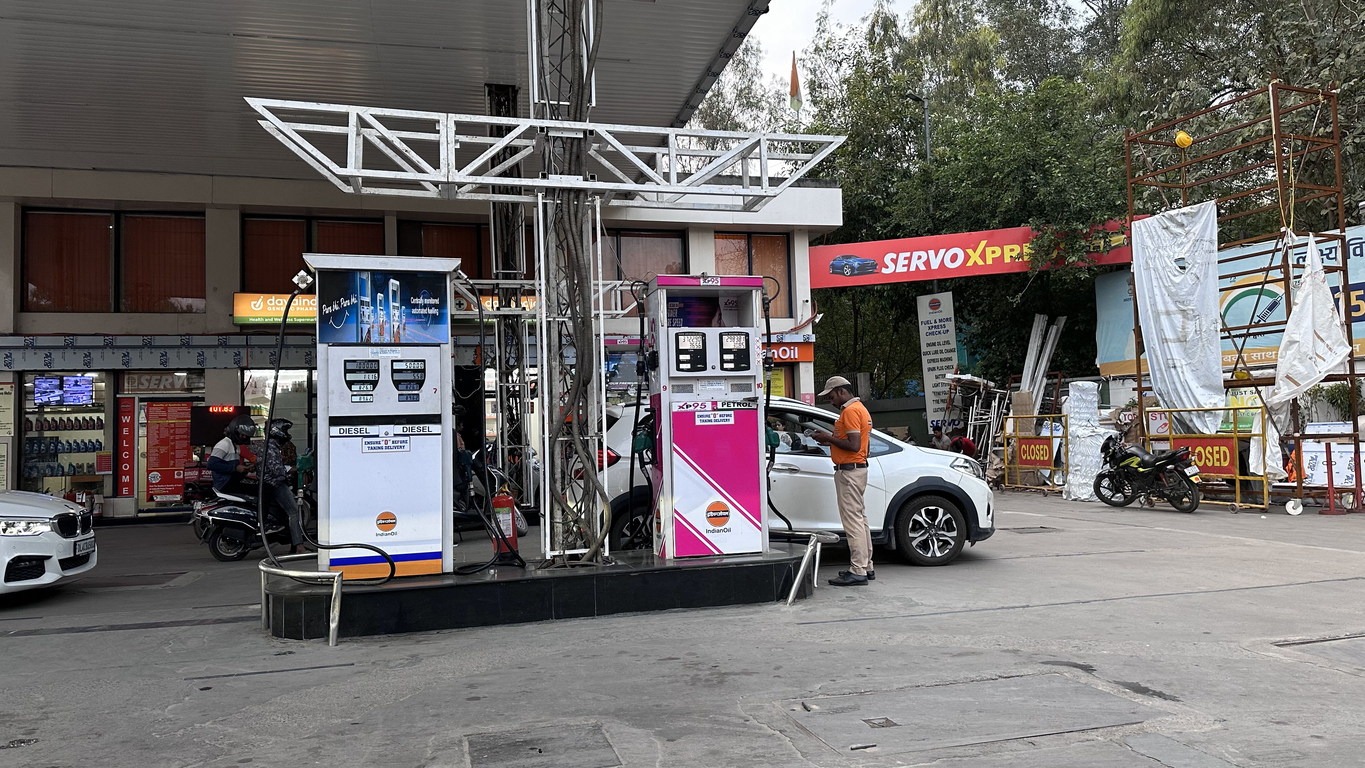
Representational image. Credit: iStock

Synopsis: Andhra Pradesh faces an unprecedented fuel crisis, with 4,500 petrol bunks running dry amid panic buying and supply disruptions. Farmers and key sectors are hit hard, while industrial consumers divert demand to retail outlets. CM Chandrababu Naidu has ordered strict monitoring, enforcement against hoarding, and priority diesel supply for agriculture to stabilise the situation and restore public confidence.
Andhra Pradesh is grappling with an unprecedented fuel crisis, with several petrol bunks across the state shutting down over the past few days due to acute shortages of petrol and diesel.
The situation has disrupted daily life, hit key economic sectors, and triggered panic buying, prompting Chief Minister N. Chandrababu Naidu to step in with an urgent, multi-pronged response to stabilise supplies.
The scale of the crisis is significant. A substantial number of 4,500 fuel stations in the state have reportedly run dry—an occurrence officials describe as unprecedented in Andhra Pradesh.
Long queues have formed at the few functioning outlets, while several districts, particularly in the erstwhile Guntur region, are witnessing a near-complete absence of diesel at many bunks.
Also Read: Plastics, pharma, fertilisers: How West Asia conflict disrupts India’s supply chains
The shortage has severely impacted farmers, who are currently in the midst of paddy harvesting operations. Many have been seen waiting with cans at fuel stations to procure diesel for harvesting machinery. The disruption threatens not only agricultural output but also allied sectors such as aquaculture, which relies heavily on diesel-powered equipment.
District collectors have reported to the state government that private retailers such as Nayara Energy, Reliance, and Jio have suspended fuel supplies to their retail outlets, further aggravating the crisis.
The sudden and sharp surge in demand is understood to be largely driven by panic buying. Official data indicates that consumption patterns were significantly disrupted over the weekend. While the state’s average daily sales stand at around 6,330 kilolitres of petrol and 9,048 kilolitres of diesel, sales on Saturday surged to 10,345 kilolitres of petrol and 14,156 kilolitres of diesel. A similar spike was observed on Sunday.
Despite increased supplies, demand outpaced distribution due to panic-driven purchases and bulk procurement. According to official sources, petrol consumption rose sharply, while diesel usage also witnessed a notable spike. This surge created a cascading effect, rapidly depleting stocks at retail outlets and forcing closures.
With diesel prices for industrial use hovering above Rs 153/litre—significantly higher than retail rates—many bulk consumers diverted their purchases to petrol bunks to cut costs. This shift placed immense pressure on supplies meant for ordinary consumers.
Also Read: Amid Iran war, commercial LPG prices rise; Centre hikes aviation fuel rates
According to official sources, while demand-side pressures played a major role, supply constraints and alleged market behaviour by oil marketing companies (OMCs) have further aggravated the crisis.
Fuel dealers have claimed that supplies from OMCs have declined in recent days, contributing to the shortage. Officials have flagged instances where petrol bunks, despite having available stock, were not selling fuel, raising concerns about hoarding and artificial scarcity.
Adding to the complexity, disruptions in supply chains and the tightening of credit facilities to dealers have reportedly affected inventory cycles, leaving many outlets unable to replenish stocks in time. The OMC representatives had no a proper response to the CM at a review meeting on Sunday when asked why they had revoked credit facility to the petrol bunks.
The crisis has also exposed gaps in administrative response. According to official sources, Naidu expressed strong displeasure after learning that the problem had begun several days earlier but corrective measures were not implemented promptly. This delay allowed panic buying to intensify and the situation to escalate into a full-blown crisis.
He questioned officials and oil companies over their failure to act in time and regulate supplies effectively, warning that any deliberate attempt to inconvenience the public would invite stringent action, including reconsideration of permissions granted to companies.
The CM has directed oil marketing companies to ensure uninterrupted supply and replenish stocks at all petrol bunks on a war footing. District collectors have been instructed to closely monitor the situation, coordinate with fuel dealers, and submit detailed reports on supply and demand.
To curb hoarding and black marketing, enforcement teams comprising police, revenue, and Legal Metrology officials are being deployed at fuel stations. Surveillance measures, including CCTV monitoring, are being strengthened to ensure transparency in sales.
Recognising the impact on agriculture, the government is also considering a coupon-based system to accord priority to diesel supply for farmers. This targeted intervention aims to ensure that critical sectors are not adversely affected during the crisis.
Bharat Petroleum responding to the reports, wrote on X: “Fuel availability across Andhra Pradesh remains normal, and BPCL is ensuring an uninterrupted supply of petrol (MS) and diesel (HSD). Operations are being closely monitored, with teams deployed on the ground round the clock. The supply of both petrol and diesel continues to support daily mobility and critical agricultural and aquaculture activities. The current situation is driven by a sharp increase in sales due to panic buying, leading to an artificial shortage.”
Fuel availability across Andhra Pradesh remains normal, and BPCL is ensuring an uninterrupted supply of petrol (MS) and diesel (HSD). Operations are being closely monitored, with teams deployed on the ground round the clock.
The supply of both petrol and diesel continues to…
— Bharat Petroleum (@BPCLimited) April 27, 2026
Hindustan Petroleum Corporation Limited too responded, and wrote on X: “HPCL assures that fuel availability in Andhra Pradesh remains adequate and stable. Over the past 2–3 days, there has been a temporary surge in demand due to panic buying of petrol (MS) and increased diesel (HSD) consumption during the ongoing agricultural season. This has led to higher-than-normal sales at retail outlets.”
HPCL assures that fuel availability in Andhra Pradesh remains adequate and stable.
Over the past 2–3 days, there has been a temporary surge in demand due to panic buying of petrol (MS) and increased diesel (HSD) consumption during the ongoing agricultural season. This has led…
— Hindustan Petroleum Corporation Limited (@HPCL) April 27, 2026



