

Published Aug 13, 2026 | 10:58 AM ⚊ Updated Aug 13, 2026 | 10:59 AM

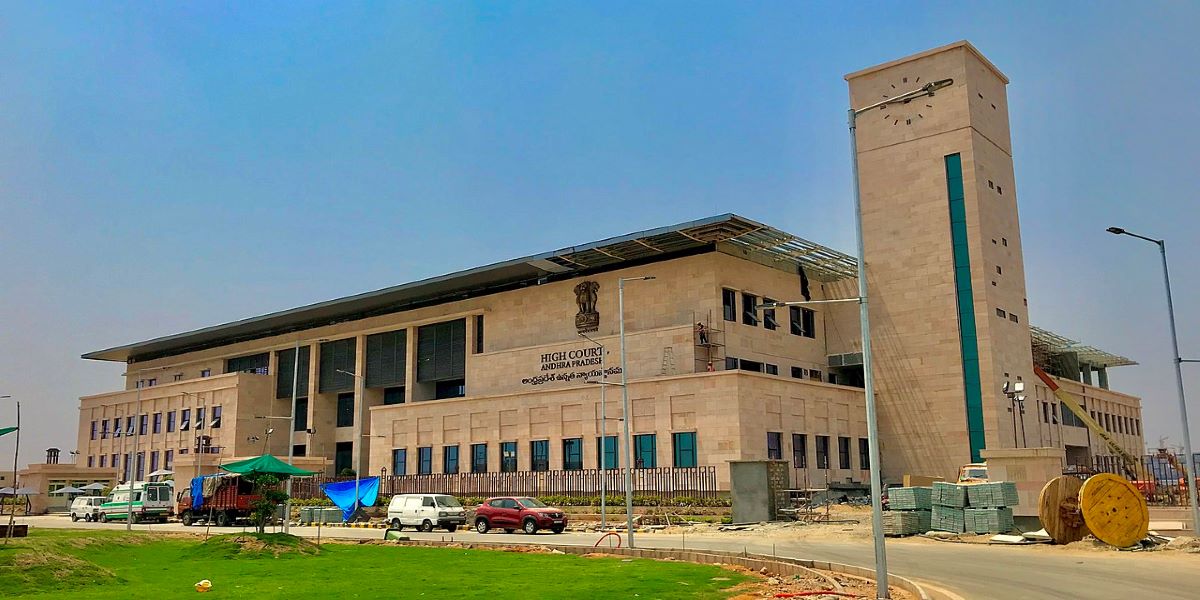
Andhra Pradesh High Court. (Supplied)

Synopsis: The SIT has found that procedural lapses did not vitiate the AP Group 1 selection and that there was no proof of manipulation. A final picture will emerge at the HC’s next hearing.
After several months of intense probe, the Special Investigation Team set up by the AP government has concluded that the selection for Group 1 positions was not vitiated, though there were multiple procedural lapses at different stages.
The primary findings of SIT, according to the report submitted to the AP High Court on August 12, were these: a) there was no indication of any manipulation; b) bar codes of answer scripts were found intact; and c) the interview process for final selection was in accordance with laid down rules.
The selection process of 163 candidates, which began during the previous YSR Congress regime in 2018 through the AP Public Service Commission (APPSC), was marred by multiple legal challenges before the present Telugu Desam government issued the appointment orders soon after it came to power in June 2024.
This too was challenged by the unselected candidates, even as the State Government arrested a senior IPS officer PSR Anjaneyulu and others, holding them accountable for procedural lapses at various stages of the selection process. The HC preferred investigation by a SIT.
The saga of examinations conducted by APPSC is as follows: based on a notification issued in 2018, a preliminary test followed by a main examination was completed by December 2020. Because of the COVID-19 pandemic, the Commission preferred digital evaluation of the answer scripts.
Challenging the digital evaluation because it was not mentioned in the job notification, candidates went to the HC, which struck it down and wanted a manual evaluation to be done.
A second manual evaluation was done at a private resort near Vijayawada between March and May 2022 and that turned out to be the controversial part of the entire process. The SIT contended that what was done at the Hailand resort was not an evaluation, and yet payment of Rs 1.14 crore was made to the agency hired for evaluation. The APPSC too argued that no evaluation was done, and the money was paid towards logistics.
“The agency hired data entry operators who passed tenth, intermediate or at best degree and were working as electricians and clerks. They merely entered, tabulated and bubbled the marks already given in the digital evaluation in the OMR valuation scripts,” the SIT claimed. The intention was to project that a manual evaluation was done as directed by the HC, but in reality no independent subject-wise evaluation of answer scripts was done, as mandated.
The APPSC, meanwhile, saw a change of guard and the new head preferred another round of “manual evaluation” (to fulfil the HC mandate), which was done by hiring subject experts from colleges and universities. An interview process followed, based on which appointment orders were issued. The SIT noted that no deviation was noticed in the interview process, either in the grading pattern or constitution of interview boards.
Several candidates once again challenged the appointments, but the HC refused to stay the process while ordering an investigation.
The SIT was primarily tasked with the responsibility of verifying the integrity of the answer scripts, correctness of the barcode system and authenticity of the final manual evaluation.
The investigation agency pointed out various procedural lapses at different stages of the entire process that lasted years, but the sum and substance of its findings was that none of it vitiated the selections.
One of the specific questions posed by the HC was “whether the answer scripts of selected candidates are intact and whether there is tampering in any form?” To this, the SIT said: “alterations were made in the answer scripts in regard to marks, but they were not indicative of any manipulation.”
The other question by the HC was “whether the bar codes on answer sheets, original OMR sheets and the freshly generated OMR sheets used during the final manual evaluation are the same?”
The SIT, based on its inquiry and reports submitted by the Forensic Laboratory at Hyderabad, said: “Bar codes relating to 163 selected candidates were found to be identical and matching across the original answer scripts, original OMR valuation and the new OMR slips utilised during the final evaluation.”
Going by the SIT report, the only conclusion it appears to have made was the alleged misuse of public funds for conducting the “so-called” manual evaluation at the Hailand resort, which, in effect, has not happened. Arrests were made in this regard and the trial is going on.
Curiously, the SIT noted that the rules of APPSC did not permit re-evaluation and yet it was done, citing this as a lapse. Interestingly, the SIT itself dismissed the evaluation at Hailand as not having been done. This meant that the final manual evaluation was in accordance with the orders issued by the High Court, which had struck down digital processing. Therefore, how this amounts to a violation of Rule 3 (ix) of APPSC, which prohibits re-evaluation, is perplexing.
A final picture will emerge when the HC considers the report submitted by the SIT at the next hearing.
(Edited by R Rajesh Kumar.)



