

Published Jan 05, 2026 | 11:33 AM ⚊ Updated Jan 05, 2026 | 11:33 AM

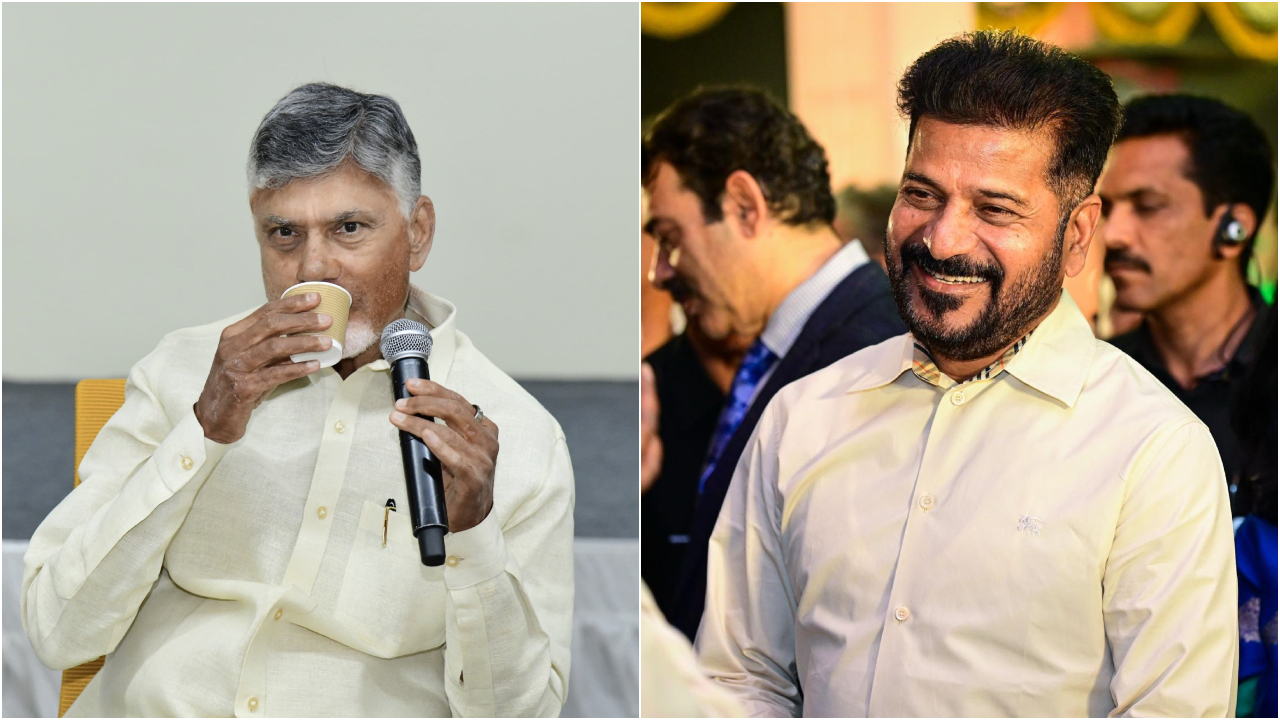
Ever since bifurcation in 2014, water sharing between Telangana and Andhra Pradesh has been a simmering feud. Credit: x.com/ncbn, x.com/revanth_anumula
Synopsis: Revanth Reddy’s Assembly claim that Chandrababu Naidu shelved the Rayalaseema Lift Irrigation Scheme at his request has ignited a storm in Andhra Pradesh. While Telangana CM sought to project strength, the remark stoked fears of betrayal in drought-hit Rayalaseema. TDP faces backlash, YSRCP attacks, and Naidu’s silence risks eroding his image as a builder and protector of water security.
What was meant to be a riposte in the Telangana Assembly has turned into a political sinkhole for the TDP-led NDA government in Andhra Pradesh.
During a heated debate on 1 January, Chief Minister A Revanth Reddy made a disclosure that sent ripples through the Telugu states. While defending his government’s handling of the Palamuru–Rangareddy Lift Irrigation Scheme (PRLIS), he said Andhra Pradesh Chief Minister N Chandrababu Naidu had shelved the Rayalaseema Lift Irrigation Scheme (RLIS) at his personal request.
The remark was aimed at silencing critics at home. Instead, it set off a political storm in Andhra Pradesh.
Revanth Reddy was countering BRS allegations that he had slowed PRLIS to please his “former boss” Naidu, a reference to his earlier stint in TDP before joining Congress in 2017. To turn the tables, he claimed that Naidu himself had obliged Telangana by shelving RLIS after a closed-door meeting.
The message in Telangana was clear. Revanth Reddy wanted to project himself as a chief minister who put state interests first and stared down even his political mentor. But across the border, the subtext was explosive.
Rayalaseema is Andhra Pradesh’s drought bowl. Chronic water scarcity and recurring crop failures define its politics. Any hint that a lifeline project was junked at another state’s behest strikes a raw nerve.
The Krishna River dispute sits at the heart of the matter. Ever since bifurcation in 2014, water sharing between Telangana and Andhra Pradesh has been a simmering feud. The Krishna Water Disputes Tribunal-I had allocated 811 thousand million cubic feet (TMC) of water to the undivided state, but how that pie is sliced remains contentious. The river has stayed a powder keg.
RLIS was conceived as Rayalaseema’s escape route. Pushed aggressively during YS Jagan Mohan Reddy’s tenure, the project aimed to lift 3 TMC of water a day from Srisailam. The promise was ambitious: irrigate nearly six lakh acres across Anantapur, Kadapa, Kurnool and Chittoor. For a region often dubbed the “desert of Andhra,” it was sold as a game-changer.
Against this backdrop, Revanth Reddy’s claim landed like a thunderbolt. By suggesting that Naidu had shelved RLIS at his request, he appeared to paint the Andhra Pradesh chief minister as having caved in. The optics were damaging. It fed the narrative that Rayalaseema’s interests had been bartered away.
The backlash was swift. Within hours, the TDP government issued a sharp rebuttal. It rejected Reddy’s version outright. RLIS, it said, was halted by the Union government before the TDP returned to power in June 2024. The reasons, according to the government, were legal hurdles and what it called mismanagement under the previous YSRCP regime — not any political understanding with Telangana.
Naidu himself chose caution. Returning from a family holiday abroad on 4 January, he brushed aside media queries with a terse line. He would speak later, he said. No off-the-cuff remarks. The pause, however, did little to calm the storm. He is expected to clarify his stand in the coming days.
The silence has its costs. Naidu’s political strength has long rested on his image as a builder and problem-solver. In Rayalaseema, RLIS was central to that image. The region’s 52 Assembly seats were crucial to the TDP’s 2024 landslide, which was fuelled by promises of water security and attacks on the YSRCP for dragging its feet on irrigation.
Rayalaseema’s vulnerability amplifies the risk. The region receives less than 700 mm of rainfall annually, well below the national average. Drought, migration, and agrarian distress are recurring features. RLIS was pitched as a way to harness floodwaters, stabilise agriculture and spur allied sectors like horticulture and dairy. Any suggestion that it was sacrificed for political convenience hits home.
This is where TDP feels the heat. Even if Revanth Reddy’s claim is contested, the perception of capitulation can be as damaging as the act itself. Water politics is an emotive issue in Rayalaseema. Small farmers and backward caste voters — a core TDP constituency — are unlikely to take kindly to the idea that their interests were short-changed.
The Opposition YSRCP, smelling blood, wasted no time in sharpening its knives. Party general secretary and MLA Gadikota Srikanth Reddy demanded to know why RLIS was shelved and whether it was done to please the Telangana chief minister. He accused Naidu of pushing Rayalaseema back into a water crisis. “He has signed a death warrant for Rayalaseema,” he charged.
Ironically, in Telangana, BRS continues to target Revanth Reddy, accusing him of being hand-in-glove with Naidu. Yet the bigger wound has opened in Andhra Pradesh. What began as a defensive flourish in the Assembly has turned into a political albatross for the TDP.
In trying to assert Telangana’s rights, Revanth Reddy may have inadvertently exposed the soft underbelly of Naidu’s government. For TDP, the challenge now is not just to rebut a claim, but to reassure a restless region that its thirst has not been traded away.
(Edited by Amit Vasudev)


