

Published Nov 26, 2026 | 8:28 PM ⚊ Updated Nov 26, 2026 | 8:28 PM

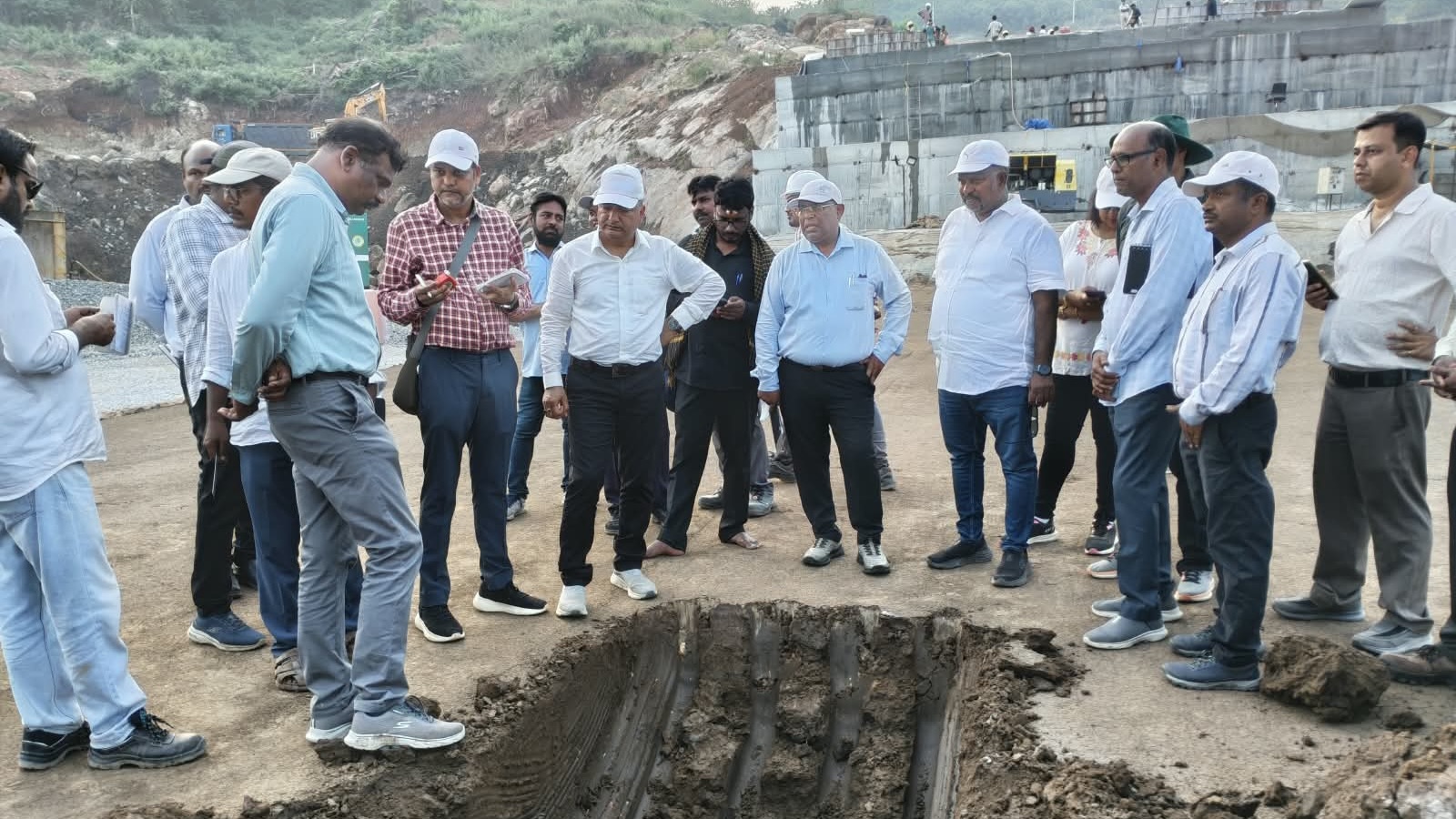
Polavaram Project Authority CEO Sanjeev Vohra inspected the quality of ECRF construction

Synopsis: CSMRS scientists conducted three days of tests on soil stored at Paidipaka and the Gap-3 area for the Polavaram Earth-cum-Rockfill Dam (ECRF), collecting samples for further laboratory analysis. PPA CEO Sanjeev Vohra inspected the construction quality on 26 November, conducted on-the-spot tests to assess structural strength and directed officials to ensure proper compaction of soil and rock layers without gaps.
Scientists from the Central Soil and Materials Research Station (CSMRS) have conducted three days of tests on soil earmarked for the construction of the Earth-cum-Rockfill Dam (ECRF) at the Polavaram project, examining whether it meets construction standards. The team collected soil samples for further laboratory analysis.
The tests covered soil stored at Paidipaka and the Gap-3 area, where material has been kept for future construction. CSMRS scientists Harindra Prakash, Srihari T Nair and Amit Sen conducted the tests over the past three days.
Separately, Polavaram Project Authority (PPA) Chief Executive Officer Sanjeev Vohra inspected the quality of ECRF construction on the morning of Thursday, 26 November.
Also Read: TDP-led NDA govt gets its act together after CWC flags flaw in Polavaram Project
The Polavaram multipurpose project is being constructed across the Godavari as part of the assurances given under the Andhra Pradesh Reorganisation Act, with funding from the Union government. The Centre and the State government have set a target of completing the first phase of construction by 2027.
Vohra directed officials to follow quality standards at every stage of construction. He said there should be no gaps between soil and rock layers and no compromise on structural strength.
He also inspected instruments installed at the site to monitor underground water seepage and soil moisture levels. He sought details from the staff on their functioning and the technical data they were recording.
During a three-hour inspection, he examined different stages of the work and conducted on-the-spot tests to assess structural strength.
(Edited by Dese Gowda)



