


For much of his political journey, Kalyan cultivated the image of an idealist uncomfortable with raw power.

Published Dec 21, 2025 | 11:31 AM ⚊ Updated Dec 21, 2025 | 11:33 AM

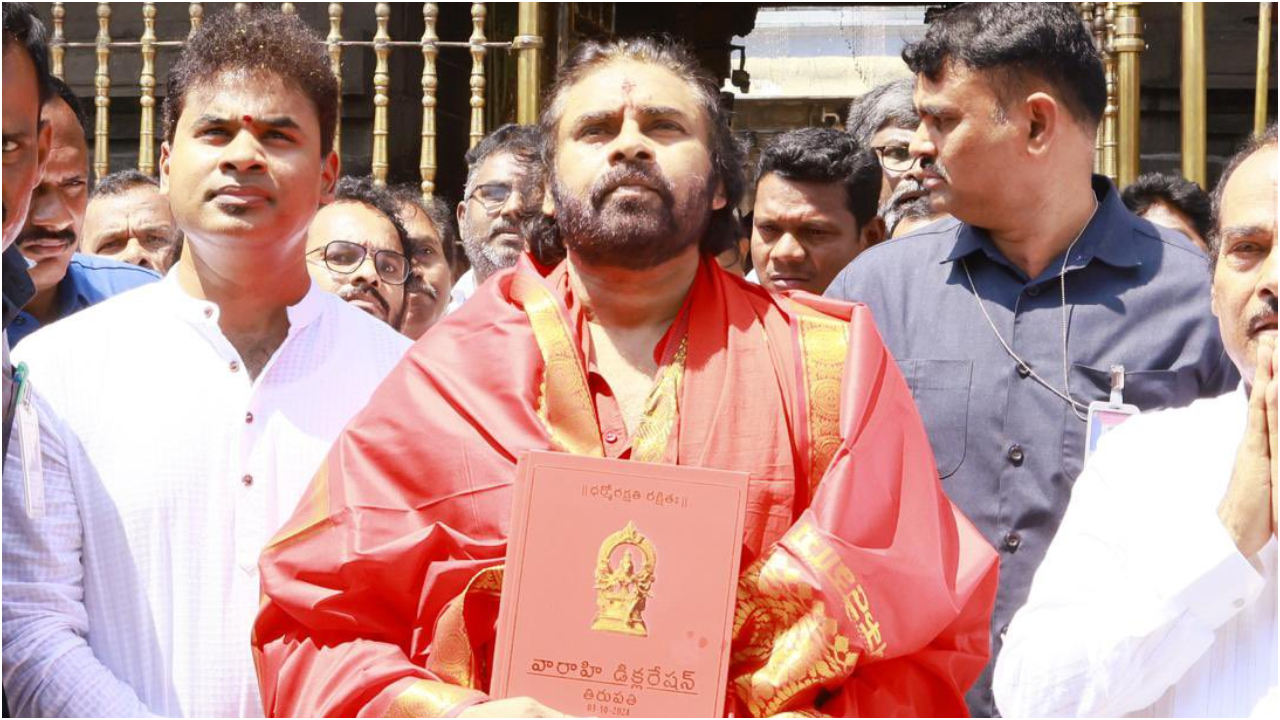
Andhra Pradesh DyCM Pawan Kalyan. Credit: x.com/PawanKalyan
Synopsis: Andhra Pradesh Deputy Chief Minister Pawan Kalyan’s invocation of “Yogi Adityanath–style treatment” signals shift from persuasion to deterrence in governance. At Peravali, he warned against intimidation of contractors, attacked caste politics in schools, and projected himself as a reformist willing to wield authority. Politically, his stance marks a decisive move toward command-driven leadership challenging entrenched practices and identity-based strategies.
Andhra Pradesh Deputy Chief Minister Pawan Kalyan’s sharp invocation of “Yogi Adityanath–style treatment” for those obstructing development marks a deliberate political shift in Andhra Pradesh’s governance narrative — from accommodation and persuasion to deterrence and authority.
Speaking at the launch of the Amarajeevi Jaladhara Water Grid Project at Peravali in East Godavari district, Pawan Kalyan framed intimidation of contractors and disruption of public works not merely as administrative challenges, but as a direct political threat to the state’s development agenda.
His warning was aimed squarely at the remnants of the previous regime, which he accused of attempting to rule from the shadows through fear and intimidation.
By invoking it, Kalyan sought to send a message to three audiences simultaneously: Contractors who are wary of reprisals from YSRCP, bureaucrats hesitant to act, and political opponents accustomed to impunity.
For much of his political journey, Kalyan cultivated the image of an idealist uncomfortable with raw power. His remarks at Pervali suggest a recalibration.
The emphasis on breaking the culture of threats, warning of strong political decisions, and insisting that “boundaries will be erased” if crossed indicates a leader willing to exercise coercive authority to protect governance outcomes.
Equally significant was Pawan Kalyan’s sharp attack on the alleged introduction of caste identities among schoolchildren in Pithapuram. This was not merely moral outrage but strategic positioning.
By framing caste politics as an assault on children and education, he sought to occupy the high ground of social reform and ethical politics, while portraying his opponents as cynical actors willing to poison the next generation for short-term electoral gain.
In a state where caste arithmetic has long influenced electoral outcomes, this stance allows Pawan Kalyan to project himself as a leader attempting to transcend identity politics, even while operating within its realities.
Whether this muscular posture translates into sustained administrative action remains to be seen. But politically, the message is unambiguous: Andhra Pradesh’s leadership is signalling a shift from conciliatory politics to command-driven governance.
(Edited by Amit Vasudev)


