


Published Mar 25, 2026 | 7:12 PM ⚊ Updated Mar 25, 2026 | 7:12 PM

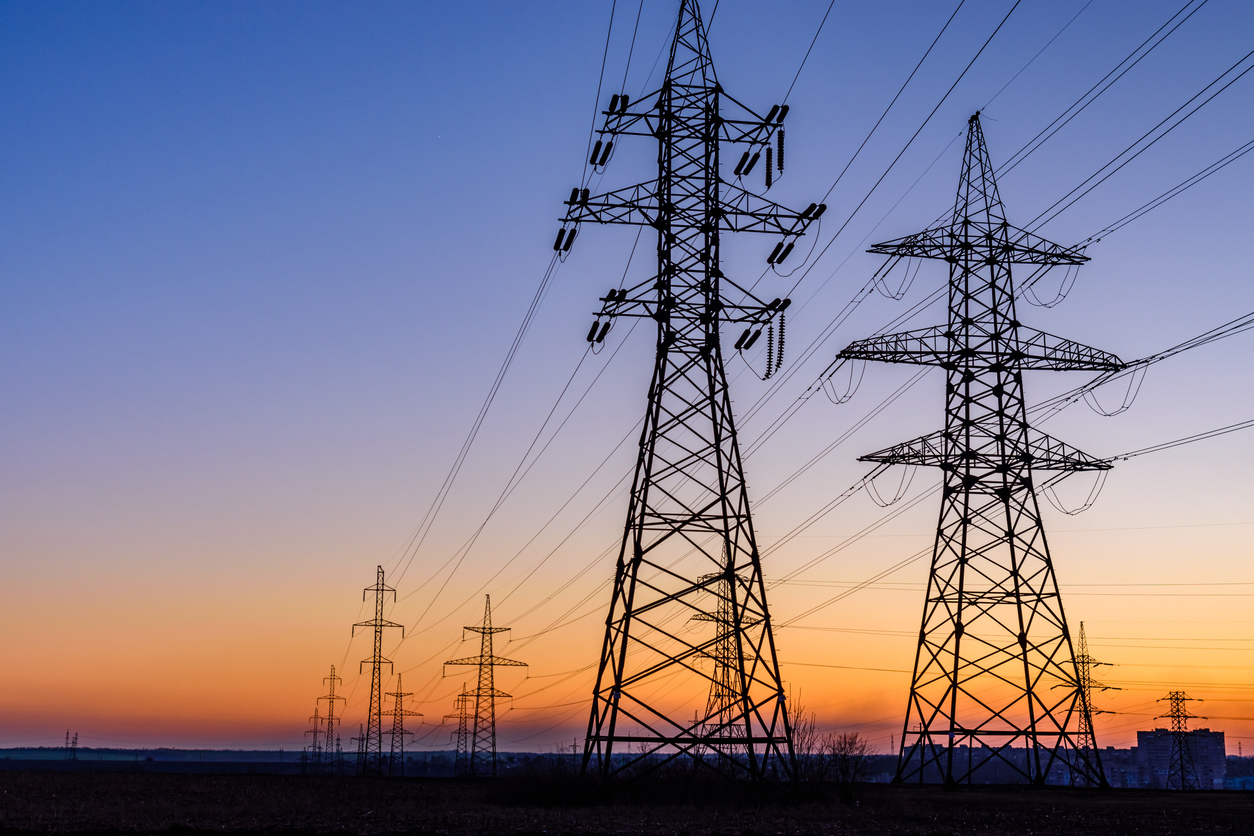
No power tariff hike in Andhra Pradesh. (iStock)
Synopsis: The decision is expected to benefit a wide spectrum of users across the state. As many as 1.13 crore domestic consumers will be protected from tariff increases, while about 22 lakh farmers will continue to receive free power supply. In addition, nearly 22 lakh Scheduled Caste, Scheduled Tribe and economically weaker households will continue to receive free or subsidised electricity through the Direct Benefit Transfer (DBT) mechanism.
In a significant relief to consumers, the Andhra Pradesh Electricity Regulatory Commission (APERC) has approved zero increase in electricity tariffs for the financial year 2026–27.
The tariff order issued on Wednesday, 25 March, also includes the true-up/down and performance review of power distribution companies (DISCOMs) for FY 2024–25. The order follows an extensive public consultation process.
Despite DISCOMs projecting a revenue gap of ₹17,508 crore, the Commission approved a lower gap of ₹15,790 crore, with the Government of Andhra Pradesh stepping in to fully bridge the shortfall.
This intervention effectively ensures that consumers will not face any tariff hike or additional burden through true-up charges in the coming financial year.
The decision is expected to benefit a wide spectrum of users across the state. As many as 1.13 crore domestic consumers will be protected from tariff increases, while about 22 lakh farmers will continue to receive free power supply. In addition, nearly 22 lakh Scheduled Caste, Scheduled Tribe and economically weaker households will continue to receive free or subsidised electricity through the Direct Benefit Transfer (DBT) mechanism.
In a notable move aimed at boosting economic activity, APERC has reduced commercial tariffs from ₹12.25 per unit to ₹9.95 per unit, benefiting around two lakh consumers. Further, the load limit for cottage industries has been doubled from 10 HP to 20 HP, a step expected to support nearly 18,000 small enterprises across the state.
The Commission has also introduced a set of structural reforms corresponding with the tariff regime with emerging industrial and clean energy needs. These include the creation of a new tariff subcategory for solar module manufacturing, reclassification of water purification plants and printing presses as industrial units, and rationalisation of tariffs for utilities such as national highway street lighting. Special provisions have also been extended to sectors such as poultry and seasonal processing industries.
At the same time, APERC rejected several proposals that could have increased the burden on consumers. These include changes to the Time-of-Day tariff structure, a shift to non-telescopic billing for certain categories, and the removal of the green power category—decisions that reinforce the Commission’s pro-consumer stance.
Alongside tariff measures, the regulator has issued key directions to DISCOMs to strengthen operational efficiency and financial discipline.
These include expediting the clearance of subsidy dues and government department arrears, reducing private outstanding payments, and improving electrical safety standards. DISCOMs have also been asked to establish public reporting systems for safety issues through digital platforms such as websites and WhatsApp, while ensuring compliance with national benchmarks and reforms under central schemes.
Financially, the order presents a tightly balanced framework. The total Aggregate Revenue Requirement (ARR) of the three DISCOMs has been approved at ₹59,158 crore, against an estimated revenue of ₹44,901 crore, leaving a net gap of ₹15,790 crore. This entire gap will be covered through government subsidy support.


