

Published Jan 30, 2026 | 4:53 PM ⚊ Updated Jan 30, 2026 | 4:53 PM

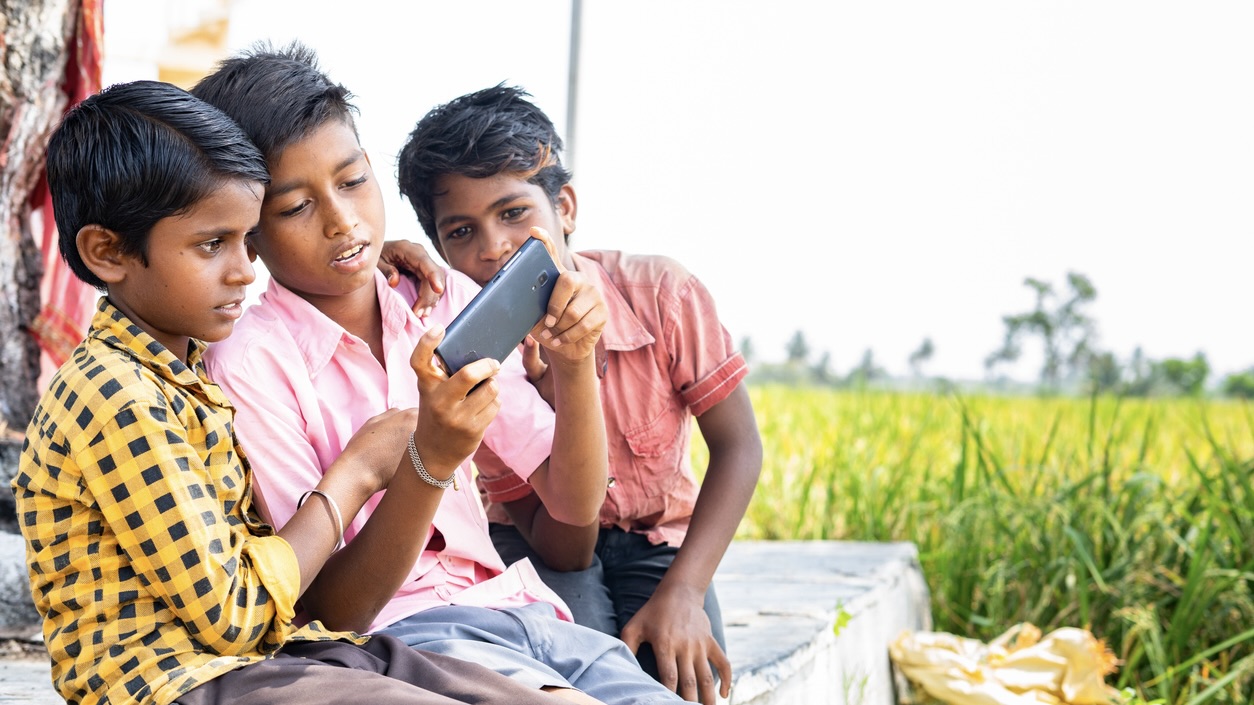
The Economic Survey proposed strict age-based access limits.
Synopsis: The Andhra Pradesh government is moving to restrict minors’ access to social media after the State’s Economic Survey 2025–26 warned that unrestricted digital use is harming education, mental health and productivity, particularly among young users. At a Group of Ministers meeting chaired by Education and IT Minister Nara Lokesh, ministers called for clear age-based guardrails, citing concerns over anxiety, cyberbullying, online abuse.
The Andhra Pradesh government is planning a policy to curb unrestricted social media use by minors after the recently published Economic Survey 2025–26 said high-intensity digital use carries “real economic and social costs.” These include lost study hours, falling productivity, rising healthcare burdens, and financial losses linked to risky online behaviour.
The survey said social media platforms deploy engagement strategies that verge on “predatory,” especially for users aged 15 to 24. The fallout includes anxiety, depression, and low self-esteem.
At a high-level Group of Ministers (GoM) meeting at the State Secretariat, chaired by Education, IT and Electronics Minister Nara Lokesh, ministers asked officials to put clear guardrails in place to keep minors below a defined age off social media platforms.
Children, ministers agreed, are paying a price for endless scrolling: shorter attention spans, disrupted learning, cyberbullying, and online abuse, with women and minors often in the firing line.
Lokesh asked officials to study global models from Singapore, Australia, Malaysia, and France while anchoring a policy locally. The aim, he said, is to protect children without throttling the benefits of technology.
Civil Supplies Minister Nadendla Manohar pointed to Malaysia, where social media access is limited to those aged 16 and above through strict e-KYC verification linked to the My Digital ID system and passport details.
On one point, the GoM found common ground: children must be shielded. It stopped short, however, of fixing an age limit, asking officials instead to scan international laws before drawing a final line.
Compliance officers from major platforms such as Google, Meta, and X (formerly Twitter) will be roped in for future meetings. Against habitual offenders who spread fake news or stir hatred in the name of caste, religion, or region, Lokesh took a hard line.
He directed the appointment of a State-level adjudicating officer under Section 46 of the IT Act to act against violations. Some cases, officials said, are already being pursued through the Centre’s Sahyog portal. Beyond platform regulation, the meeting also turned to the broader cyber ecosystem: curbing online offences and strengthening the network of cyber police stations across the State.
The presence of Home Minister Vangalapudi Anitha, I&PR Minister Kolusu Parthasarathi, Health Minister Satyakumar Yadav, and senior officials from the cyber crime, information, and prosecution departments underlined the urgency with which the State government is trying to address the issue.
The Economic Survey cited global examples to back its concerns. China’s gaming “fatigue system” limits playtime to an hour on weekends through real-name registration. South Korea’s former “Cinderella law” imposed a midnight gaming curfew before later shifting to parental controls.
Smartphone bans are in place in classrooms across France, Spain, Brazil, and parts of the United States. Even the World Health Organization has recognised gaming disorder under ICD-11.
Against this backdrop, the survey called for a multi-pronged approach. It proposed strict age-based access limits, with platforms enforcing verification and age-appropriate defaults across social media, online gaming, auto-play features, and targeted advertising.
It also recommended simpler devices for children—basic phones or education-only tablets—with hard usage limits and content filters.
At the network level, the survey pitched family-friendly ISP plans: separate quotas for educational and recreational apps, and high-risk content blocked by default and unlocked only with a guardian’s consent.
In schools, it called for digital wellness curricula, cyber-safety drills, peer mentoring, mandatory physical activity, and a pullback from excessive online tools in post-COVID classrooms.
Families, the survey said, remain the first line of defence: screen-time caps, device-free hours, more outdoor play and offline hobbies, and parents’ workshops through schools and community groups.
Beyond households, the roadmap includes expanding Tele-MANAS for digital addiction counselling, setting up offline youth hubs, and generating hard data through the upcoming Second National Mental Health Survey.


