

Published Jan 27, 2026 | 6:51 PM ⚊ Updated Jan 27, 2026 | 6:51 PM

By reviving surface water bodies, the project set out to recharge groundwater, slow soil erosion and support biodiversity.
Synopsis: A community-led water conservation effort in drought-hit Anantapur district in Andhra Pradesh has revived more than 10 long-neglected reservoirs, drawing praise from Prime Minister Narendra Modi. The Ananta Neeru Sanrakshanam Project brought together villagers and the administration to desilt tanks, restore storage capacity and plant native trees, helping surface water return and easing pressure on groundwater.
One of India’s most drought-prone regions, Anantapur district in Andhra Pradesh, has long battled water scarcity.
Red sandy soil. Low annual rainfall of about 500 mm. Frequent dry spells. Plummeting groundwater levels.
For decades, these conditions fuelled farm distress and seasonal migration, earning the region unflattering comparisons with semi-desert landscapes.
Recently, a community initiative called the “Ananta Neeru Sanrakshanam Project” set out to tackle the problem head-on, calling on residents to work hand in glove with the administration to revive long-neglected water bodies.
Those efforts have now drawn praise from Prime Minister Narendra Modi in the latest edition of Mann Ki Baat, his monthly radio address.
More than 7,000 trees were planted around restored reservoirs.
He said residents cleaned reservoirs, revived more than 10 water bodies, and planted thousands of trees with administrative support.
He described the initiative as a shining example of Jal Shakti, people’s power at work.
Chief Minister N Chandrababu Naidu welcomed the Prime Minister’s acknowledgement.
Officials and residents say more than 10 reservoirs—some put the figure at 11—have been revived and are now holding water again. The change has been swift and visible.
Barren patches have turned blue and green. Children have been seen swimming in the restored tanks. In a land used to dry taps and empty wells, the sight marks a clear shift.
The initiative was spearheaded by Indian Forest Service Officer Vineet Kumar during his tenure as district forest officer in Anantapur.
He was closely supported by his wife, Rupak Yadav, a wildlife conservationist and renewable energy professional. Together, they anchored the project in science, local tradition, and community participation.
Native species suited to Anantapur’s harsh climate were prioritised.
The idea was simple: conservation should not be imposed from the top. It must grow from the ground up.
Yadav told South First that she studied the region carefully before launching the project. “I approached it scientifically,” she said.
“I selected native species to be planted around the restored water bodies. I named it Ananta Neeru Samrakshana. It is part of my larger effort to promote afforestation and water conservation.”
She said she is carrying out similar work in Kadapa with the Forest Department.
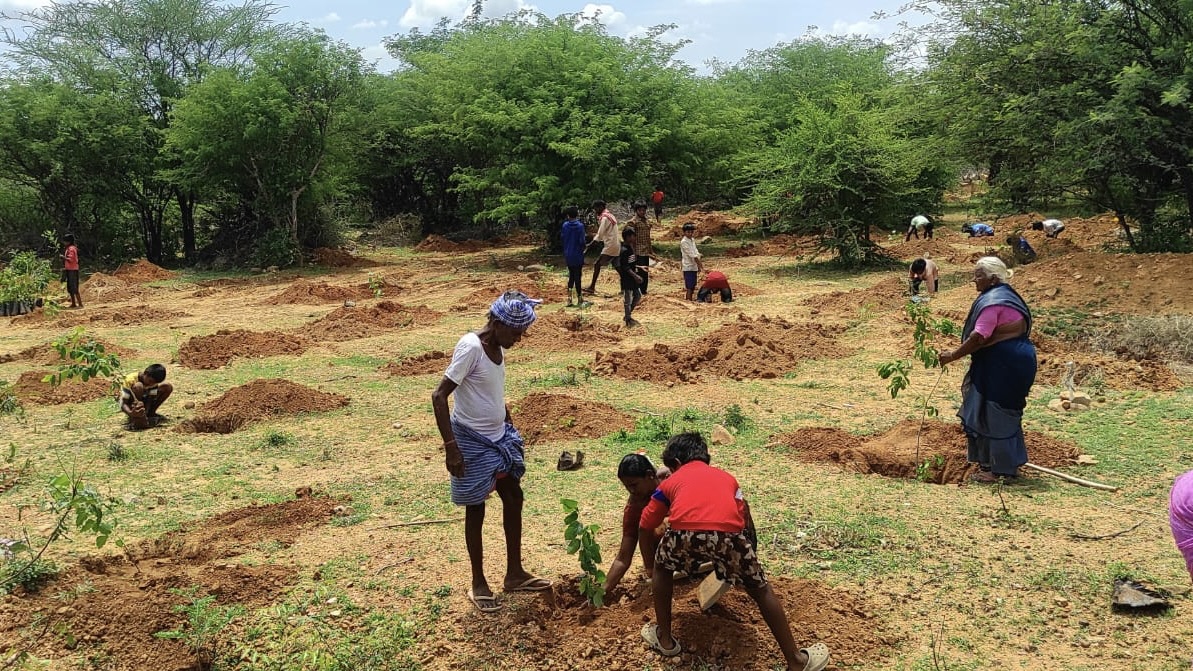
More than 400 villagers took part in the restoration work. They contributed labour. They took pledges. They committed to maintaining the revived tanks for the long term.
The administration acted as a facilitator, providing technical guidance, equipment, and logistical support. What began as a small local effort soon spread across the district.
The project began on a modest scale. The focus was on reviving traditional water bodies, tanks and reservoirs that had fallen into disuse because of silt and neglect. Villagers first identified these “dead” water bodies.
Then they got to work. Silt, debris and garbage were removed. Original depth and storage capacity were restored. With administrative support for planning and machinery, the effort soon gathered pace.
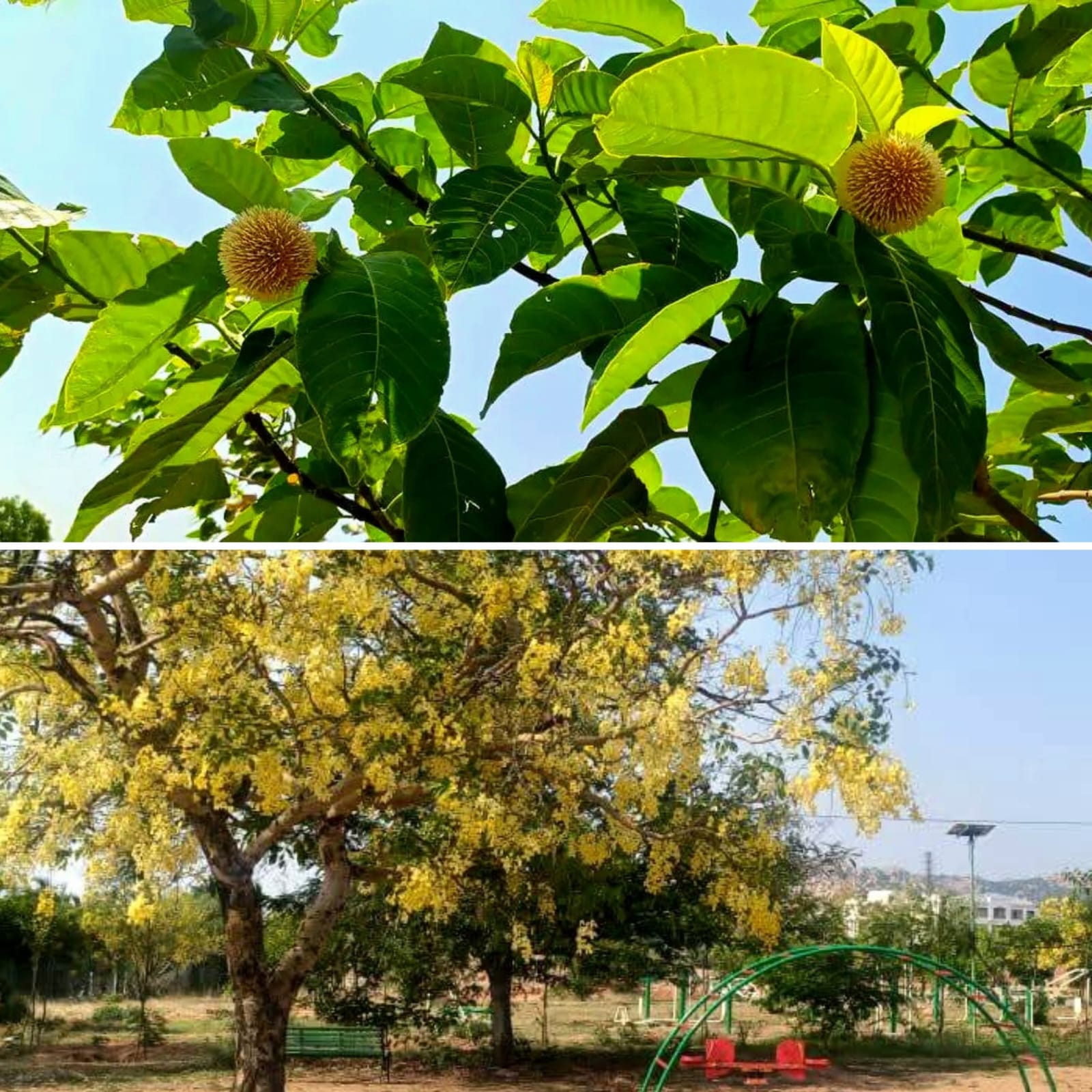
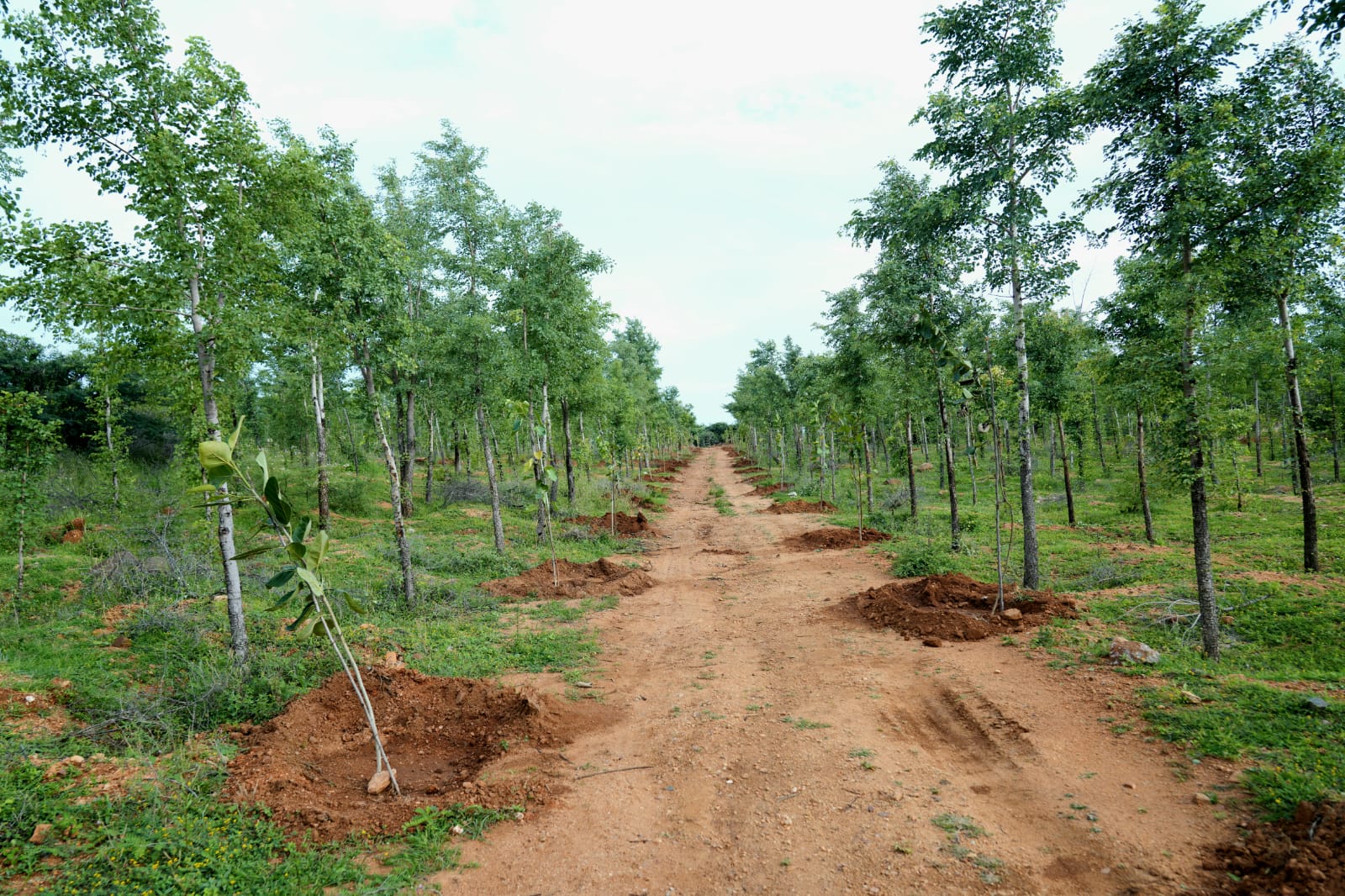
Afforestation was a key pillar of the project. More than 7,000 trees were planted around restored reservoirs to improve water retention, reduce evaporation and stabilise soil.
Native species suited to Anantapur’s harsh climate were prioritised. Local nurseries were set up to raise saplings. Beyond the core sites, the green drive spread across the district, with over 5 lakh saplings distributed for wider ecological restoration.
The goals went beyond storing rainwater. By reviving surface water bodies, the project set out to recharge groundwater, slow soil erosion and support biodiversity.
Early signs are encouraging. Groundwater levels in nearby areas have improved, easing pressure on farmers dependent on borewells and rain-fed agriculture.
The works also generated short-term employment, putting money directly into local hands.
Rayadurgam MLA Kaluva Srinivasulu, speaking to South First, said the mission to revive water bodies began when the Telugu Desam Party-led National Democratic Alliance (NDA) first came to power in 2014.
After the NDA returned to office for a second term, he said he took a personal interest in the Ananta Neeru project on the outskirts of Rayadurgam.
“Water bodies have been restored. About 7,000 saplings were raised. They have all grown now,” Srinivasulu said.
“Residents visit the site for relaxation. It has become a green lung for the town.”
He said his aim is to replicate similar restoration work across Anantapur district. “We are raising 64 lakh plants across the district,” he added.


