

Published May 14, 2026 | 3:54 PM ⚊ Updated May 14, 2026 | 3:54 PM

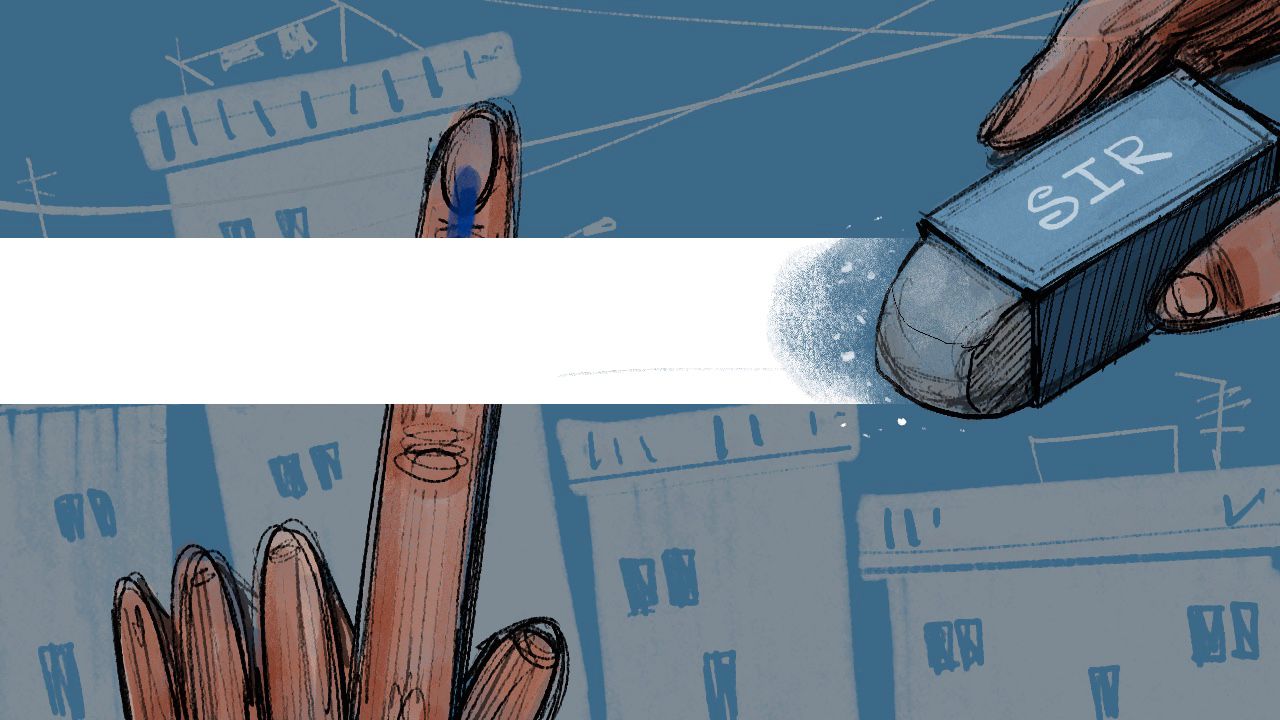
Phase I of the SIR, conducted in Bihar, was completed in September 2025. Phase II, completed in April 2026, covered nine States.

Synopsis: The Election Commission of India has announced the third phase of the Special Intensive Revision of electoral rolls across 16 States and three Union Territories, including Andhra Pradesh, Karnataka and Telangana. The exercise will involve house-to-house verification of 36.73 crore electors by more than 3.94 lakh Booth Level Officers. Once Phase III is complete, the exercise will cover the entire country except Himachal Pradesh, Jammu and Kashmir and Ladakh.
The Election Commission of India on Thursday, 14 May announced the third phase of the Special Intensive Revision (SIR) of electoral rolls across 16 States and three Union Territories, including Andhra Pradesh, Karnataka and Telangana.
On 19 February, the poll body had asked 22 States and Union Territories to complete preparatory work ahead of the revision process.
Once this phase is complete, the SIR exercise will cover the entire country except Himachal Pradesh, Jammu and Kashmir and Ladakh, where schedules will be announced later.
Phase I, conducted in Bihar, was completed in September 2025. Phase II, completed in April 2026, covered nine States — Chhattisgarh, Goa, Gujarat, Kerala, Madhya Pradesh, Rajasthan, Tamil Nadu, Uttar Pradesh and West Bengal — along with the Union Territories of Andaman and Nicobar Islands, Lakshadweep and Puducherry.
During Phase III, the ECI said more than 3.94 lakh Booth Level Officers (BLOs) will carry out house-to-house verification for 36.73 crore electors. Another 3.42 lakh Booth Level Agents (BLAs), appointed by political parties, will assist during the enumeration phase.
The poll body urged political parties to appoint BLAs for every polling booth to ensure “complete transparency and full participation”.
Also Read: Data shows SIR helped BJP win West Bengal
In southern India, Phase III will cover Andhra Pradesh, Telangana and Karnataka.
For Andhra Pradesh, the qualifying date for the revision is 1 July 2026. Preparation, training and printing activities will take place from 5 June to 14 June, followed by house-to-house visits by Booth Level Officers from 15 June to 14 July. Rationalisation of polling stations is to be completed by 14 July.
The draft electoral roll will be published on 21 July. Claims and objections can be filed from 21 July to 20 August, while their disposal will continue until 18 September. The final electoral roll will be published on 22 September.
In Telangana, the qualifying date is 1 October 2026. Preparation, training and printing are scheduled from 15 June to 24 June, while house-to-house verification by BLOs will take place from 25 June to 24 July. Rationalisation of polling stations is to be completed by 24 July.
The draft electoral roll will be published on 31 July. Claims and objections can be filed from 31 July to 30 August, while their disposal will continue until 28 September. The final electoral roll will be issued on 1 October.
Karnataka will follow a similar timeline. The qualifying date is 1 October 2026. Preparation, training and printing activities will be conducted from 20 June to 29 June, followed by house-to-house visits from 30 June to 29 July. Polling station rationalisation is to be completed by 29 July.
The draft electoral roll will be published on 5 August. Claims and objections can be filed from 5 August to 4 September, while their disposal will continue until 3 October. The final electoral roll will be published on 7 October.
Also Read: As Karnataka maps voters ahead of SIR, vulnerable groups fear being left out
In northern India, Phase III will cover Uttarakhand, Haryana, Chandigarh, Punjab, Maharashtra, Jharkhand, the National Capital Territory of Delhi, and the Union Territories of Dadra and Nagar Haveli and Daman and Diu.
For Uttarakhand, the qualifying date is 1 July 2026. Preparation, training and printing activities will take place from 29 May to 7 June, followed by house-to-house visits by Booth Level Officers from 8 June to 7 July. Rationalisation of polling stations is to be completed by 7 July.
The draft electoral roll will be published on 14 July. Claims and objections can be filed from 14 July to 13 August, while their disposal will continue until 11 September. The final electoral roll will be published on 15 September.
Haryana and Chandigarh will follow the same schedule. In both territories, the qualifying date is 1 July 2026. Preparation, training and printing are scheduled from 5 June to 14 June, while house-to-house visits by BLOs will be conducted from 15 June to 14 July. Polling station rationalisation is to be completed by 14 July.
Draft electoral rolls will be published on 21 July. Claims and objections can be filed from 21 July to 20 August, while their disposal will continue until 18 September. Final electoral rolls will be published on 22 September.
Punjab’s qualifying date is 1 October 2026. Preparation, training and printing activities will take place from 15 June to 24 June, followed by house-to-house visits from 25 June to 24 July. Rationalisation of polling stations is to be completed by 24 July.
The draft electoral roll will be published on 31 July. Claims and objections can be filed from 31 July to 30 August, while their disposal will continue until 28 September. The final electoral roll will be published on 1 October.
Maharashtra, Jharkhand and National Capital Territory of Delhi will follow a common schedule. The qualifying date for all three is 1 October 2026. Preparation, training and printing activities are scheduled from 20 June to 29 June, while house-to-house verification by BLOs will be carried out from 30 June to 29 July. Polling station rationalisation is to be completed by 29 July.
Draft electoral rolls will be published on 5 August. Claims and objections can be filed from 5 August to 4 September, while their disposal will continue until 3 October. Final electoral rolls will be published on 7 October.
For Dadra and Nagar Haveli and Daman and Diu, the qualifying date is 1 July 2026. Preparation, training and printing activities are scheduled from 25 May to 3 June. House-to-house visits by BLOs will take place from 4 June to 3 July, and polling station rationalisation is to be completed by 3 July.
The draft electoral roll will be published on 10 July. Claims and objections can be filed from 10 July to 9 August, while their disposal will continue until 7 September. The final electoral roll will be published on 11 September.
Also Read: SIR and denying the citizenship rights of minorities
In the north-eastern region, Phase III will cover Odisha, Mizoram, Sikkim, Manipur, Arunachal Pradesh, Meghalaya, Nagaland and Tripura.
Odisha, Mizoram, Sikkim and Manipur will follow the same schedule, with a qualifying date of 1 July 2026. Preparation, training and printing activities are scheduled from 20 May to 29 May, while house-to-house visits by Booth Level Officers will take place from 30 May to 28 June. Rationalisation of polling stations is to be completed by 28 June.
Draft electoral rolls will be published on 5 July. Claims and objections can be filed from 5 July to 4 August, while their disposal will continue until 2 September. Final electoral rolls will be published on 6 September.
For Arunachal Pradesh, the qualifying date is 1 July 2026. Preparation, training and printing activities will take place from 5 June to 14 June, followed by house-to-house visits from 15 June to 14 July. Polling station rationalisation is to be completed by 14 July.
The draft electoral roll will be published on 21 July. Claims and objections can be filed from 21 July to 20 August, while their disposal will continue until 18 September. The final electoral roll will be published on 22 September.
Meghalaya’s qualifying date is 1 October 2026. Preparation, training and printing are scheduled from 20 June to 29 June. House-to-house verification by BLOs will be carried out from 30 June to 29 July, while polling station rationalisation is to be completed by 29 July.
The draft electoral roll will be published on 5 August. Claims and objections can be filed from 5 August to 4 September, while their disposal will continue until 3 October. The final electoral roll will be published on 7 October.
Nagaland will follow a later schedule. The qualifying date is 1 October 2026. Preparation, training and printing activities are scheduled from 5 August to 14 August, while house-to-house visits by BLOs will be conducted from 16 August to 14 September. Rationalisation of polling stations is to be completed by 14 September.
The draft electoral roll will be published on 20 September. Claims and objections can be filed from 20 September to 20 October, while their disposal will continue until 18 November. The final electoral roll will be published on 22 November.
Tripura has the latest schedule among the States in this phase. The qualifying date is 1 October 2026. Preparation, training and printing activities will take place from 5 September to 14 September, followed by house-to-house visits from 15 September to 14 October. Polling station rationalisation is to be completed by 14 October.
The draft electoral roll will be published on 21 October. Claims and objections can be filed from 21 October to 20 November, while their disposal will continue until 19 December. The final electoral roll will be published on 23 December.
(Edited by Dese Gowda)



