

Published Nov 16, 2026 | 3:52 PM ⚊ Updated Nov 16, 2026 | 3:52 PM

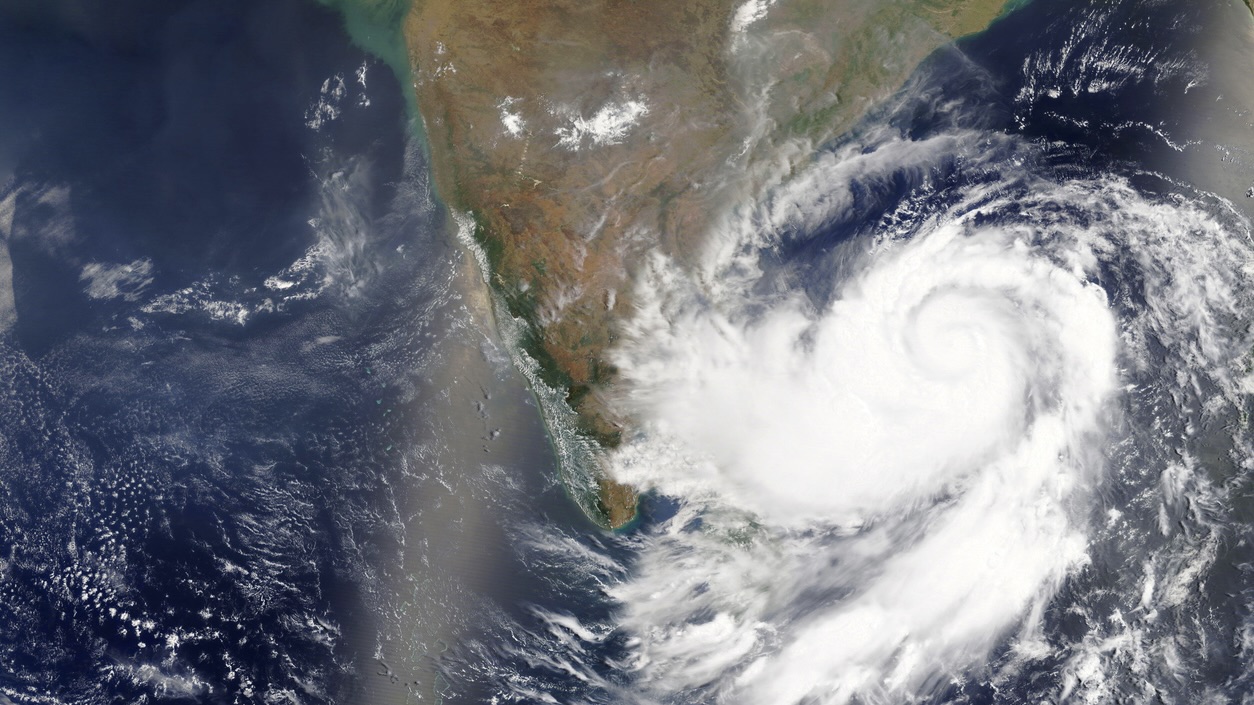
Andhra Pradesh is facing the threat of a third cyclone in one month.

Synopsis: The screening, carried out at the behest of Andhra Pradesh Chief Minister N Chandrababu Naidu, detected health issues among students. Apart from skin diseases and anaemia, medical teams identified 961 children with respiratory illnesses, 85 with diarrhoeal diseases, 14 with malaria and eight with typhoid. No dengue cases were detected during the screening.
The Health Department has screened government-run welfare hostels across Andhra Pradesh after two back-to-back cyclones battered the state within a week.
On 28 October, Cyclone Arnab crossed the Andhra Pradesh coast as a very severe cyclonic storm, followed by Cyclone Murasu, which made landfall on the same coast on 3 November. A third, Cyclone Akvan, is expected to cross the Andhra and Yanam coasts on 20 November.
The special health screening of 2,148 hostels conducted between 1 and 13 November detected skin diseases in 4,436 children and anaemia in 3,218 others.
Apart from skin diseases and anaemia, medical teams identified 961 children with respiratory illnesses, 85 with diarrhoeal diseases, 14 with malaria and eight with typhoid. No dengue cases were detected during the screening.
According to a report submitted to Health Minister Satyakumar Yadav on Monday, 16 November, skin diseases affected 1.67% of the children screened, while anaemia affected 1.21%. Dental problems were identified in 2,750 children (1.03%), while another 1,842 children (0.69%) had other health conditions.
Medical teams comprising doctors and paramedical staff from the primary health centres (PHCs) serving the respective hostels conducted the examinations. Children requiring treatment received medical attention at the hostels, while others received follow-up treatment.
Also Read: Health surveillance beefed up after 71 girls develop fever after cyclones
The district-wise findings highlighted variations in the health problems identified among hostel residents.
In Kakinada district, 15,165 students were screened, with skin diseases, dental problems and anaemia among the conditions identified. In Eluru, where 14,918 children underwent screening, respiratory illnesses, skin diseases and other health problems were reported.
Anakapalli district screened 11,030 students, with skin diseases emerging as a prominent concern.
In Polavaram district, teams examined 27,281 students. Medical teams detected skin and dental problems, besides cases of malaria and typhoid. In Alluri Sitarama Raju district, 10,691 children were screened, with skin and dental conditions, malaria and diarrhoeal diseases reported.
The respective PHC doctors are treating students who need medical intervention, the report said.
Also Read: Third cyclone in less than a month threatens Andhra coast
In addition to screening students for diseases, medical teams inspected drinking water quality, sanitation, personal hygiene, food safety, and the general conditions of hostel premises to assess the risk of infectious disease transmission.
The report found that sanitation conditions were satisfactory in 1,706 of the 2,148 hostels, while 442 required improvements.
Toilet maintenance was satisfactory in 1,238 hostels, while 896 needed improvements. Fourteen hostels either lacked toilets or needed repairs to existing facilities.
The report recommended regular testing of drinking water, adequate chlorination and continuous monitoring of water supply. It also called for improved toilet and handwashing facilities, better kitchen hygiene, safe food storage and preparation practices, and measures to eliminate mosquito breeding sites.
“Suspected disease cases, or an unusual increase in the number of cases, should be immediately brought to the attention of the concerned authorities to prevent the spread of diseases,” the report stated.
The officials also recommended continuous disease surveillance in hostels, along with stricter implementation of sanitation and hygiene measures.
The Health and Family Welfare Commissioner, KVN Chakradhar Babu, and the Director of Public Health, R Venkataramana, submitted the findings to the Health Minister.
(Edited by Majnu Babu).



