

Published Nov 04, 2026 | 8:50 PM ⚊ Updated Nov 04, 2026 | 8:51 PM

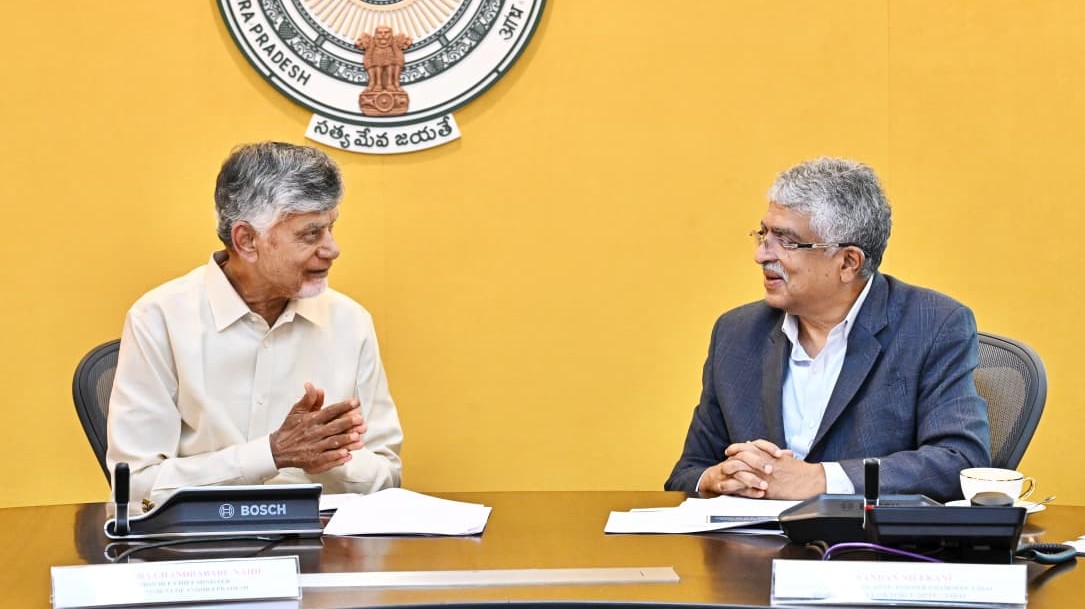
Chief Minister N Chandrababu Naidu with Examination Reforms High-Powered Task Force Chairman Nandan Nilekani in Amaravati on Wednesday.

Synopsis: The Nandan Nilekani-led Examination Reforms High-Powered Task Force visited Andhra Pradesh to draft recommendations to improve the country’s examination system. The central government constituted the task force after the NEET fiasco, which sparked a massive youth agitation and led to the resignation of then Union education minister Dharmendra Pradhan in July. Nilekani said the task force is visiting various states to gather information on the policies being implemented, the challenges being faced and the reforms required in the examination system.
Andhra Pradesh Chief Minister N Chandrababu Naidu on Wednesday, 4 November, called for national examination reforms that account for India’s diversity of states, languages, and educational backgrounds.
He stressed the need to build a transparent, credible national examination system through consensus, taking into account the views of all states. The chief minister said the reforms should ensure equal opportunities for every student, regardless of their region or the language they speak.
Members of the Examination Reforms High-Powered Task Force, led by its Chairman Nandan Nilekani, met the Chief Minister at the Secretariat on Wednesday. Minister Nara Lokesh welcomed Nandan Nilekani upon his arrival at the Secretariat.
The central government constituted the task force after the NEET fiasco, which sparked a massive youth agitation and led to the resignation of then Union education minister Dharmendra Pradhan in July. Unable to stand the stress, more than 20 NEET aspirants had died by suicide over the years.
During the meeting, the chief minister said the examination system should be designed around the thoughts, aspirations, and expectations of the present generation. He emphasised that education should not be limited to examinations and marks, but should also focus on developing students’ skills, creativity and critical thinking abilities.
Also Read: Modi blinks as Dharmendra Pradhan resigns
Lokesh explained the policies being implemented in Andhra Pradesh and the use of technology in governance and education. He suggested that the examination system should be designed to reduce stress on students. He emphasised the need for national-level coordination to ensure that students do not face difficulties related to language, educational systems or certifications when moving from one state to another for education or employment. He explained that Andhra Pradesh is developing a system to integrate information from various sectors through a Data Lake, enabling better decision-making.
Nilekani said the task force was focusing on preventing question paper leaks, effectively utilising technology, strengthening cybersecurity systems and enhancing digital forensics capabilities in the conduct of examinations. He said the task force was visiting various states to gather information on the policies being implemented, the challenges being faced and the reforms required in the examination system.
Nilekani expressed interest in the policies and initiatives being implemented by Andhra Pradesh and discussed the state’s approaches to technology-driven governance and examination reforms.
(Edited by Majnu Babu).



