

Published Nov 25, 2026 | 11:10 PM ⚊ Updated Nov 25, 2026 | 11:10 PM

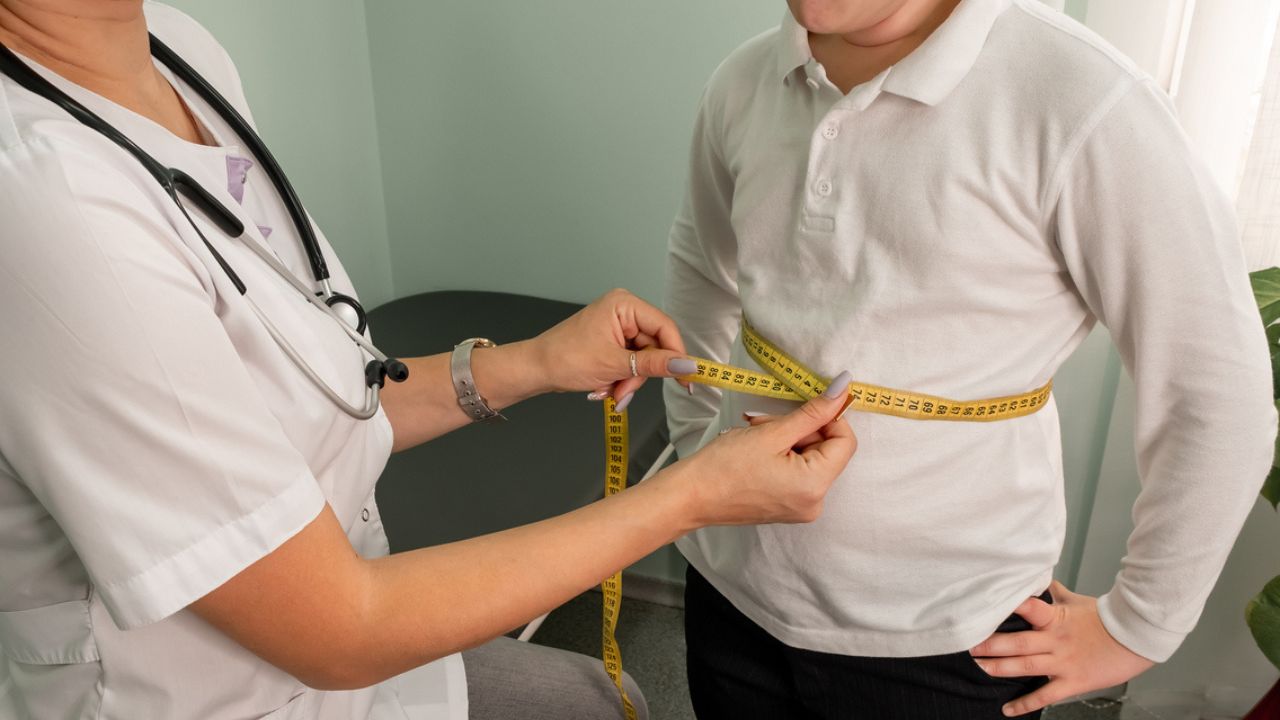
The expanded programme will assess adults for obesity and identify people who may be at risk of fatty liver disease.

Andhra Pradesh is expanding its annual screening programme for non-communicable diseases (NCDs), adding obesity, fatty liver disease, chronic respiratory conditions and mental health problems.
The state will screen adults aged 18 and above for nine conditions in 2026–27, continuing existing checks for hypertension, diabetes, and oral, breast, and cervical cancers. Health Minister Satya Kumar Yadav announced the expansion on 24 November and directed officials to prepare for the launch once the online platform is ready.
The programme will also introduce facial recognition-based registration instead of the OTP-based system used last year. Screening records will be linked to ABHA IDs, with details of suspected cases, referrals, diagnosis, treatment and follow-up entered digitally.
The government plans to deploy 750 iBreast devices at selected village health centres to screen 10 lakh women for breast cancer. The devices will conduct radiation-free examinations. Women with suspicious results will undergo further assessment by trained doctors and be referred for additional care where necessary.
The expanded programme will assess adults for obesity and identify people who may be at risk of fatty liver disease. The government cited NFHS data showing that the proportion of women who are overweight increased from 36.3% to 47.9%, while the proportion among men rose from 31.3% to 41.5%.
People with obesity, hypertension, diabetes or thyroid disorders will be assessed for fatty liver disease risk. The programme will also screen people for chronic respiratory conditions associated with tobacco smoke, indoor and outdoor air pollution, and occupational dust exposure.
Primary health centre medical officers will conduct initial assessments and provide treatment. People requiring further investigation will be referred to regional or district hospitals, where spirometers will be available to assess lung function.
Mental health screening will cover symptoms of depression, anxiety, memory problems and psychosis through a community-based assessment questionnaire. Those identified as potentially at risk will receive an initial telephone assessment through Tele-MANAS. People requiring further evaluation will be referred through the District Mental Health Programme. Tele-MANAS services are available at 14416.
The state will use facial recognition to register people undergoing screening and biometric verification for confirmation. Their health records will be linked to ABHA IDs.
The digital system will track screening, diagnosis, treatment initiation and follow-up. It will also monitor suspected cases referred to hospitals and details such as chemotherapy stages for cancer patients.
Officials will record information through applications used by auxiliary nurse midwives and community health officers, as well as relevant portals. District and state authorities will monitor the data.
Also Read: Coast Guard, Navy search for seven Andhra fishermen missing off Odisha coast since 19 November
The government plans to strengthen 17 cancer prevention and screening centres at government medical college hospitals. Special outpatient services under OP number 222 will operate every Tuesday and Thursday for people suspected of having cancer, offering examination, diagnosis and specialist consultations.
The state will link these centres with 23 day-care chemotherapy centres to support patients who have started treatment. In areas without government medical college hospital facilities, cancer diagnosis services will initially be strengthened in nine district hospitals.
The programme will also identify older people who are bedridden or unable to perform daily activities, stroke survivors and patients with advanced cancer. Health workers will visit their homes to assess their condition, pain and other symptoms, and arrange palliative care where required. Families will receive guidance on caregiving, hygiene, nutrition, mobility and recognising symptoms.
The state will train field-level medical and health workers to conduct the expanded screening. It will also work with rural and urban poverty alleviation organisations and women’s self-help groups to improve participation.
The government is piloting this approach in Bollapadu village in Krishna district and Rayapadu village in NTR district. Medical staff, ASHA workers and Nura Health teams will conduct awareness meetings, while digital teams will send reminders about medicines and follow-up examinations.
(With inputs from Sumit Jha. Edited by Fayisa CA)



