

Published Mar 27, 2026 | 12:56 PM ⚊ Updated Mar 27, 2026 | 12:56 PM

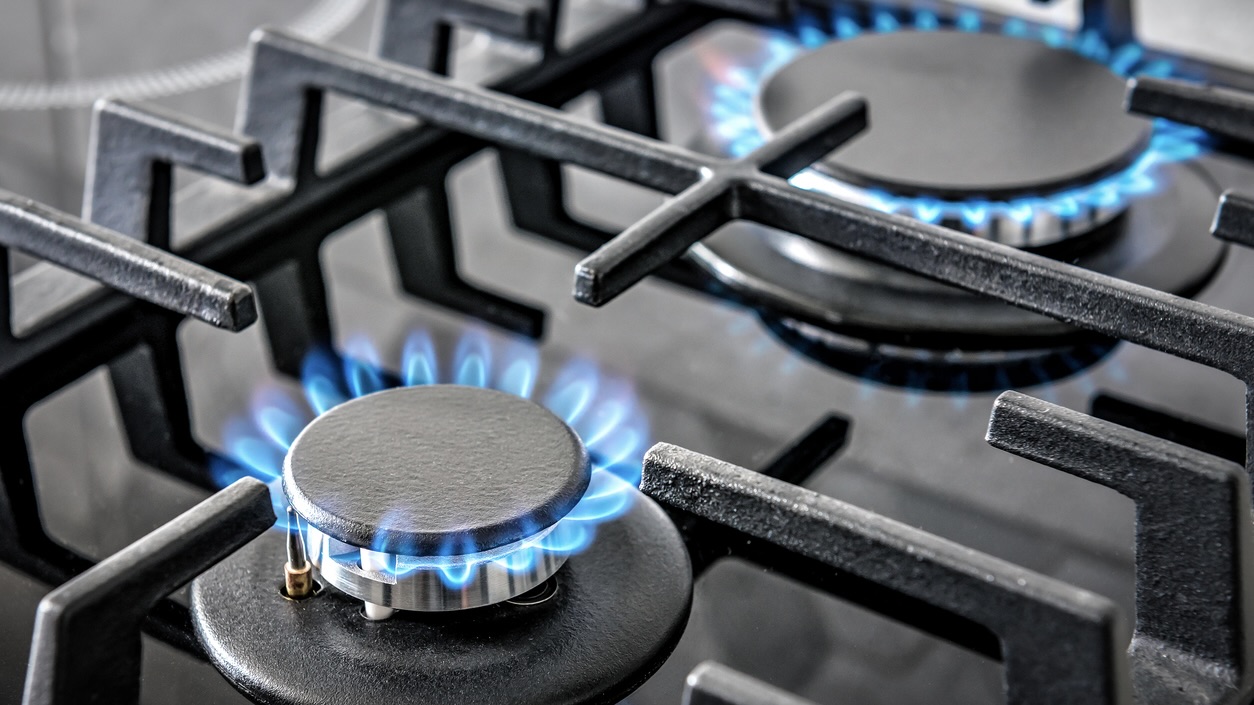
A typical LPG cylinder costs around ₹900–₹1,000, while PNG for similar usage is cheaper by ₹100–₹200.
Synopsis: The Andhra Pradesh Government has announced subsidies to encourage households to shift from LPG to piped natural gas amid an ongoing shortage. The Cabinet has set an ambitious target of 10 lakh new PNG connections and is also expanding renewable energy projects and manufacturing to support a longer-term transition to cleaner energy.
The Andhra Pradesh Government has decided to extend subsidy benefits to Deepam-II beneficiaries who switch from Liquefied Petroleum Gas (LPG) cylinders to Piped Natural Gas (PNG).
The decision, taken at a cabinet meeting on Thursday, 26 March, follows amid the continued LPG shortage across the country.
Unlike LPG, PNG is supplied directly to households via pipelines. It emits significantly fewer toxic and greenhouse gases, is lighter than air and therefore disperses safely if it leaks, and is billed according to actual usage, eliminating the need for advance booking.
Beneficiaries will receive a subsidy once every two months, amounting to ₹2,400 annually, credited directly to their bank accounts.
In addition, those who opt for PNG will get a ₹500 subsidy from the Centre.
The State has around 94 lakh LPG consumers, and the government plans to push six gas distribution companies to ramp up PNG infrastructure.
Civil Supplies Minister Nadendla Manohar said the government plans to roll out 10 lakh PNG connections across Vijayawada, Guntur, Nellore, Kakinada, Visakhapatnam, Kurnool and Tirupati.
The objective is to reduce dependence on LPG and speed up the shift to cleaner fuels. He said households that switch to PNG could cut fuel costs by nearly 30 percent.
The government aims to release at least one lakh connections within the next month.
Priority will go to apartments, industrial units and commercial establishments. Major temples in the State will also be encouraged to adopt PNG. Connections are expected within 24 hours of application.
Chief Minister N Chandrababu Naidu has been strongly advocating this shift. Earlier this week, he said moving to PNG and electric cooking is the most viable response to LPG supply constraints, and directed officials to prepare a roadmap to extend PNG access to every household.
Current figures show the gap. Infrastructure exists for over 2.3 lakh connections, but only around 60,000 consumers have opted in so far.
The government now aims to close this gap, directing districts to add at least 10,000 connections each.
Even without subsidies, PNG is relatively economical. A typical LPG cylinder costs around ₹900–₹1,000, while PNG for similar usage is cheaper by ₹100–₹200.
With subsidies, savings increase further for Deepam beneficiaries. Added to this is the convenience—no lifting cylinders or waiting for deliveries.
At the same time, the government is continuing efforts to stabilise LPG supply. Essential services such as hospitals, schools, anganwadis, Anna canteens and government hostels are being prioritised.
Officials said about 1.8 lakh cylinders are supplied daily, with buffer stocks maintained.
The Cabinet has also decided to prioritise renewable energy projects. NREDCAP has been designated the nodal agency for Renewable Energy Manufacturing Zones, replacing APSPCL to speed up implementation.
A major manufacturing hub is planned in Prakasam district over nearly 1,000 acres, focused on solar panels, batteries and wind energy equipment.
Large-scale solar parks are also planned in Kadapa and Kurnool. Renewable projects by companies such as Suzlon and Axis Energy have been given extensions to align with transmission infrastructure.
If these plans materialise, households may shift away from cylinder dependence to a more reliable and cleaner cooking option.
(Edited by Dese Gowda)


