

Published Aug 06, 2026 | 7:54 PM ⚊ Updated Aug 06, 2026 | 7:54 PM

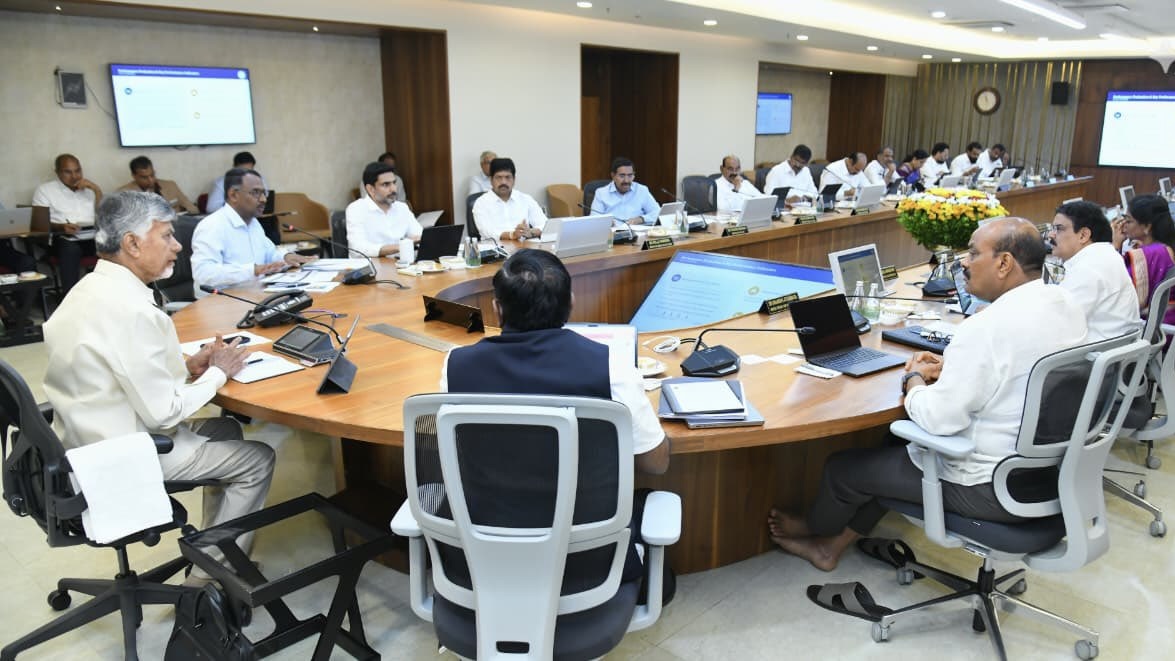
Chief Minister N Chandrababu Naidu has directed that the needs of persons with disabilities be incorporated into all future road designs.

Synopsis: The Andhra Pradesh Cabinet has approved the operational guidelines for the Pedestrian Safety and Universal Accessibility Policy 2026, requiring future road infrastructure to prioritise safe, accessible and obstacle-free footpaths. The government aims to ensure all future road designs will follow universal accessibility principles, including the needs of persons with disabilities, with the aim of eliminating pedestrian deaths.
The Andhra Pradesh Cabinet on Thursday, 6 August, approved the operational guidelines for the Pedestrian Safety and Universal Accessibility Policy 2026, aimed at eliminating pedestrian deaths by requiring all future road infrastructure to prioritise safe, accessible and obstacle-free footpaths.
Minister Kolusu Parthasarathy said municipal authorities, revenue officials and the police had been directed to work jointly to develop hurdle-free footpaths across the state.
“Until now, roads and highways have largely been designed around vehicles. Under this policy, footpaths and crossings will follow a universal design approach, with road safety measures planned by taking pedestrians’ needs into consideration,” the minister said.
He added that Chief Minister N Chandrababu Naidu, while approving the proposal, directed that the needs of persons with disabilities be incorporated into all future road designs. The government’s stated objective, he added, is to reduce pedestrian fatalities in Andhra Pradesh to zero.
Also Read: Fact check: Is PM Modi right? Did India name all its airports after one family before 2014?
The Cabinet’s decision comes after recent Supreme Court rulings affirming pedestrians’ rights and calling for a nationwide policy framework on pedestrian safety.
On 19 June, the court recognised the right to walk on safe, demarcated footpaths as a fundamental right under Articles 19(1)(d) and 21 of the Constitution. On 3 August, it instructed the Union government to ensure properly demarcated, encroachment-free space for pedestrians on every road in the country.
“Wherever there is a road, there should be a walkers’ space,” the bench said.
(Edited by Dese Gowda with inputs from Sreshta Ladegaam)



